

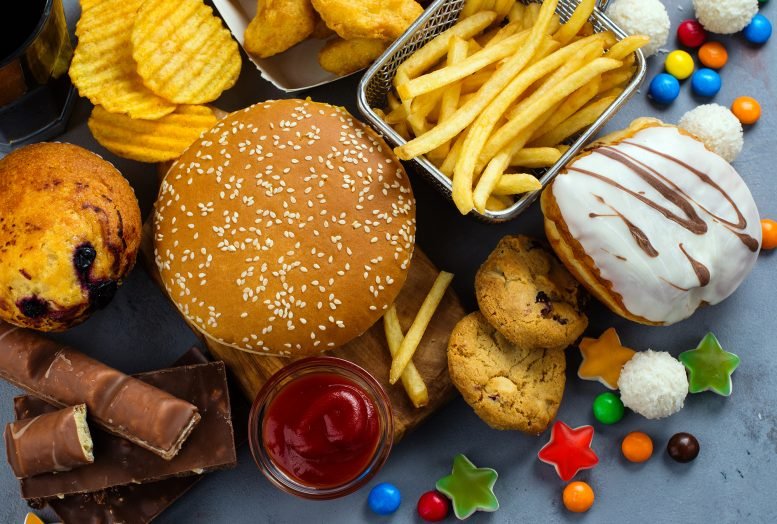
New Delhi, 03 August 2025: Ultra-processed foods (UPFs) — including sugary snacks, packaged meals, sodas, and processed meats — are now a dominant part of the modern diet. While their impact on obesity, heart disease, and diabetes is well-documented, emerging research now links excessive consumption of these foods to a significantly increased risk of certain cancers — especially lung cancer. A recent large-scale study reveals that high intake of ultra-processed foods may be associated with a 41% greater risk of developing lung cancer, sending shockwaves through the medical and nutritional communities.
Let’s explore what this means, how UPFs harm your health, and what dietary choices could protect your lungs and overall well-being.
What Are Ultra-Processed Foods?
Ultra-processed foods are industrially manufactured products that go through multiple processing steps and often contain added sugars, refined carbohydrates, unhealthy fats, artificial flavors, preservatives, colorants, and emulsifiers. Common examples include:
- Instant noodles
- Soft drinks and energy drinks
- Packaged snacks like chips and biscuits
- Frozen ready-to-eat meals
- Sweetened breakfast cereals
- Reconstituted meat products like nuggets or sausages
These foods are designed to be hyper-palatable, convenient, and long-lasting — but often come at the cost of real nutrition.
New Research: 41% Increase in Lung Cancer Risk
A recent meta-analysis of over 200,000 individuals examined the link between diet and cancer risk, focusing on the role of ultra-processed foods. The researchers found that individuals in the highest quintile of UPF consumption had a 41% higher chance of developing lung cancer, even when accounting for other major risk factors like smoking, age, and pre-existing health conditions.
The study highlights the possibility that harmful compounds generated during industrial processing — such as acrylamides, nitrates, and emulsifiers — may be carcinogenic or contribute to cellular inflammation and DNA damage in the lungs.
Why Are Ultra-Processed Foods So Dangerous?
Several biological mechanisms may explain the cancer risk associated with UPFs:
1. Inflammation and Oxidative Stress
Ultra-processed foods are low in antioxidants and high in refined sugars and unhealthy fats, which can cause chronic inflammation and oxidative stress. These conditions are known to trigger mutations and damage in lung tissue, creating a favorable environment for cancer cells to thrive.
2. Endocrine Disruption
UPFs often contain endocrine-disrupting chemicals like bisphenol-A (BPA) from packaging or emulsifiers that interfere with hormone function. These disruptions can alter cell behavior and promote tumor growth.
3. Poor Nutrient Profile
Diets high in ultra-processed foods are deficient in vital nutrients — such as fiber, vitamins A, C, and E, and phytochemicals — that help neutralize carcinogens and support immune health.
4. Weight Gain and Obesity
Obesity is a well-known risk factor for multiple cancers, including lung cancer in non-smokers. UPFs contribute to rapid weight gain and metabolic disturbances, such as insulin resistance, which in turn can fuel tumor growth.
Lung Cancer Isn’t Just a Smoker’s Disease
It’s a common misconception that lung cancer only affects smokers. While smoking remains the leading cause, up to 20% of lung cancer cases occur in non-smokers — and diet could be playing a significant role here.
Air pollution, occupational hazards, genetic predisposition, and now poor dietary patterns are recognized as key contributors to lung cancer development in people who have never smoked. This study underscores that even if you don’t smoke, a diet loaded with processed foods could put your lungs at serious risk.
How Much Ultra-Processed Food Is Too Much?
Most dietary experts recommend that less than 20% of your daily caloric intake should come from ultra-processed sources. However, studies show that in many Western countries, more than 50% of daily calories now come from UPFs — a deeply concerning trend.
If you regularly consume packaged snacks, sugary drinks, or frozen meals, you might be eating well above this threshold without even realizing it.
How to Protect Your Lung Health Through Diet
1. Switch to Whole Foods
Prioritize natural, minimally processed foods like fruits, vegetables, whole grains, legumes, nuts, and seeds. These are rich in fiber, antioxidants, and phytochemicals that combat inflammation and oxidative stress.
2. Cook at Home
Preparing meals at home helps you control ingredients and avoid harmful additives. Even simple dishes like lentils, stir-fried veggies, or grilled fish can provide much more nutrition than anything store-bought.
3. Read Food Labels
Be aware of what you’re eating. Avoid foods with long ingredient lists that include unrecognizable chemicals, high levels of sodium, added sugars, or hydrogenated oils.
4. Limit Red and Processed Meats
Cold cuts, bacon, and sausages often contain nitrates and other preservatives linked to cancer. Choose lean meats or plant-based alternatives instead.
5. Stay Hydrated Naturally
Replace sodas and flavored drinks with water, coconut water, or herbal teas that hydrate and detoxify without sugar overload.
What Experts Recommend
Nutritionists and oncologists alike emphasize the importance of anti-inflammatory diets like the Mediterranean or plant-based diet, which are high in fresh produce, olive oil, whole grains, and lean protein. These diets are linked not only to better cardiovascular and metabolic health but also to lower cancer incidence, including lung cancer.
A 2023 review in the Journal of Cancer Prevention suggested that even small dietary changes — like reducing soft drink intake or replacing processed snacks with nuts — can reduce cancer risk over time.
Rethink What’s on Your Plate
The link between ultra-processed foods and a 41% increase in lung cancer risk is a wake-up call. While smoking and environmental toxins remain major concerns, your diet is a modifiable factor you can control every single day.
Avoiding ultra-processed foods is not about following extreme rules but about making consistent, mindful choices that support long-term lung health. Swap the chips for roasted chickpeas, trade soda for lemon water, and make room for whole foods that nourish, not harm.
In the battle against cancer, what you eat could be one of your most powerful weapons.











Leave a comment