

New Delhi, 21 July 2025: With the arrival of the monsoon and rain forecast intensifying across Telangana, health authorities have released a cautionary advisory warning the public about the potential spike in seasonal illnesses. Waterborne and vector-borne diseases such as typhoid, cholera, dengue, malaria, and viral flu tend to become more prevalent during and after periods of heavy rainfall. The state health department has outlined measures to contain and prevent the spread of infections, while urging citizens to remain vigilant and proactive in protecting their health during this high-risk period.
Why Rainy Season Triggers Illness
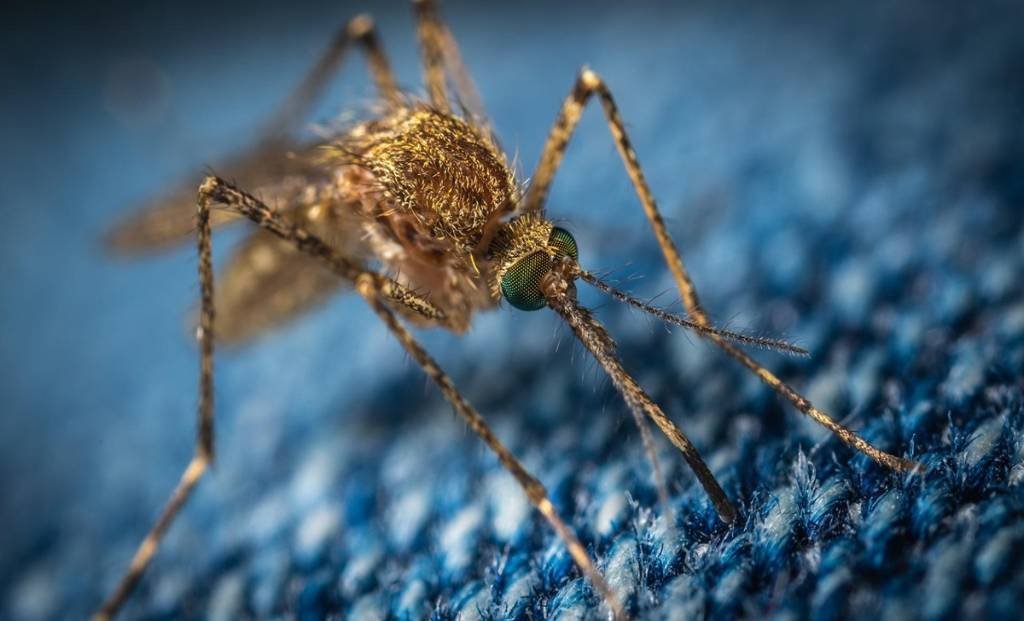
The rains bring welcome relief from the intense summer heat but also create ideal conditions for the spread of several infectious diseases. Stagnant water from blocked drains, potholes, and overflowing garbage dumps become breeding grounds for mosquitoes, increasing the risk of vector-borne diseases like dengue, chikungunya, and malaria. In parallel, poor sanitation and contaminated drinking water give rise to gastrointestinal infections such as typhoid, hepatitis A, and diarrhea. The damp, humid environment also facilitates the spread of airborne viruses, especially influenza and upper respiratory infections. Health officials say this convergence of risk factors makes it imperative to take timely preventive action.
Symptoms to Watch Out For
People have been advised to keep an eye out for early warning signs of common monsoon-related diseases. Symptoms such as high fever, chills, body aches, rashes, nausea, vomiting, loose stools, persistent cough, sore throat, shortness of breath, fatigue, or jaundice should not be ignored. These could point to infections like typhoid, dengue, leptospirosis, viral fever, or hepatitis. Officials warn against self-medication and urge individuals to seek prompt medical attention in case of persistent symptoms. Ignoring early signs may lead to complications, especially in children, pregnant women, and the elderly, who are more vulnerable to infections.
Government’s Preventive Measures and Emergency Preparedness
Health teams across urban and rural areas have been mobilized to monitor outbreaks, strengthen surveillance, and respond swiftly to any clusters of seasonal illnesses. Vector control measures such as fogging, larvicide spraying, and cleanup drives are being ramped up in mosquito-prone zones. Public health centers and hospitals have been instructed to stock essential medicines, IV fluids, and diagnostic kits to handle any surge in patient load. Special attention is being given to low-lying areas, slums, and flood-affected zones where sanitation and hygiene conditions are poor. Awareness campaigns are also being run in schools, bus stands, and community centers to educate people about prevention, symptoms, and when to consult a doctor.
Personal Hygiene and Safe Water Practices Are Crucial
The advisory emphasizes the importance of drinking only boiled or purified water during the rainy season. People are being advised to avoid consuming food from roadside stalls or eating cut fruits and uncovered items that are easily contaminated by flies. Hand hygiene plays a vital role, and individuals should wash their hands with soap before eating or cooking and after using the toilet. The health department has also urged citizens to dispose of waste responsibly, keep their surroundings dry, and wear full-sleeved clothes to protect against mosquito bites.
Children and the Elderly Need Extra Care
With schools reopening and increased mobility, the risk of transmission in children rises during the monsoon. Parents have been advised to keep children at home if they are unwell and to ensure they follow proper hygiene habits. The elderly, due to their reduced immunity, may develop more serious complications from infections like flu, pneumonia, or even waterborne diseases. Health workers are being instructed to regularly check on older adults in vulnerable communities to ensure early detection and timely intervention.
Vaccinations and Immunity Boosting
The public is also being encouraged to stay up to date with routine immunizations. Vaccines for typhoid, hepatitis A, and influenza are available and offer additional protection during the monsoon season. Health experts recommend eating immunity-boosting foods such as seasonal fruits, green leafy vegetables, turmeric, ginger, and vitamin-C-rich items. Adequate hydration, rest, and avoiding overcrowded places can further help reduce the chances of catching infections.
Watch Out for Misinformation and Delay in Treatment
Officials have cautioned the public against spreading misinformation related to diseases or relying on unverified home remedies for serious symptoms. A delay in seeking medical care can result in worsening of conditions such as dengue hemorrhagic fever or acute gastroenteritis. Citizens are being urged to visit nearby primary health centers or government hospitals for free treatment and not to rely solely on over-the-counter medication without medical supervision.
Preparedness is the Key to Staying Safe
As Telangana prepares to navigate the challenges of monsoon-linked illnesses, public cooperation will play a pivotal role. The government can only do so much; the rest depends on timely awareness, hygiene practices, and health-seeking behavior among the people. With proactive steps and early medical intervention, most monsoon illnesses can be treated effectively without complications. Citizens are encouraged to report any outbreaks in their locality and participate in health campaigns to keep the community safe and healthy during the rainy season.













Leave a comment