

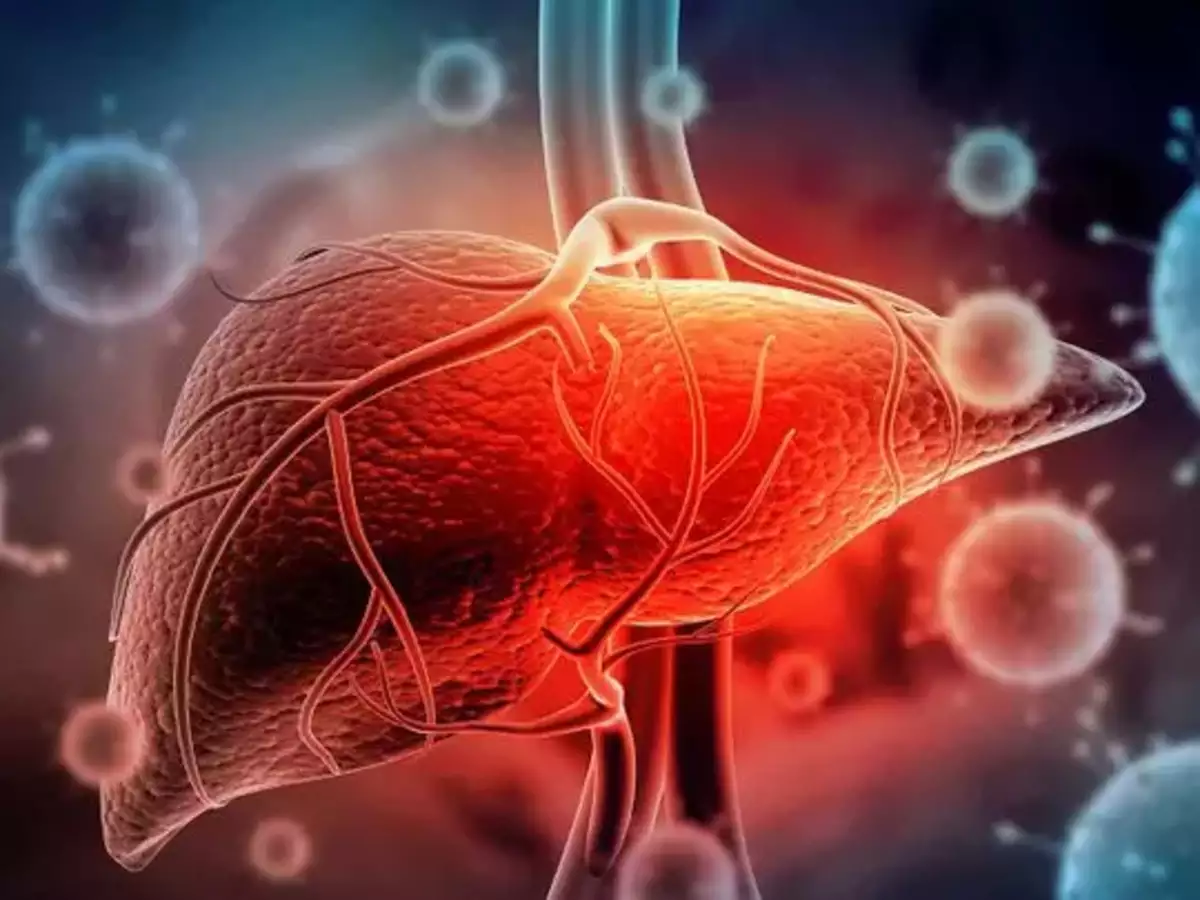
New Delhi, 11 May 2025: The liver is the largest organ in the body and when we talk about liver damage, the usual suspects that come to mind are sugar and alcohol. While both can wreak havoc on your liver if consumed excessively, there’s another silent offender that many people overlook — high fructose corn syrup (HFCS). This ultra-processed sweetener, commonly found in soft drinks, packaged snacks, and even “healthy” yogurts, could be more damaging to your liver than sugar and alcohol combined. Here’s why high fructose corn syrup may be the most dangerous item for your liver health — and how to protect yourself.
What Is High Fructose Corn Syrup?
High fructose corn syrup is a liquid sweetener made from cornstarch. It’s chemically similar to table sugar but cheaper and sweeter, which makes it a favorite among food manufacturers. HFCS is commonly found in sodas, fruit-flavored drinks, salad dressings, granola bars, and even ketchup. It contains both glucose and fructose, but it’s the excessive amount of fructose that’s particularly harmful to the liver.
Why Is High Fructose Corn Syrup So Harmful to the Liver?
Unlike glucose, which is metabolized by every cell in your body, fructose is almost entirely metabolized by your liver. When you consume large amounts of HFCS, your liver is forced to convert excess fructose into fat. Over time, this can lead to non-alcoholic fatty liver disease (NAFLD) — a condition that affects millions of people globally.
According to numerous studies, including research published in the Journal of Hepatology, excessive intake of fructose can trigger inflammation, insulin resistance, and fat accumulation in the liver, which are precursors to NAFLD. The damage occurs silently and progressively, often without any obvious symptoms until it’s too late.
How It Compares to Sugar and Alcohol
Sugar, particularly sucrose (table sugar), is made up of glucose and fructose in equal parts. While it’s also a concern, the amount of fructose in sugar is much lower than in HFCS-laden products like soft drinks. Moreover, when you consume sugar in whole fruits, the fiber slows down absorption and mitigates its impact on the liver.
Alcohol, on the other hand, is well-known for its liver-damaging effects. Chronic alcohol use can lead to alcoholic fatty liver, hepatitis, and eventually cirrhosis. However, unlike alcohol, HFCS doesn’t come with a warning label, and people often consume it without knowing — which makes it more dangerous in many ways.
In fact, experts are now calling NAFLD the most common chronic liver condition in the world, and its rise is closely linked to the increased consumption of processed foods rich in HFCS.
Warning Signs Your Liver Is in Trouble
Most people with early-stage fatty liver disease show no symptoms. However, some may notice:
- Persistent fatigue
- Unexplained weight gain, especially around the abdomen
- Right upper abdominal discomfort
- Elevated liver enzymes in blood tests
If left untreated, NAFLD can progress to non-alcoholic steatohepatitis (NASH), liver fibrosis, and eventually cirrhosis or liver failure.
How to Protect Your Liver
- Avoid Sugary Beverages: Soft drinks are the largest source of HFCS. Replace them with water, herbal teas, or infused water.
- Read Labels Carefully: Watch for hidden sources of HFCS in sauces, cereals, baked goods, and dressings.
- Choose Whole Foods: Eat fruits, vegetables, lean proteins, and whole grains. These are naturally low in sugar and support liver health.
- Exercise Regularly: Physical activity helps reduce liver fat and improves overall metabolic health.
- Get Routine Liver Checks: If you have risk factors like obesity, type 2 diabetes, or high cholesterol, ask your doctor to check your liver enzymes regularly.
While sugar and alcohol have long been criticized for their role in liver damage, high fructose corn syrup may be the most insidious threat of all. It’s hidden in everyday foods, metabolized directly by the liver, and can silently lead to chronic liver disease. Reducing your intake of HFCS — especially in sugary drinks and packaged foods — is one of the most powerful steps you can take to protect your liver and your overall health.
Don’t wait for warning signs to take your liver health seriously. Be proactive, make mindful food choices, and steer clear of the one item that could be more dangerous than sugar and alcohol combined.










Leave a comment