

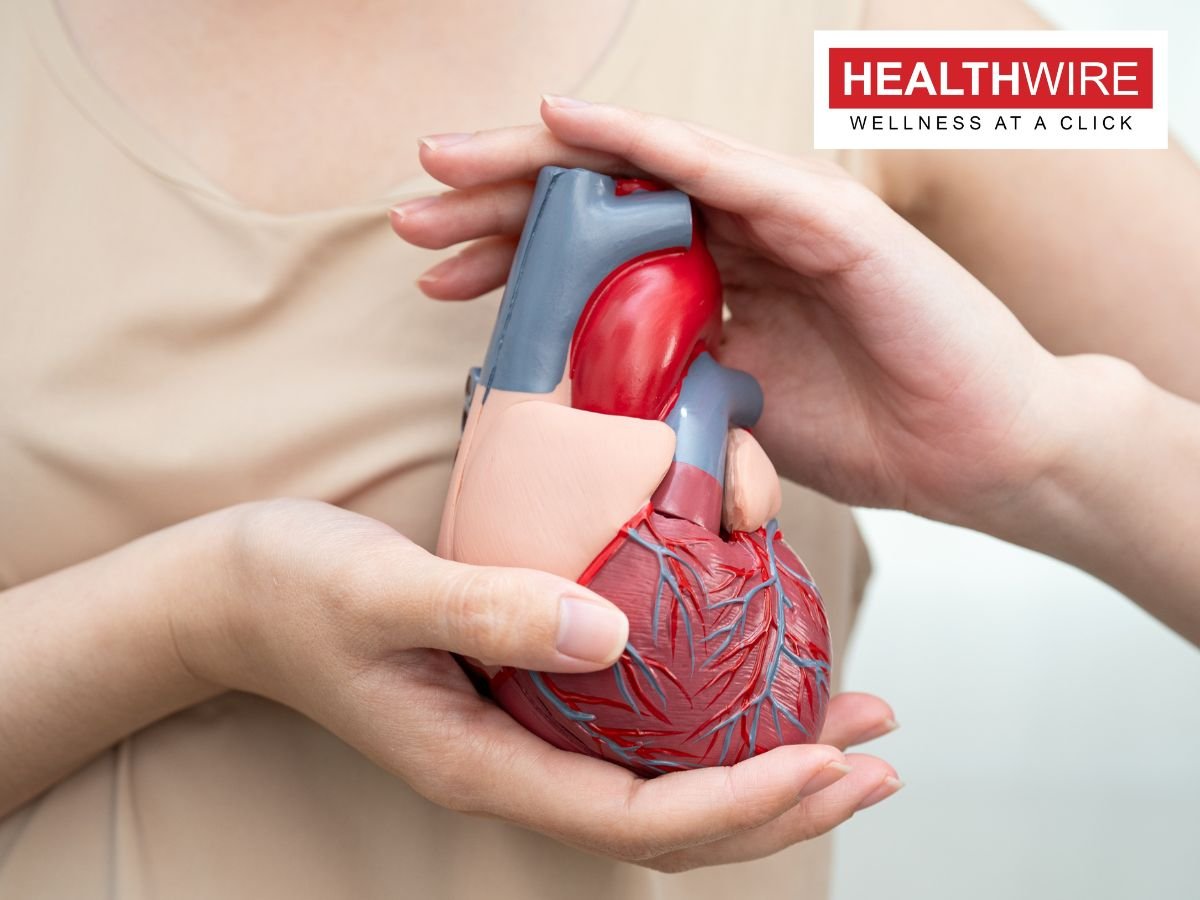
New Delhi, 31 November, 2025: In modern healthcare discussions, much attention is given to overt symptoms of heart attacks or strokes, but a far more insidious threat lies quietly underneath. Three conditions — elevated blood pressure (hypertension), high blood sugar (diabetes) and dysregulated lipid levels (high cholesterol) — are often symptom‑free yet steadily damage the cardiovascular and cerebrovascular system. When left unchecked, they pave the way for catastrophic events like heart attacks and strokes.
Why They Are “Silent” Risk Factors
These three conditions share one crucial characteristic: individuals frequently feel fine even while their bodies are under stress. Hypertension, for instance, may quietly damage blood vessels without causing aches or malaise. Diabetes often progresses without obvious symptoms until complications emerge. High cholesterol creates plaque in arteries — a process that can occur over years without causing pain or notice. The danger lies not in the immediacy of symptoms, but in the gradual, cumulative damage these conditions inflict on vital organs. As such, they are aptly called silent risk factors.
The Scope of the Problem
Globally, the prevalence of hypertension, diabetes and elevated cholesterol continues to climb. Sedentary lifestyles, processed diets, obesity, age‑related changes and urban stress all contribute. These conditions are not isolated: they often cluster. A person with high blood pressure often also has impaired glucose regulation or elevated lipids — a pattern of metabolic dysfunction sometimes described as cardiometabolic syndrome. When multiple silent risk factors co‑exist, the risk of heart disease or stroke multiplies.
How These Conditions Affect Heart and Brain
1. Hypertension (High Blood Pressure):
Chronic elevated blood pressure exerts mechanical stress on arteries, damages the endothelium (the inner lining of blood vessels), promotes stiffening of arteries, and accelerates plaque formation. Over time, this leads to “hardening” of arteries (atherosclerosis), reduced blood flow, and greater risk of vessel rupture or blockage — both in the heart and brain.
2. Diabetes (High Blood Sugar / Insulin Resistance):
Persistently elevated glucose levels damage small and large blood vessels, promote inflammation, impair vascular repair mechanisms and increase susceptibility to atherosclerosis. Diabetic individuals have a significantly higher risk for heart attack and stroke compared to those without diabetes. The damage is often silent — many patients are unaware until major complications set in.
3. High Cholesterol and Dyslipidaemia:
Abnormal levels of low‑density lipoprotein (LDL) “bad” cholesterol, low levels of high‑density lipoprotein (HDL) “good” cholesterol, and elevated triglycerides lead to the deposition of lipid‑rich plaques inside arteries. These plaques narrow the vascular lumen, obstruct blood flow, and become vulnerable to rupture — a primary mechanism for heart attack and stroke.
Together, these three conditions contribute to compromised circulation, reduced oxygen supply to tissues, and weakening of vascular integrity. The brain and heart — organs highly dependent on uninterrupted blood flow — pay the highest price.
Recognising the Warning Signs
Because these conditions are often silent, early recognition requires vigilance rather than waiting for symptoms. Some red flags to monitor:
- Routine check‑up findings such as elevated blood pressure readings, high fasting blood sugar or impaired glucose tolerance, and abnormal lipid panel results.
- Symptoms may appear when damage is advanced: chest discomfort, shortness of breath, dizziness, persistent headaches, vision changes, numbness, or weakness (especially for brain involvement).
- Changes in physical fitness, unexplained fatigue, difficulty performing tasks previously managed easily — these may reflect declining cardiovascular or cerebrovascular efficiency.
Screening and Diagnostics
Regular screening is essential. For all adults, at intervals dictated by risk profile, health providers should check:
- Blood pressure (both systolic and diastolic values)
- Fasting plasma glucose and/or HbA1c (for diabetes risk)
- Lipid profile including LDL, HDL, triglycerides and total cholesterol
- Additional markers in high‑risk individuals: waist circumference (abdominal obesity), body mass index (BMI), electrocardiogram (ECG) for heart, carotid ultrasound for cerebrovascular disease, and perhaps advanced vascular imaging in selected cases.
Prevention: The Power of Lifestyle and Monitoring
The great news is that these risk factors are largely modifiable. Prevention is far more effective (and cost‑efficient) than treating a full‑blown heart attack or stroke. Key strategies include:
- Maintain normal weight and abdominal circumference. Excess visceral fat drives metabolic dysfunction, high blood pressure and dyslipidaemia.
- Adopt a heart/brain‑healthy diet. Emphasize fresh fruits, vegetables, whole grains, lean proteins, legumes, nuts, seeds and healthy fats (such as olive oil). Limit saturated fat, trans‑fat, excess salt and added sugars.
- Engage in regular physical activity. At least 150 minutes per week of moderate aerobic exercise, plus strength training, helps control blood pressure, improve insulin sensitivity and raise HDL levels.
- Avoid smoking and limit alcohol. Tobacco accelerates vascular damage; excessive alcohol adds to blood pressure and metabolic stress.
- Sleep well and manage stress. Chronic sleep deprivation and high stress contribute to insulin resistance and elevated blood pressure. Incorporating relaxation, mindfulness or meditation helps.
- Routine monitoring and early intervention. Don’t wait for symptoms. If screening shows elevated blood pressure, high glucose or abnormal lipids — act promptly via lifestyle changes and, if necessary, medical management.
Treatment When Risk Factors Are Present
When screening reveals hypertension, diabetes or dyslipidaemia, treatment might include:
- Medication for blood pressure control, tailored by age, co‑morbidities, and organ involvement.
- Glucose‑lowering therapy in diabetics or pre‑diabetes, along with dietary and lifestyle support.
- Statins or other lipid‑lowering medications when indicated by lipid levels, cardiovascular risk and existing damage.
- Comprehensive risk factor management, including addressing other contributors like obesity, sleep apnea, kidney disease and inflammation.
Early and integrated intervention reduces the likelihood of heart attacks or brain strokes.
Why Early Action Is Imperative
By the time a heart attack or stroke happens, years of silent damage may have occurred. Arteries may be narrowed or stiffened, plaque may be unstable, blood flow may already be compromised and organs may have begun to suffer. This is why prevention and early detection are vital: intervening when risk factors are rising but before irreversible damage occurs offers the best chance for preserving health.
Bridging the Awareness Gap
Despite clear medical knowledge, many people remain unaware of these silent risk factors. Some reasons:
- Normal feeling despite internal damage gives a false sense of safety.
- Regular screening may be neglected due to cost, access or perceived lack of urgency.
- Lifestyle changes are difficult to sustain without proper support or motivation.
- Risk factor clusters (e.g., hypertension + diabetes + high cholesterol) may go unrecognised unless actively searched for.
Public health efforts must emphasize: feeling fine does not guarantee being healthy. Routine screening, personal vigilance and provider engagement are key.
Practical Checklist for Individuals
Here’s a handy checklist to keep your heart and brain health on track:
- Have your blood pressure measured at least once a year (or more if elevated readings).
- Get your fasting glucose and HbA1c tested regularly.
- Request a full lipid profile if you have concerns (family history, obesity, hypertension).
- Track your waist circumference — aim for <94 cm in men and <80 cm in women (or local guideline).
- Choose a diet rich in fiber, low in processed foods and high in plant‑based nutrients.
- Set a physical activity goal — aim for consistency rather than perfection.
- Quit smoking and avoid exposure to second‑hand smoke.
- Limit alcohol and follow recommended guidelines.
- Get adequate sleep (7–8 hours) and incorporate stress‑reducing practices.
- If screening reveals any of these conditions, follow up with your physician — lifestyle changes and medication when needed are effective.
- Recognize that absence of symptoms does not mean absence of disease.
The Broader Impact: Society and Healthcare Systems
On a population level, the burden of the silent trio is enormous. Heart disease and stroke remain among the leading causes of death globally. By focusing efforts on screening, prevention and early treatment of hypertension, diabetes and dyslipidaemia, healthcare systems can reduce the incidence of acute cardiovascular and cerebrovascular events, reduce healthcare costs, and improve quality of life for many.
Policymakers need to ensure that access to screening, diagnostics and affordable treatment is available to large segments of the population — especially in geographies and communities where awareness and healthcare resources are limited.
Final Thoughts
Hypertension, diabetes and high cholesterol are not benign conditions. They quietly undermine the integrity of your vascular system, yet they often produce no immediate warning signs. The good news is that they are manageable — the difficult news is that the window for best impact is early.
By recognising their presence early, acting decisively through life‑style change, regular monitoring, and, when needed, medication, you can preserve both heart and brain health. If you are thinking “I feel fine, there’s nothing wrong” — consider that feeling fine should not replace objective testing. Routine health check‑ups are your best ally.
In the race between your silent risk factors and your conscious choices, let your choices win.














Leave a comment