

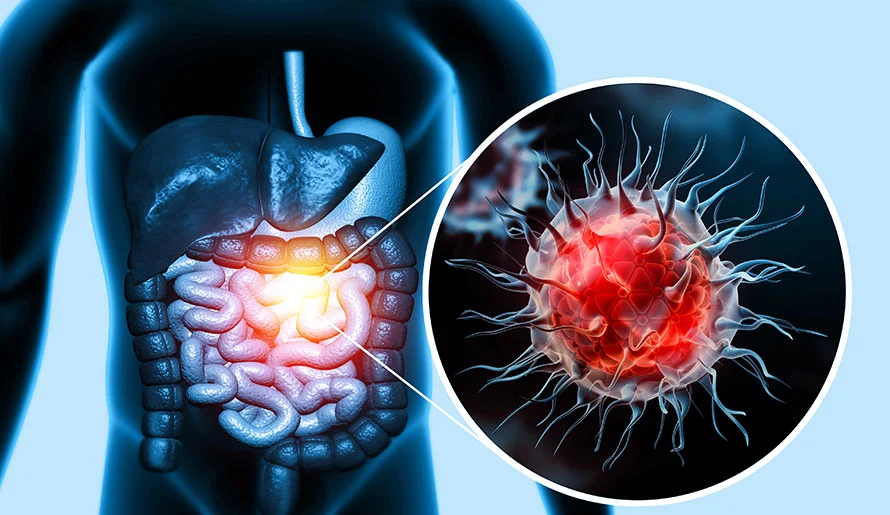
New Delhi, 09 May 2025: Colon cancer, also known as colorectal cancer, is no longer a disease confined to older adults. In recent years, doctors have witnessed a disturbing rise in colon cancer cases among younger individuals, including those in their 30s and 40s. What makes this particularly dangerous is that the symptoms are often subtle or mistaken for less serious conditions. Recognising the early signs of colon cancer—especially before the age of 50—could save your life.
Why Colon Cancer Is Rising in Young Adults
According to global cancer data and several peer-reviewed studies, the incidence of colon cancer in adults under 50 has been steadily increasing over the past two decades. Sedentary lifestyles, poor dietary habits, rising obesity rates, and low fibre intake are believed to be contributing factors. Unlike older adults who are often screened routinely, younger individuals may miss out on early detection, allowing the disease to progress silently.
- Unexplained Fatigue and Weakness: One of the earliest signs of colon cancer is persistent fatigue. Cancer in the colon can cause internal bleeding, leading to iron deficiency anaemia. If you often feel tired, light-headed, or unusually weak despite getting enough rest, it’s important to consider a medical evaluation.
- Changes in Bowel Habits: A sudden and unexplained change in your bowel movements can be a red flag. This includes: Diarrhoea or constipation that lasts more than a few days. A feeling of incomplete bowel evacuation. Narrow or ribbon-like stools
While such changes can also occur due to stress or diet, if they persist, it’s best to get them checked.
- Blood in Stool or Rectal Bleeding: Visible or hidden (occult) blood in your stool is one of the most alarming yet often ignored signs of colon cancer. Many people assume it’s just hemorrhoids or minor irritation. However, any rectal bleeding—especially if persistent—needs to be evaluated through a colonoscopy or appropriate testing.
- Unexplained Weight Loss: Losing weight without a change in diet or exercise can be a sign of several cancers, including colon cancer. If you’re shedding pounds rapidly and unintentionally, your body might be fighting a malignancy that’s affecting your metabolism and nutrient absorption.
- Abdominal Pain and Cramps: Frequent stomach pain, bloating, gas, or cramps that do not go away may point to a tumour blocking part of the colon. Tumours can interfere with digestion, cause inflammation, and put pressure on surrounding tissues—leading to chronic discomfort.
- Feeling of Fullness or Nausea: Colon cancer can obstruct the bowel, leading to a constant feeling of fullness, even after small meals. In some cases, people also experience nausea or vomiting. These signs may indicate partial blockage of the intestine—a serious medical concern.
- Family History and Genetic Risk: Individuals with a family history of colon cancer, polyps, or known genetic conditions like Lynch syndrome are at increased risk. If colon cancer runs in your family, discuss earlier screening options with your doctor—possibly starting before 45 or even earlier.
Don’t Wait Until 50: Early Screening Can Save Lives
Traditionally, colon cancer screenings such as colonoscopies were recommended after age 50. However, due to rising cases among younger adults, global health bodies including the American Cancer Society now recommend screening from age 45—or earlier if symptoms are present or you have a family history.











Leave a comment