

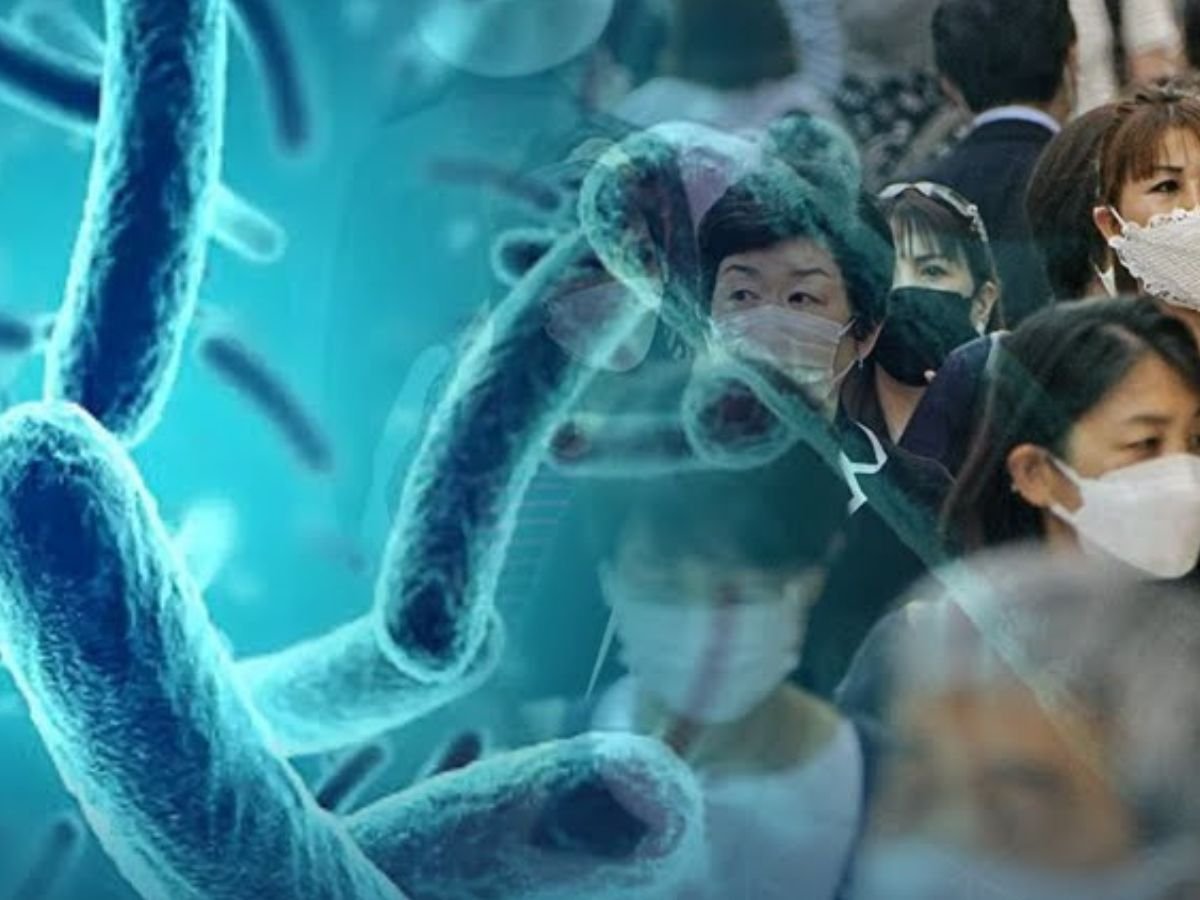
New Delhi, 24 September, 2025: Health officials in the United States are raising alarms over a troubling increase in infections caused by what experts call “nightmare bacteria.” These bacteria belong to a group of pathogens that are resistant to nearly all known antibiotics, making them especially dangerous. The surge in such cases has put public health agencies, hospitals, and medical researchers on high alert, as these infections not only spread quickly but are also extremely difficult to treat.
The rise of antibiotic-resistant superbugs has been a global concern for years, but the recent spike in cases of carbapenem-resistant Enterobacteriaceae (CRE)—the bacteria often referred to as “nightmare bacteria”—is particularly worrisome. Understanding what these bacteria are, why they are so dangerous, and what individuals and healthcare providers can do to limit their spread is crucial for both public health and personal safety.
What Are “Nightmare Bacteria”?
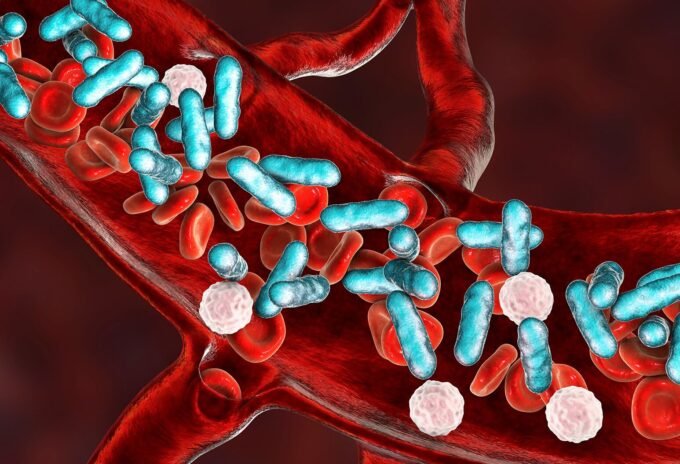
The term “nightmare bacteria” is used by health experts to describe CRE—Carbapenem-resistant Enterobacteriaceae. Enterobacteriaceae are a large family of bacteria that includes familiar strains such as E. coli and Klebsiella pneumoniae. These bacteria normally live in the human gut and often do not cause harm. However, when they cause infections—and especially when they become resistant to carbapenems, a class of last-resort antibiotics—they can be extremely dangerous.
The “nightmare” label comes from three main factors:
- High Mortality Rate – CRE infections are difficult to treat and can be fatal in up to 50% of cases.
- Resistance to Almost All Antibiotics – These bacteria can resist nearly every available antibiotic, including those used as last-resort options.
- Ability to Spread Resistance Genes – CRE bacteria can transfer their resistance traits to other bacteria, amplifying the problem.
Why the Sudden Surge in the US?
The recent increase in nightmare bacteria cases in the US has several contributing factors:
- Overuse and Misuse of Antibiotics – Overprescription of antibiotics and improper use (such as stopping treatment too early) allow bacteria to adapt and survive.
- Hospital and Healthcare Settings – CRE infections often spread in hospitals, long-term care facilities, and nursing homes, where patients may have weakened immune systems or use invasive devices like catheters or ventilators.
- Post-Pandemic Vulnerability – After years of COVID-19, many patients have weakened immune defenses. Prolonged hospitalizations, widespread antibiotic use during the pandemic, and increased medical procedures may have contributed to rising cases.
- Global Travel and Trade – Resistant strains can spread across borders as people travel, making it harder to contain outbreaks.
How Nightmare Bacteria Affect the Body
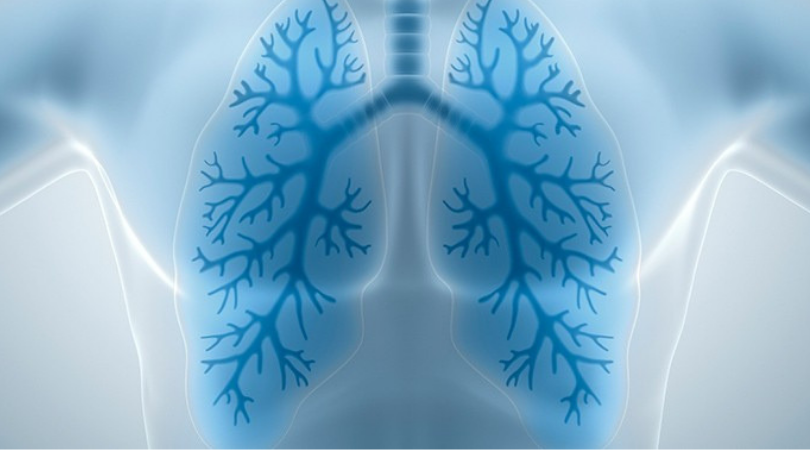
When CRE bacteria cause infections, they usually affect the bloodstream, lungs, urinary tract, or wounds. Symptoms depend on the site of infection but may include:
- Fever and chills
- Fatigue and weakness
- Shortness of breath (if lungs are involved)
- Burning sensation during urination
- Redness or pus around wounds
Because the bacteria resist so many antibiotics, treatment options are limited, expensive, and sometimes less effective. This leads to longer hospital stays, higher medical costs, and increased risk of complications or death.
Who Is at Risk?
While nightmare bacteria can infect anyone, some groups are at higher risk:
- Hospitalized patients (especially those in intensive care units)
- People with weakened immune systems (such as cancer patients or transplant recipients)
- Elderly individuals in nursing homes or long-term care facilities
- Patients with invasive medical devices (catheters, ventilators, IV lines)
- People with frequent or recent antibiotic use
How Health Officials Are Responding
US health agencies are monitoring the surge closely. Key response measures include:
- Enhanced Surveillance – Hospitals are required to report CRE cases to public health authorities for tracking and outbreak prevention.
- Infection Control Protocols – Strict hand hygiene, use of personal protective equipment (PPE), and isolation of infected patients in healthcare settings.
- Research and New Treatments – Pharmaceutical companies and scientists are working on new antibiotics and alternative therapies, though progress has been slow.
- Public Awareness Campaigns – Educating doctors and patients on responsible antibiotic use.
How You Can Stay Safe
Even though nightmare bacteria are more common in hospitals, everyone can take steps to reduce risk:
1. Practice Good Hygiene
- Wash your hands frequently with soap and water for at least 20 seconds.
- Use hand sanitizer with at least 60% alcohol when soap isn’t available.
- Shower and change clothes after visiting hospitals or healthcare facilities.
2. Use Antibiotics Responsibly
- Never demand antibiotics for viral infections such as colds or flu—they don’t work against viruses.
- Always complete your prescribed antibiotic course, even if you feel better.
- Avoid sharing leftover antibiotics or self-medicating.
3. Stay Healthy to Boost Immunity
- Eat a balanced diet rich in fruits, vegetables, and probiotics to support gut health.
- Exercise regularly to keep your immune system strong.
- Get recommended vaccinations to reduce your risk of infections.
4. Be Cautious in Hospitals
- If you or a loved one is hospitalized, don’t hesitate to ask healthcare staff if they’ve washed their hands.
- Ensure catheters and IV lines are removed as soon as they are no longer needed.
- Follow all hospital guidelines for infection prevention.
The Bigger Picture: Antibiotic Resistance Crisis
The surge in nightmare bacteria is part of the larger antimicrobial resistance (AMR) crisis that the world is facing. Experts warn that if new solutions aren’t found, we could be heading toward a “post-antibiotic era,” where even minor infections could once again become deadly.
Some alarming projections suggest that by 2050, antimicrobial resistance could cause more deaths globally than cancer. The rise of CRE in the US is a stark reminder that the fight against superbugs is urgent and ongoing.
Future Solutions: Hope on the Horizon
Despite the threat, scientists are working on innovative solutions to counter nightmare bacteria:
- Development of new antibiotics targeted specifically at resistant bacteria.
- Phage therapy, which uses viruses that attack bacteria.
- Immunotherapies that boost the body’s ability to fight resistant infections.
- AI-powered drug discovery to accelerate the development of new treatments.
Governments and international health bodies are also investing in stewardship programs to ensure antibiotics are prescribed wisely and only when necessary.
The surge of nightmare bacteria cases in the US is a serious public health concern, but it’s also a wake-up call. These superbugs thrive when antibiotics are misused, when infection control breaks down, and when awareness is low.
For individuals, the best defense is prevention through good hygiene, responsible antibiotic use, and strong immunity. For healthcare systems, the priority must be strict infection control, surveillance, and continued investment in new treatments.
Nightmare bacteria may sound terrifying, and indeed they are—but with the right steps, both at the individual and community levels, the risks can be reduced. Awareness, vigilance, and scientific progress remain our strongest weapons in this ongoing fight.













Leave a comment