

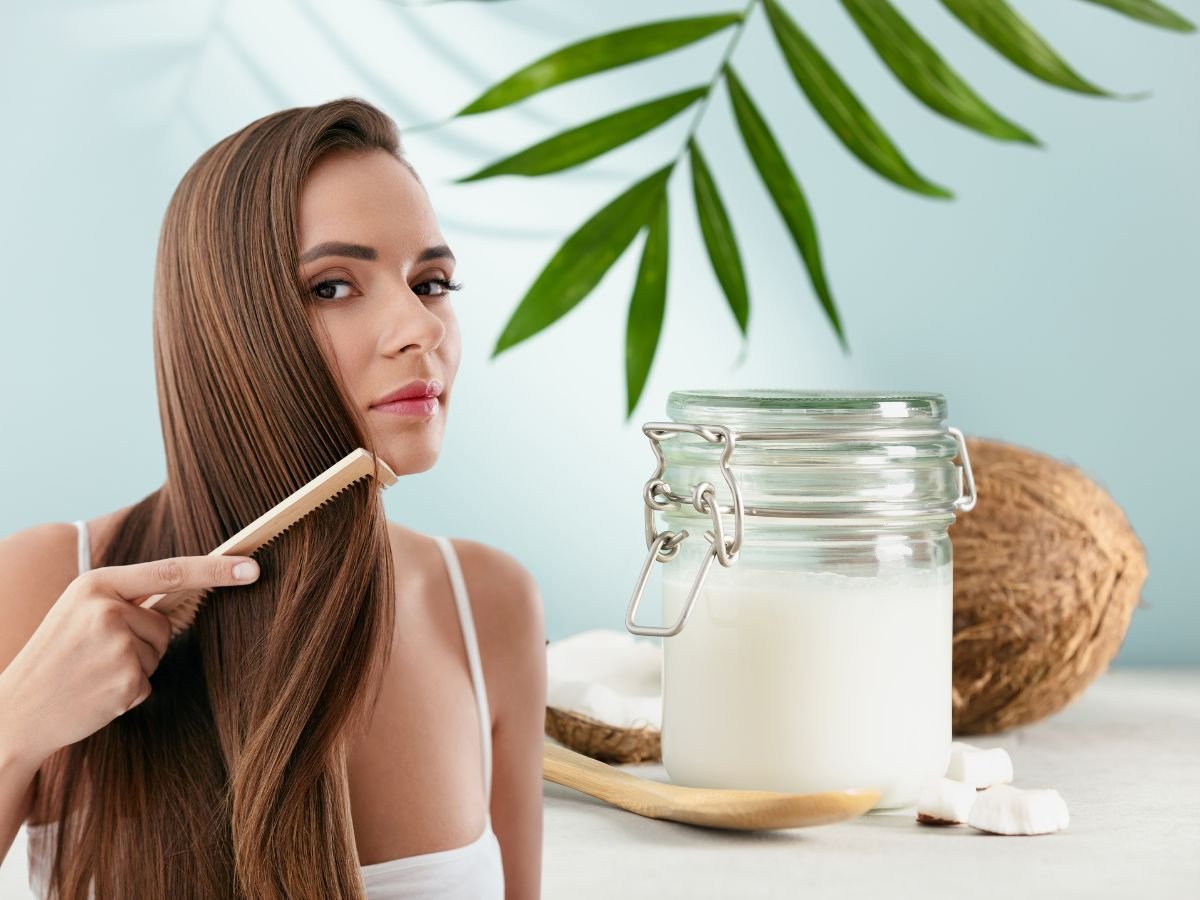
Can summer rain damage your hair? With the summer heat increasing rain is a relief but dermatologists are warning that it can be silently harmful to your hair and scalp. Although the cool drizzle is refreshing, humidity, pollutants and the long-standing moisture may have some hidden consequences which according to the experts can result in dryness, frizziness and even scalp infections.
Dr. Satish Bhatia, Dermatologist and Cosmetologist, Indian Cancer Society, Mumbai, points out that the peak of hair-related issues increases seasonally with summer rains absorbing into your hair causing a sore head due to scratch or split ends.
Why rainwater is not as clean as it seems
Many believe that rainwater is clean but experts claim that it is not the case because droplets pick up dust, toxins and harmful particles as they fall through polluted air. When this polluted water deposits on your hair it removes natural oils that cover your hair.
In his words, “Falling water might look pure but it carries hidden contaminants. Pollutants from the air mix into droplets alongside tiny bits of dust. These elements remove essential moisture found in your hair strands.” This can often lead to roughness of hair, brittle hair and breakages. Additionally through repeated exposures colour treated hair may fade away sooner and chemically treated hair becomes weaker.
Humidity can cause frizzy and weak hair
Humidity is one of the greatest perpetrators of monsoon hair damage i.e when the air is heavy with moisture it interferes with the internal makeup of the hair. He explained, “Humid weather bends internal structures within each shaft. Hydrogen bonds roam freely upon finding themselves in a damp environment causing your hair to frizz and weak making it even more difficult to manage. Sudden change of texture may be noticed even in people whose hair is naturally thick or untreated particularly when they are exposed to often wet conditions.”
Scalp issues due to summer rain
It is important to note that constant humidity not only has an impact on hair but also influences the scalp health. Dr. Bhatia said, “Moisture that lingers too long preconditions the appearance of fungi on your scalp. This may be followed by dandruff, itchiness and even seborrheic dermatitis. Individuals with an oily or sensitive scalp are especially susceptible because when the scalp gets moist easily then it can lead to irritation.”
Tips to protect your hair from summer rain
- Haircare expert emphasises that hair damage due to summer rain in the long run can be avoided with the help of timely care. Dr. Bhatia says, “Hair drenched by rain? Wet it in clean water and then apply a mild shampoo to remove any dirt.”
- Do not pull wet hair into a tight knot as this may cause roots to stretch and break.
- Light conditioner or serum will be useful to replenish the hydration and regulate the frizz.
Although summer rain might be invigorating there are some unseen effects on your hair and scalp. The doctor warns that higher humidity, pollution and extended dampness are known to cause damage when not handled in the right manner. Therefore he suggests that it may be nice to have a splash of rain but taking care of your hair before it gets wet will make a difference down the street.
The content above is only for informational purposes. It is not at all professional medical advice. Always consult your doctor or a healthcare specialist for any questions regarding your health or a medical condition.














Leave a comment