

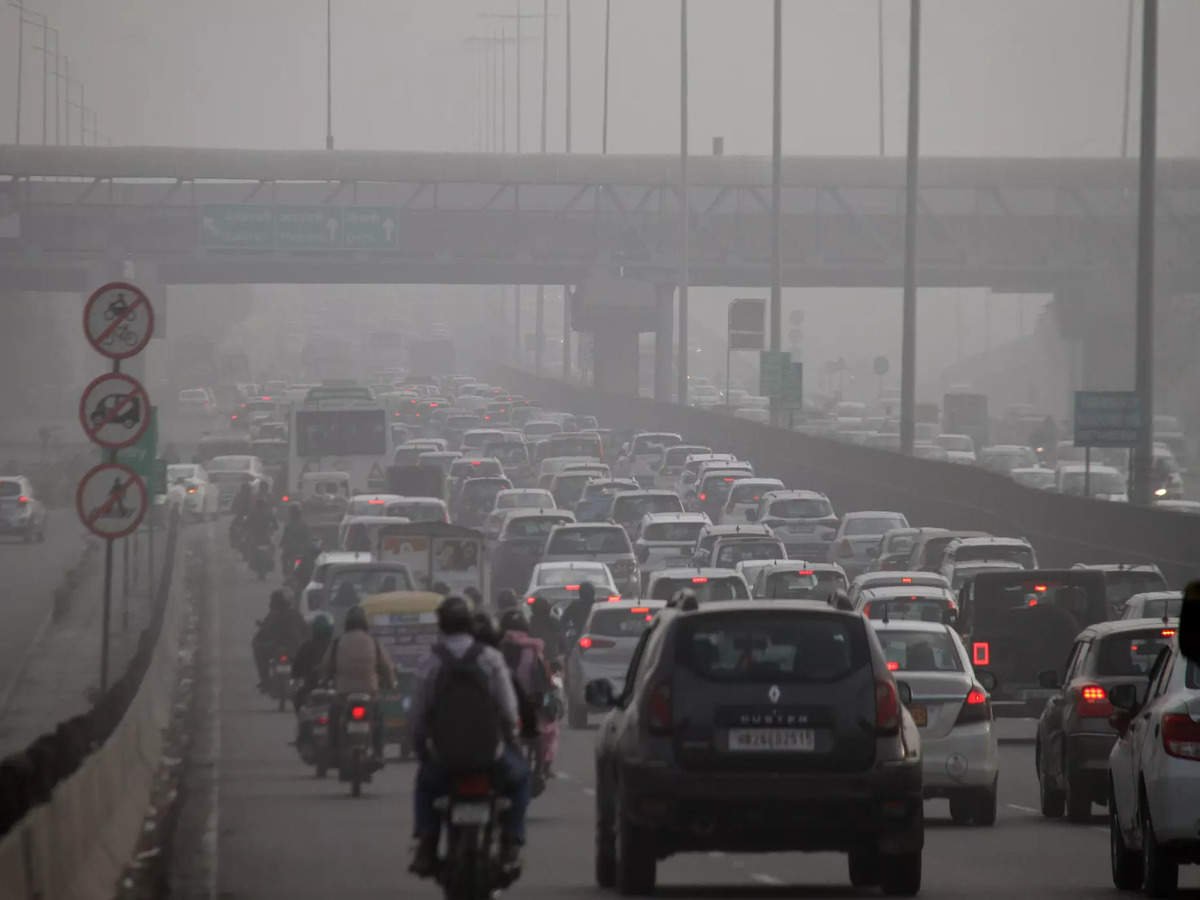
New Delhi, 07 July 2025: Air pollution is no longer just a concern for lung health—it is now emerging as a silent but deadly threat to unborn babies. A recent study has revealed alarming links between exposure to polluted air and adverse birth outcomes, including preterm births and low birth weight, across various regions in India. With urban centers consistently recording some of the world’s worst air quality indices, the health of pregnant women and their newborns is increasingly at risk. The findings underscore a pressing need for stronger public health policies and awareness around environmental factors affecting maternal and infant health.
The Hidden Threat Growing in the Womb
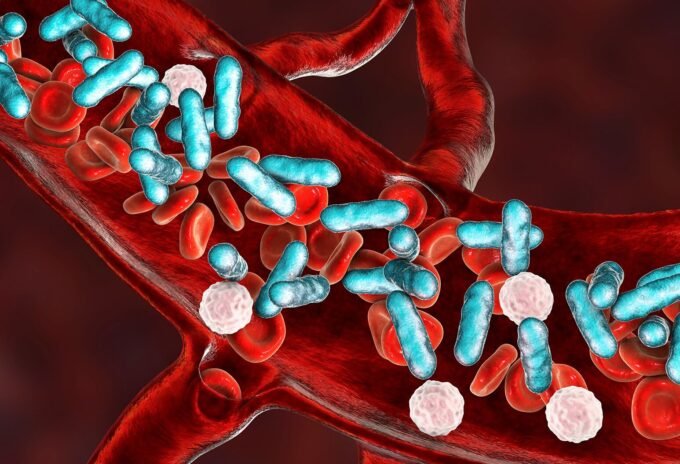
Pregnancy is a critical period where both the mother and the developing fetus are highly vulnerable to environmental insults. When a pregnant woman inhales air laden with fine particulate matter (PM2.5), nitrogen dioxide, sulfur dioxide, or carbon monoxide, these pollutants can enter the bloodstream and reach the placenta. This impairs the supply of oxygen and nutrients to the baby, potentially triggering complications. The study found that prolonged exposure to high levels of air pollution can lead to babies being born too early—before 37 weeks of gestation—or having a low birth weight of less than 2.5 kilograms. These conditions are associated with lifelong health issues, including respiratory problems, developmental delays, and increased risk of chronic diseases in adulthood.
India’s Alarming Air Quality and Its Toll on Infants
India is home to 14 of the world’s 20 most polluted cities, and urban centers like Delhi, Kanpur, Varanasi, and Lucknow regularly experience toxic air, particularly during the winter months. The study examined data from thousands of births across multiple states and correlated pollution levels with birth outcomes. The results painted a grim picture: areas with higher average concentrations of PM2.5 and other airborne toxins reported significantly more cases of premature deliveries and underweight newborns. Rural areas were not spared either, especially those where biomass burning or industrial emissions contribute heavily to air pollution. This makes the crisis a nationwide concern, not just limited to metro cities.
How Polluted Air Disrupts Pregnancy
Exposure to high pollution levels leads to systemic inflammation in the mother’s body, which in turn can trigger stress responses in the placenta. Inflammation and oxidative stress are known to interfere with fetal development, potentially inducing early labor or restricting fetal growth. Moreover, polluted air affects the cardiovascular system of the mother, increasing the risk of high blood pressure and gestational complications, both of which are known risk factors for poor birth outcomes. The placenta, often thought of as a protective barrier, is not completely impermeable; studies have shown that even toxic particles can accumulate there, affecting fetal development in ways we are just beginning to understand.
Poor Women and Infants at Greater Risk
Women from lower socio-economic backgrounds are particularly vulnerable to the effects of air pollution during pregnancy. Many live in congested areas with poor ventilation, rely on biomass fuels like wood or cow dung for cooking, and have limited access to healthcare. These factors magnify the impact of polluted air on both maternal and infant health. Additionally, poor nutrition, limited prenatal care, and lack of awareness compound the risks. The study emphasizes the urgent need to address environmental inequalities that put the poorest families at the greatest risk of complications during childbirth.
Long-Term Effects on Children Born with Low Birth Weight
Babies born with low birth weight or prematurely often face a cascade of health challenges. These include higher chances of respiratory infections, impaired brain development, learning disabilities, and stunted growth. Many such children also develop cardiovascular problems or metabolic disorders later in life. The long-term burden on public health systems is substantial, with increased hospital admissions, delayed developmental milestones, and poor academic performance becoming common patterns. These are not just individual tragedies—they reflect a systemic issue that threatens the next generation’s health and productivity.
Need for Urgent Policy and Public Health Intervention
The findings of the study call for immediate and concrete steps to reduce air pollution levels, especially in areas with high birth rates. Policymakers need to integrate environmental safety into maternal health programs. Urban planning must focus on reducing vehicle emissions, promoting clean public transport, regulating industrial discharges, and ensuring access to clean energy sources for all households. Pregnant women, in particular, should be made aware of the dangers of air pollution, with guidance on avoiding outdoor exposure during peak pollution hours, using air purifiers where possible, and ensuring regular health checkups to monitor fetal growth and development.
The connection between air pollution and poor birth outcomes like preterm birth and low birth weight is no longer speculative—it is scientifically established and deeply concerning. As India continues to battle hazardous air quality, the invisible victims of this crisis are babies who never had a chance to breathe clean air, even in the womb. Addressing this issue requires more than just pollution control—it demands a societal shift toward prioritizing maternal and child health in the face of an environmental emergency. Clean air is not a luxury; it is a fundamental right, and protecting the next generation begins with safeguarding the air they breathe before they are even born.














Leave a comment