

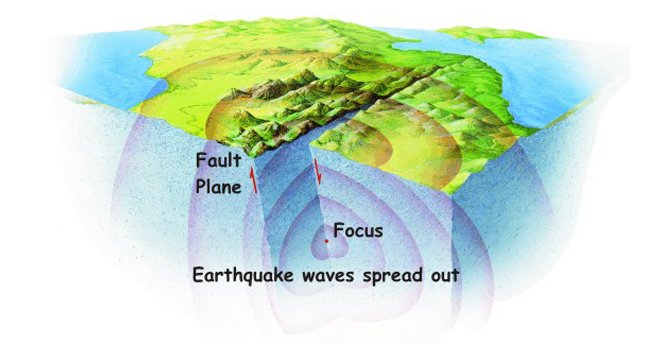
New Delhi, 21 November, 2025: Tremors were felt across several parts of south Bengal, including Kolkata, on Friday morning (November 21, 2025) after an earthquake of magnitude 5.7 struck Bangladesh’s Narsingdi district. According to the Indian Meteorological Department (IMD), the quake occurred at 10:08 a.m., just 13 km south-southwest of Narsingdi, at a shallow depth of 10 km — a combination that made the tremors more widely perceptible across nearby regions, including India.
Although no major damage was immediately reported in West Bengal, the incident has once again raised concerns about the region’s vulnerability to moderate earthquakes and the urgent need for improved preparedness, awareness, and structural safety.
Where the Earthquake Hit and Why Kolkata Felt It Strongly
The epicenter — Narsingdi in central Bangladesh — lies just over 200 km from Kolkata. Because the quake originated at a shallow depth of 10 km, the seismic waves traveled efficiently through the soil and sediment layers of the Bengal basin.
The Indo-Gangetic plains, including large parts of West Bengal, sit on soft alluvial soil. This type of soil amplifies ground shaking, making even moderate earthquakes feel stronger than expected.
This explains why many residents across Kolkata, Howrah, Hooghly, North 24 Parganas, South 24 Parganas, and Nadia reported noticeable vibrations.
What People Experienced Across South Bengal
Residents described a range of sensations:
- Light shaking of chairs, beds, and furniture
- Hanging objects swaying for several seconds
- Sudden jolts felt on upper floors of high-rise buildings
- Mild panic in offices as people rushed outdoors
- Widespread buzzing on social media asking, “Was that an earthquake?”
In several high-rise buildings in Kolkata’s Salt Lake, Rajarhat, and New Town areas, alarms were triggered as a precaution. Offices briefly evacuated staff, and many schools paused classes until safety checks were completed.
While the tremors lasted only a few seconds, the psychological impact was significant because Kolkata and its surrounding areas have not experienced many perceptible quakes in recent years.
Why This Earthquake Matters: Bengal’s Seismic Vulnerability
West Bengal is not considered a high-risk earthquake zone compared to the Himalayan belt, but it is far from safe. The region falls within Seismic Zone III, classified as a moderate-risk zone capable of experiencing quakes up to magnitude 6.5–7.0.
Several risk factors make Bengal particularly vulnerable:
1. Soft Alluvial Soil
The deep sedimentary layers amplify tremors, increasing the intensity of shaking in urban areas.
2. High Population Density
Cities like Kolkata have densely packed neighborhoods where even moderate earthquakes can cause widespread panic and injury.
3. Aging Infrastructure
Many buildings are decades old and not designed with modern seismic codes in mind.
4. Rapid Growth of High-Rise Structures
Kolkata’s eastern and southern fringes have seen a boom in high-rise residential towers; upper floors feel tremors more strongly.
5. Proximity to Bangladesh and Northeast India
Major tectonic activity in the neighboring regions frequently influences seismic behavior in Bengal.
Today’s earthquake is a reminder that preparedness — not panic — is the best approach.
What Experts Say About the Quake
Seismologists emphasize that an earthquake of magnitude 5.7 is considered moderate but can be strongly felt over large areas when it occurs at a shallow depth. Because Narsingdi lies in a complex tectonic region influenced by both the Indian plate and minor fault lines within Bangladesh, such quakes are not unusual.
Experts also warn that moderate quakes should be taken seriously. Even when they do not cause immediate damage, they highlight stress accumulation in fault zones that could lead to stronger events in the future.
Immediate Safety Tips for Citizens After an Earthquake
Even after a quake stops, aftershocks can follow. These may be smaller, but they can still cause damage — especially to weakened structures.
Right After Tremors Cease:
- Stay calm and check for injuries among family members.
- Avoid elevators until authorities confirm structural safety.
- Turn off gas connections if you smell leakage or see broken pipes.
- Check for cracks in walls, ceilings, or staircases in older buildings.
- Avoid damaged areas or leaning structures.
Avoid Rumors
Earthquake predictions are not possible. Avoid circulating unverified messages.
Precautions and Safety Measures to Follow Indoors During Tremors
In case of future tremors, knowing what to do within the first few seconds can save lives.
If You Are Indoors:
- Drop, Cover, and Hold On
- Drop to your hands and knees.
- Cover your head and neck under sturdy furniture.
- Hold on tight until shaking stops.
- Stay Away from Windows
Glass can shatter easily. - Do Not Use Elevators
Elevators may stop or malfunction during tremors. - Stand in a Clear Corner or Next to Solid Furniture
Doorframes are no longer recommended unless they are load-bearing, which most modern ones are not.
If You Are in a High-Rise Building:
- Do not rush to staircases during shaking.
- After shaking stops, use stairs — not elevators — to exit if evacuation is necessary.
Safety Measures to Follow Outdoors
If you are outside during an earthquake:
- Move away from buildings, trees, streetlights, and wires.
- Stand in an open ground or clear space.
- If driving, stop slowly and stay inside the vehicle until the shaking stops.
- Avoid bridges, flyovers, and tunnels until inspections are completed.
Long-Term Safety and Preparedness Measures for Citizens
Earthquake preparedness is a long-term habit. Here are essential steps for families:
1. Create a Family Safety Plan
- Decide a meeting point outside the home.
- Teach children how to respond during tremors.
2. Build an Emergency Kit
Include:
- Water, dry food, emergency medicines
- Flashlight, battery radio, power bank
- Copies of IDs and important documents
3. Get a Structural Assessment
Families living in old buildings should request an expert evaluation, especially if cracks appear after tremors.
4. Secure Heavy Furniture
Attach bookshelves, cupboards, and TVs to walls to prevent falling.
5. Learn Basic First Aid
Simple first aid knowledge helps during emergencies when medical response is delayed.
Government and Civic Measures Needed for Future Preparedness
While individual preparedness is important, larger systems must support safety. Steps needed include:
- Strengthening enforcement of seismic building codes
- Conducting structural audits of old buildings
- Setting up more earthquake monitoring stations in Bengal
- Conducting drills in schools, offices, and housing complexes
- Public awareness campaigns on earthquake safety
- Ensuring hospitals and emergency services are ready for mass casualty events
Kolkata, being an old and densely populated city, needs special attention in building safety regulations and retrofitting.
A Wake-Up Call, Not a Crisis
The 5.7-magnitude earthquake in Bangladesh that shook south Bengal was a reminder of the region’s seismic vulnerability — not a disaster.
There is no need for panic, but preparedness must become a priority.
Earthquakes cannot be predicted, but their impact can be drastically reduced with awareness, timely precautions, and a strong safety culture across the region.














Leave a comment