

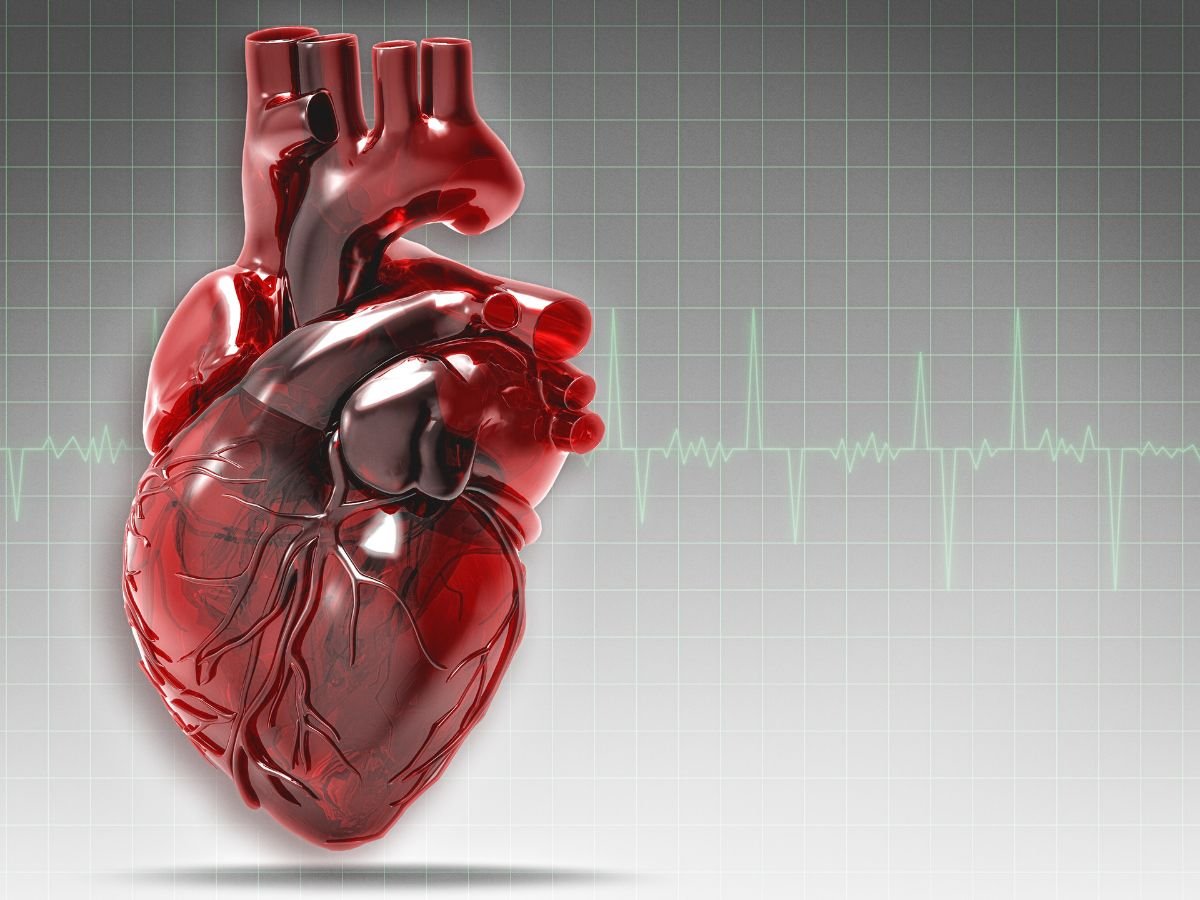
New Delhi, 06 July 2025: Your mouth might be trying to tell you something more serious than just a dental issue—medical experts now warn that certain oral symptoms could actually be an early sign of heart disease. While most people associate cardiovascular problems with chest pain or shortness of breath, growing evidence suggests that your gums, tongue, and breath may offer vital clues about your heart health. Understanding these subtle signals could help in detecting heart problems before they become life-threatening.
The Mouth-Heart Connection: Why It Matters
The link between oral health and cardiovascular disease is not new, but it’s gaining more attention as research deepens. Inflammation caused by gum disease (periodontitis) doesn’t just stay in the mouth—it can travel through the bloodstream, triggering or worsening inflammation in the blood vessels and heart. Poor oral hygiene may also allow harmful bacteria to enter the bloodstream, contributing to the formation of plaque in arteries, a condition known as atherosclerosis, which increases the risk of heart attack and stroke.
Key Mouth Symptoms That May Point to Heart Issues
Doctors and cardiologists are urging people to pay close attention to these unusual but potentially dangerous signs:
- Bleeding Gums: Frequent gum bleeding while brushing or flossing may indicate gum disease, which is associated with increased heart risks due to systemic inflammation.
- Persistent Bad Breath (Halitosis): While often linked to poor oral hygiene or digestive problems, chronic bad breath could also signal gum infections or bacterial buildup that may strain the cardiovascular system.
- Swollen or Red Gums: Inflammation in the gums is not just a dental issue; it could reflect chronic inflammation in the body, which plays a central role in heart disease.
- Loose Teeth or Gum Recession: These signs point to advanced periodontitis, which is strongly associated with an increased risk of clogged arteries.
- Jaw Pain or Tightness: Pain radiating from the jaw—especially the lower jaw—can sometimes be a referred symptom of an impending heart attack, particularly in women.
Scientific Evidence Behind the Claims
Numerous studies have shown a correlation between periodontal disease and heart problems. People with gum disease are almost twice as likely to suffer from coronary artery disease. Some researchers suggest that the bacteria responsible for gum disease may trigger clot formation or promote systemic inflammation, damaging blood vessels and reducing blood flow to the heart. Inflammation, the body’s response to infection, appears to be the common denominator between poor oral health and cardiovascular issues.
Who Is Most at Risk?
People with existing risk factors for heart disease—such as smoking, diabetes, high cholesterol, or obesity—are especially vulnerable if they also suffer from poor oral health. These overlapping risk factors can compound the chances of a cardiac event. The elderly, those with a history of gum problems, and individuals who have not maintained regular dental care should be particularly cautious.
Preventive Measures to Protect Your Heart and Mouth
The good news is that improving your oral hygiene may also benefit your heart. Here are some steps that can help:
- Brush your teeth at least twice a day using fluoride toothpaste.
- Floss daily to remove plaque between teeth and below the gumline.
- Visit the dentist regularly for cleanings and check-ups—ideally every six months.
- Avoid tobacco use, which damages both gums and blood vessels.
- Maintain a heart-healthy diet low in sugar and saturated fats.
- Control systemic conditions like diabetes and high blood pressure.
- Stay alert to changes in your oral health and seek prompt dental evaluation if problems arise.
Your mouth can be a mirror to your heart. Unusual oral signs like bleeding gums, bad breath, or jaw pain shouldn’t be dismissed as minor annoyances. They could be early warnings of deeper health concerns, including heart disease. Paying attention to these symptoms and maintaining strong dental hygiene isn’t just about keeping your smile healthy—it might help save your life. If you’re experiencing persistent oral issues, consult both a dentist and a cardiologist to ensure nothing more serious is going on beneath the surface.














Leave a comment