

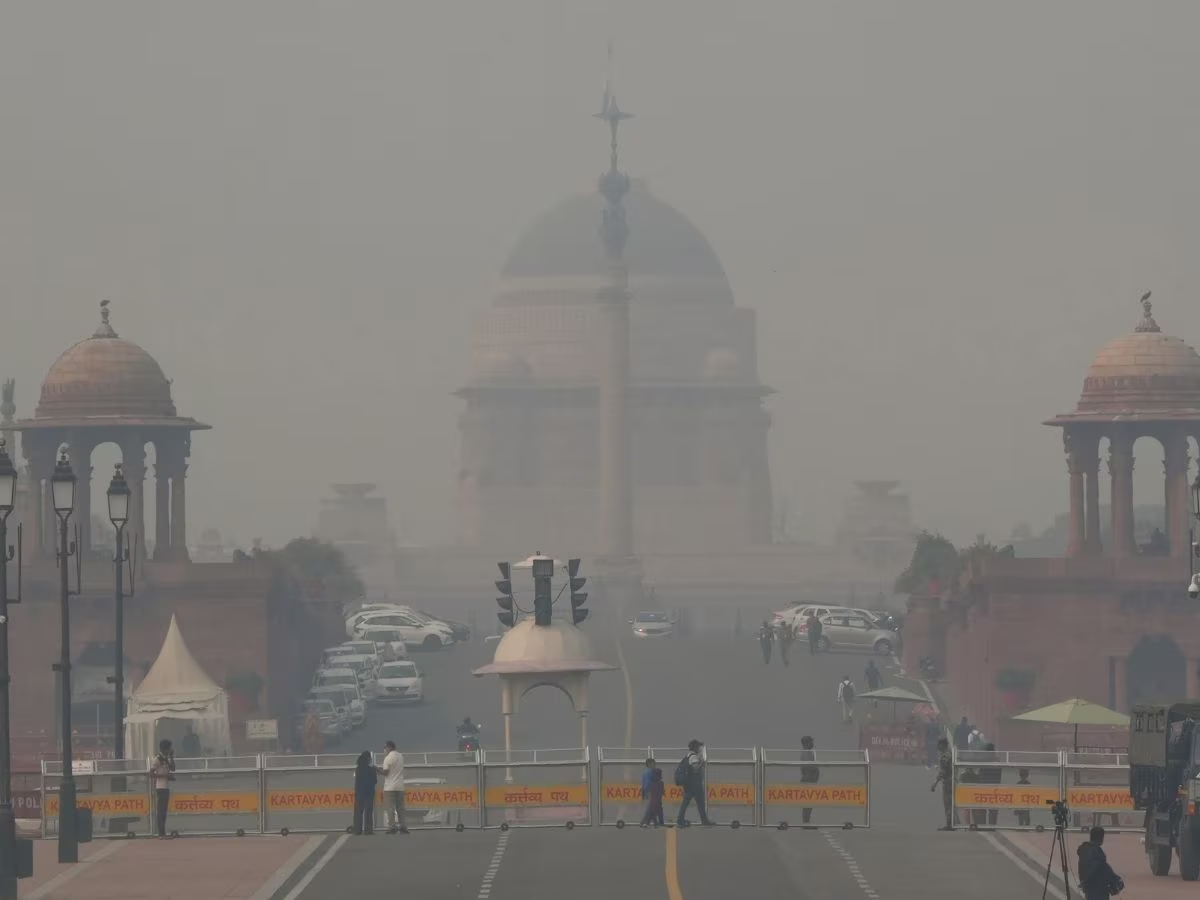
New Delhi, 10 November 2024: Delhi is currently facing a severe air quality crisis, with the Air Quality Index (AQI) reaching alarming lows that threaten the health of its residents. The AQI levels have soared into hazardous territory, largely due to a combination of car emissions, dust from construction, and crop burning in nearby states. This unsettling scenario prompts essential questions: What’s causing the decline in air quality? Why is it so important to safeguard our lungs? What long-term effects does air pollution have on our health? What actions must be taken urgently? And how can we personally protect ourselves from its harmful impact? This article will explore the factors contributing to this crisis and offer practical advice for lung protection.
The Deteriorating Air Quality: Causes and Effects
Several key factors contribute to Delhi’s air quality predicament, including vehicle emissions, industrial waste, and seasonal agricultural activities. Particularly during winter, the burning of crop leftovers in neighboring areas worsens the situation, enveloping the city in dense smog. This pollution not only obstructs visibility but also leads to significant respiratory problems for many residents.
Health Implications of Poor Air Quality (Air Pollution)
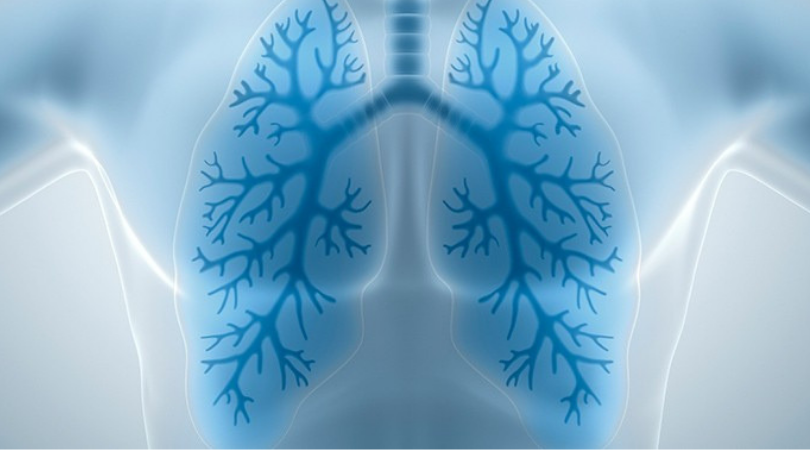
The consequences of low air quality are serious and cannot be ignored. Long-term exposure to high levels of particulate matter can trigger chronic respiratory diseases, heart conditions, and even lung cancer. Certain groups, such as children, the elderly, and those with existing health issues, are especially vulnerable. The recent spike in AQI levels is a clear wake-up call to address this public health emergency urgently.
Protecting Your Lungs From Air Pollution
Staying Indoors During High Pollution Days: One simple yet effective way to protect your lungs is to remain indoors on days when pollution levels are particularly high. Use air purifiers at home and keep windows and doors shut to keep outdoor air pollutants at bay. A clean indoor space can greatly lessen your exposure to harmful air contaminants.
Wearing Masks Outside: If you must go outside, especially when pollution levels peak, wearing a mask can offer crucial protection. Masks that filter out particulate matter, like N95 respirators, help lower the risk of inhaling harmful pollutants. It’s important to select the right mask and ensure it fits properly to be most effective.
Incorporating Indoor Plants: Adding certain indoor plants can enhance air quality and promote a healthier living space. Plants such as spider plants, peace lilies, and snake plants are known for their air-purifying abilities. Including these green companions in your home can help counteract some of the negative effects of outdoor pollution.
While individual actions are important, tackling air pollution requires a unified approach. Government measures aimed at cutting emissions from vehicles and industries are vital. Stricter regulations on emissions, boosting public transportation, and investing in environmentally friendly technologies can greatly improve air quality.
Increasing awareness about the risks of air pollution and engaging communities in cleanup initiatives can foster accountability among citizens. Educational programs that highlight the significance of air quality and its health impacts can empower individuals to take action and advocate for cleaner air.















Leave a comment