Home Latest News Six Infant Die in Madhya Pradesh, Health Minister Orders Probe
Latest News

Six Infant Die in Madhya Pradesh, Health Minister Orders Probe

Share
3-Week Old Baby Dies of COVID-19
Share

Bhopal, January 15– After Kota and Rajkot, the latest state witnessing death of infants is Madhya Pradesh.

In a span of 13 hours (between Monday evening and Tuesday morning) six infants have reportedly died at a hospital in Shahdol district of the state. The children belonged to tribal families of Shahdol and the adjoining Anuppur district.

A probe has been ordered by state health minister Tulsi Silawat.

According to a report in The Times of India, the officials who are being blamed for negligence, have offered the explaination that the medical staff should not be blamed as the infants were already sick by the time they were brought to the hospital, so it was already too late. and some had been brought to the hospital in a critical condition. There were no lapses by medical staff.

It only took a span of four hours for three infants to die, i.e. at 6.50pm and 7.30pm. A fourth infant died at 3.30am on January 14 followed by another at 6am. The sixth death was at 7.50am.

Two of the infants had been admitted there for around a fortnight. The infants, who were less than six-month old, were admitted in the general ward, special neonatal care unit (SNCU) and paediatric ICU of the hospital.


Share

Leave a comment

Leave a Reply

Your email address will not be published. Required fields are marked *

Don't Miss

Latest News

Union Budget 2026 LIVE: What Does the Healthcare Sector Seek?

As Finance Minister Nirmala Sitharaman presents the Union Budget 2026, the healthcare sector is closely tracking the announcements, hoping for decisive reforms that...

Cancer
Press ReleaseVirus & Disease

Nipah Virus Infection – India

Situation at a glance On 26 January 2026, the National IHR Focal Point for India notified WHO of two laboratory‑confirmed cases of Nipah...

Latest News

Hidden Cancers in Women: Early Symptoms You’re Probably Ignoring

Many cancers in women remain undetected until they reach advanced stages, making early awareness and screening critical. While breast and cervical cancers receive...

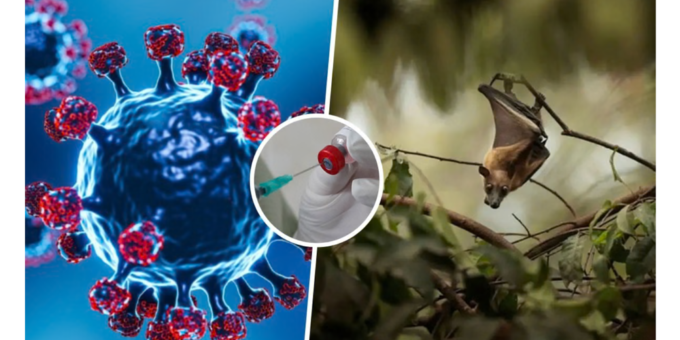
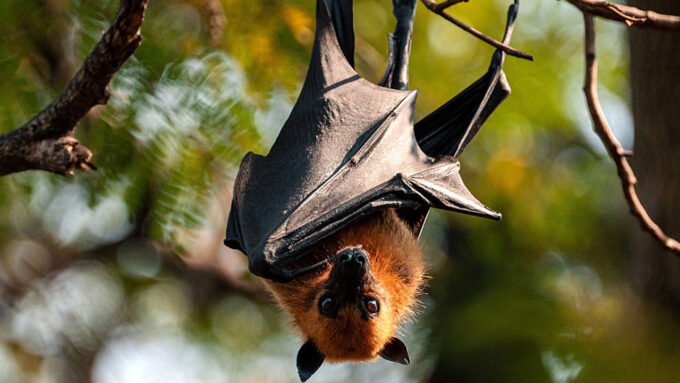
The Nipah virus is considered one of the deadliest zoonotic infections globally, not because it spreads rapidly like influenza or COVID-19, but because of its extremely high fatality rate, rapid progression, and severe brain involvement. Medical experts warn that once symptoms escalate, the disease can turn fatal within days. According to available data, the case fatality rate of Nipah virus ranges between 50 and 75 per cent, placing it among the most lethal viral infections known to humans. In this explainer, Dr Dip Narayan Mukherjee, Consultant – Microbiology and Infectious Diseases, CK Birla Hospitals, CMRI, sheds light on why the virus is so dangerous and difficult to control. Why Is the Nipah Virus So Deadly? According to Dr Mukherjee, Nipah’s lethality lies in a combination of delayed symptom recognition, aggressive disease progression, and early involvement of the brain. “Nipah virus often begins with very non-specific symptoms, which makes early detection difficult. By the time it is clinically suspected, the virus may have already affected the brain,” he explains. Early Symptoms Often Go Unnoticed One of the biggest challenges in controlling Nipah virus is that its initial symptoms closely resemble common viral illnesses, leading to delays in diagnosis and isolation. Early symptoms include: Fever Headache Cough Muscle pain General weakness “These symptoms are easily mistaken for flu, viral fever, or respiratory infections,” says Dr Mukherjee. “This delay gives the virus time to progress silently.” Severe Brain Infection Drives High Mortality The most dangerous aspect of Nipah virus infection is its neurological involvement. The virus frequently causes encephalitis, or inflammation of the brain, which significantly increases the risk of death. Neurological symptoms may include: Seizures Confusion and altered consciousness Extreme drowsiness Coma “Once the central nervous system is involved, the disease becomes very difficult to manage,” Dr Mukherjee notes. “At this stage, treatment is largely supportive because there is no specific antiviral therapy available.” This lack of targeted treatment options makes early detection critical. Human-to-Human Transmission Raises Risk While Nipah virus is primarily transmitted from fruit bats, it can also spread from person to person, particularly in healthcare settings. Dr Mukherjee points out that: Caregivers and healthcare workers are at higher risk Exposure to high viral loads can worsen outcomes Inadequate infection control increases transmission risk “Strict adherence to infection control practices is essential. Even a small lapse can result in secondary infections,” he says. Zoonotic Nature Makes Exposure Hard to Predict Nipah virus is transmitted from fruit bats, either directly or through intermediate hosts such as pigs. This zoonotic pattern makes outbreaks unpredictable, especially in regions where humans, animals, and wildlife interact closely. Adding to the challenge: There is no approved vaccine Treatment options remain limited Isolation protocols must be strictly enforced What Can Reduce Nipah Fatalities? According to experts, early action remains the most effective defence against Nipah virus. Key measures include: Early isolation of suspected cases Strict use of personal protective equipment (PPE) Rapid escalation and referral to specialised centres Strong hospital infection control protocols “The earlier the virus is identified and contained, the better the chances of preventing severe disease and fatalities,” Dr Mukherjee emphasises. The Bottom Line Nipah virus continues to be a serious public health threat because of its high fatality rate, neurological complications, and lack of targeted treatment. Its ability to masquerade as a mild illness in the early stages makes vigilance crucial. Health experts stress that awareness, early suspicion, and strict infection control are currently the most powerful tools to reduce deaths linked to this deadly virus. As Dr Mukherjee concludes, “With Nipah, time is the most critical factor. Early recognition can save lives.”
Latest News

Nipah Virus in India: What You Should Know and How to Stay Safe

Nipah virus (NiV) is a rare but highly dangerous zoonotic virus that can be transmitted from animals to humans and, in some cases,...

Latest News

How Seasonal Flu Symptoms Are Changing in 2026—and What It Means for You

Seasonal influenza, commonly known as the flu, affects millions of people worldwide every year, and 2026 has already shown changes in how the...

Section title

Related Articles
Latest News

NEET-PG 2025 Controversy: MD/MS Seats Allotted to Low and Negative Scorers

The NEET-PG 2025 third-round counselling has stirred nationwide debate after MD and...

Latest News

International Epilepsy Day 2026: Why Early Diagnosis and Treatment Can Change Lives for Millions in India

Every year, International Epilepsy Day serves as a crucial reminder of the...

Latest News

From Fever to Brain Swelling: A Complete Guide to Nipah Virus Symptoms Doctors Are Warning About

The Nipah virus (NiV) has once again made headlines as a deadly...

Latest News

Broken Heart Syndrome Is Real: Doctor Explains Why Emotional Stress Can Trigger Heart Attacks

When we hear the phrase “broken heart,” most of us think of...

×