

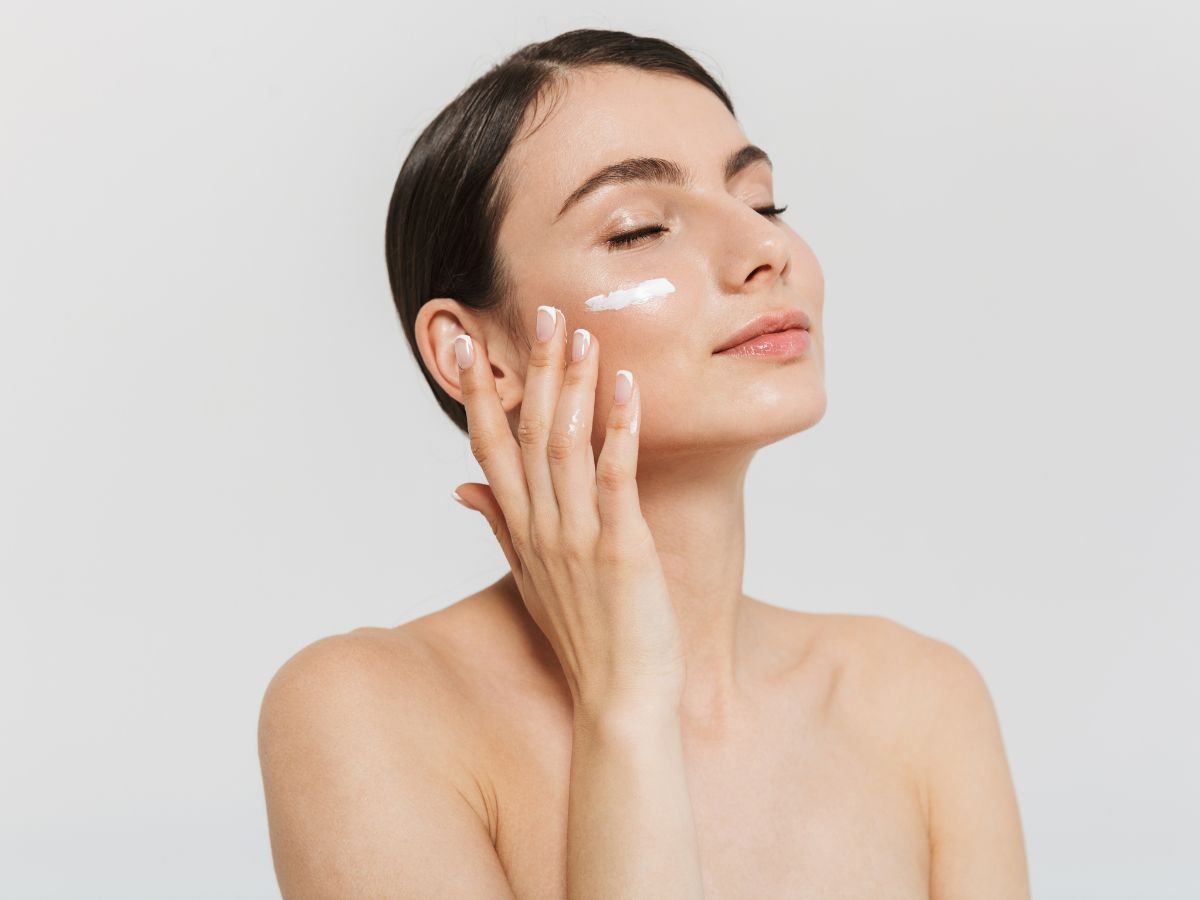
Retinoids and retinols are two buzzwords frequently heard in skincare discussions, often used interchangeably, but they possess distinct characteristics and benefits. Understanding these differences can help you make informed decisions about integrating them into your skincare regimen. Let’s unravel the disparities between retinoids and retinols.
The Vitamin A Connection
At their core, both retinols and retinoids are derivatives of vitamin A. This essential nutrient plays a crucial role in collagen production promoting a youthful looking skin.
Chemical Structure
Retinoids, derived from vitamin A is an umbrella term. They include potent prescription formulations like tretinoin, adapalene, and tazarotene. Retinols, on the other hand, are a milder form of retinoids.
Strength Matters
Retinoids exhibit higher potency compared to retinols. They penetrate deeper into the skin and yield faster, more dramatic results in addressing various skincare concerns. Retinols, while effective, work more gradually and are suitable for individuals with sensitive skin.
Treatment Focus
Retinoids work on treating conditions such as such as acne, wrinkles and hyperpigmentation while retinols help improve skin texture, fine lines, open pores and lax skin.
Availability
Retinols are readily accessible over the counter as creams, serums, and lotions. This accessibility makes them a popular choice for individuals seeking to combat signs of aging and enhance skin texture without necessitating a prescription. Conversely, retinoids, particularly the more potent formulations, typically mandate a prescription and are employed under the guidance of a dermatologist.
A Tale of Two Timelines
Due to their lower concentration, retinols take longer to show results compared to prescription retinoids. However, they are generally better tolerated, making them a good starting point for those new to vitamin A skincare.
Side Effects
Both retinoids and retinols can trigger side effects such as dryness, irritation, redness, and peeling, especially during the initial stages of usage or with higher concentrations. However, retinoids are more prone to inducing these side effects due to their heightened potency. Initiating with lower concentrations and gradually escalating frequency can mitigate these effects and allow the skin to acclimate.
Finding the Right Fit
The choice between retinoids and retinols hinges on individual skin concerns, sensitivity levels, and tolerance thresholds. Those with sensitive skin may gravitate toward retinols for their gentler nature, while individuals grappling with persistent skincare issues may derive greater benefit from the potency of retinoids. Consulting with a dermatologist can provide tailored guidance to ascertain the most suitable option based on your unique skincare needs. Sun protection is also crucial when using either product, as vitamin A can increase skin sensitivity to sunlight.
Here’s a quick table summarizing the key differences:
| Feature | Retinol | Retinoids |
| Availability | Over the counter | Prescription |
| Strength | Lower | Higher |
| Results | Slower | Faster |
| Applications | Fine lines, uneven skin tone, mild sun damage | Severe acne, deep wrinkles |
















Leave a comment