

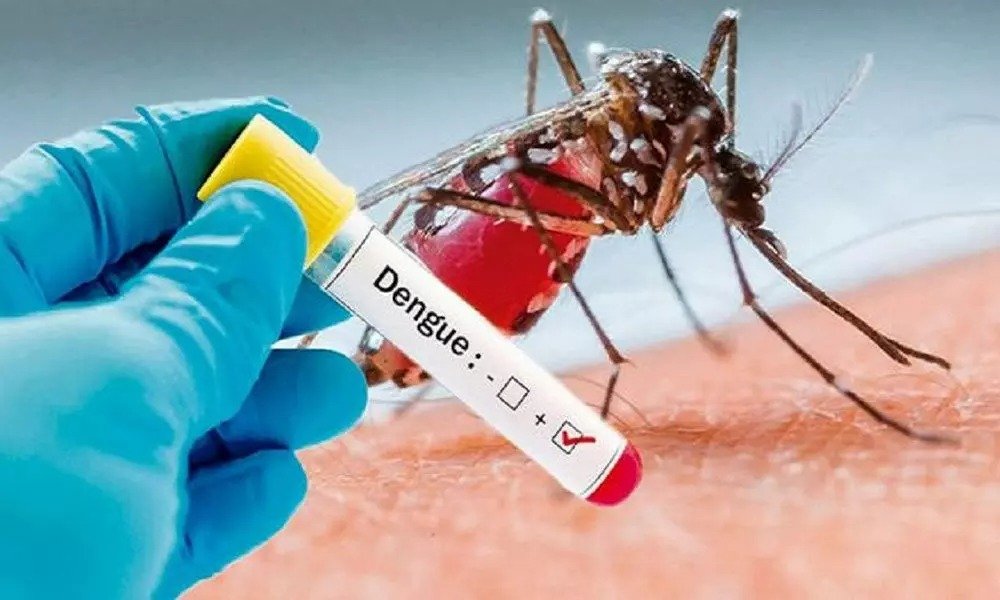
New Delhi, 09 November 2024: Dengue fever is a tropical illness caused by the dengue virus, primarily spread through mosquito bites. Although many individuals recover after experiencing symptoms like high fever, severe headaches, and joint pain, they might not realize the lasting effects this virus can have on their health. Why is it important to be cautious about dengue even after you’ve recovered? How does it impact our lungs? What complications could arise? What steps can we take to protect ourselves? Grasping these points is essential for anyone who has battled this illness.
The Connection Between Dengue and Lung Health
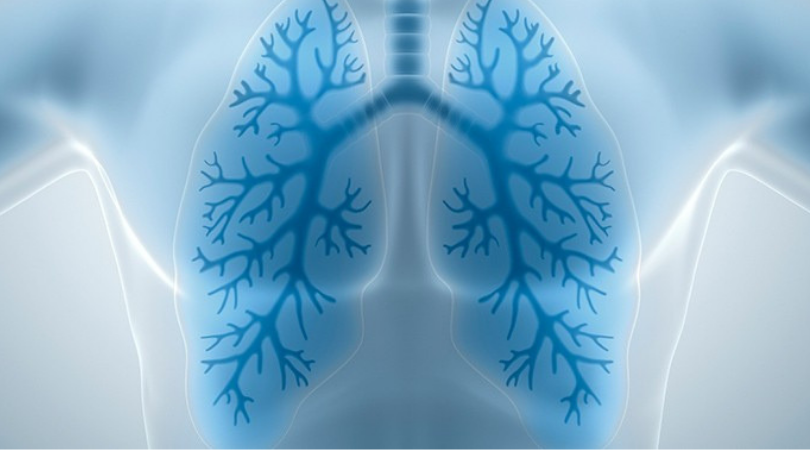
While dengue fever is typically linked with flu-like symptoms, recent research has shown that the virus can affect various organs, including the lungs. The inflammation triggered by the dengue virus can lead to complications that may not appear until after the initial recovery period. It’s crucial for former dengue patients to understand this connection to stay alert about their health.
Respiratory Complications Post-Dengue
One of the more concerning discoveries is that some people may experience respiratory issues after recovering from dengue fever. Conditions like pneumonia or acute respiratory distress syndrome (ARDS) can develop, especially in those with existing health conditions. The dengue virus can impair lung function, resulting in breathing difficulties. This emphasizes the need for vigilance regarding respiratory health after recovery.
Post-Dengue Complications: Symptoms to Watch For
After getting better from dengue, it’s important to be on the lookout for certain symptoms that could indicate lung issues. A persistent cough, trouble breathing, chest pain, or a sudden spike in respiratory rate should not be brushed off. These symptoms might mean that the lungs are still impacted by the virus, requiring immediate medical evaluation. Catching these issues early can lead to better outcomes and prevent further complications.
The Importance of Follow-Up Care
For those recovering from dengue, follow-up care is crucial. Regular visits to healthcare providers can help identify lingering effects of the virus, particularly relating to lung health. Doctors may suggest pulmonary function tests or imaging studies to evaluate lung capacity and function. Taking these proactive steps can help reduce the risks associated with post-dengue complications.
Post-Dengue Complications: Lifestyle Changes for Lung Health
Making specific lifestyle changes can significantly enhance lung health following dengue recovery. Steering clear of smoking, engaging in regular physical exercise, and eating a balanced diet packed with antioxidants can boost lung performance. Staying hydrated and maintaining good hygiene are also vital for overall health and decreasing the risk of respiratory infections.
Vaccination and Prevention Strategies
The best way to dodge the complications of dengue is to prevent the illness in the first place. In certain regions, vaccines against dengue are available and may be recommended for high-risk individuals. Moreover, taking measures to reduce mosquito exposure—like applying insect repellent and wearing protective clothing—can lower the chances of contracting the virus.
Raising public awareness about the long-term impacts of dengue is fundamental. Educational initiatives can enlighten communities about the risks tied to dengue and highlight the importance of health monitoring even after feeling better. By increasing awareness, we empower individuals to take control of their health and seek timely medical assistance when needed.
Stay Vigilant After Recovery
While overcoming dengue fever is a huge relief, it’s vital to stay watchful for any possible complications, especially regarding lung health. Being aware of the risks and symptoms linked to post-dengue respiratory issues can ultimately save lives. Regular check-ups, lifestyle changes, and preventive measures play an essential role in achieving complete recovery and sustaining overall health. Awareness is the cornerstone of a healthier future for anyone who has faced this disease.












Leave a comment