

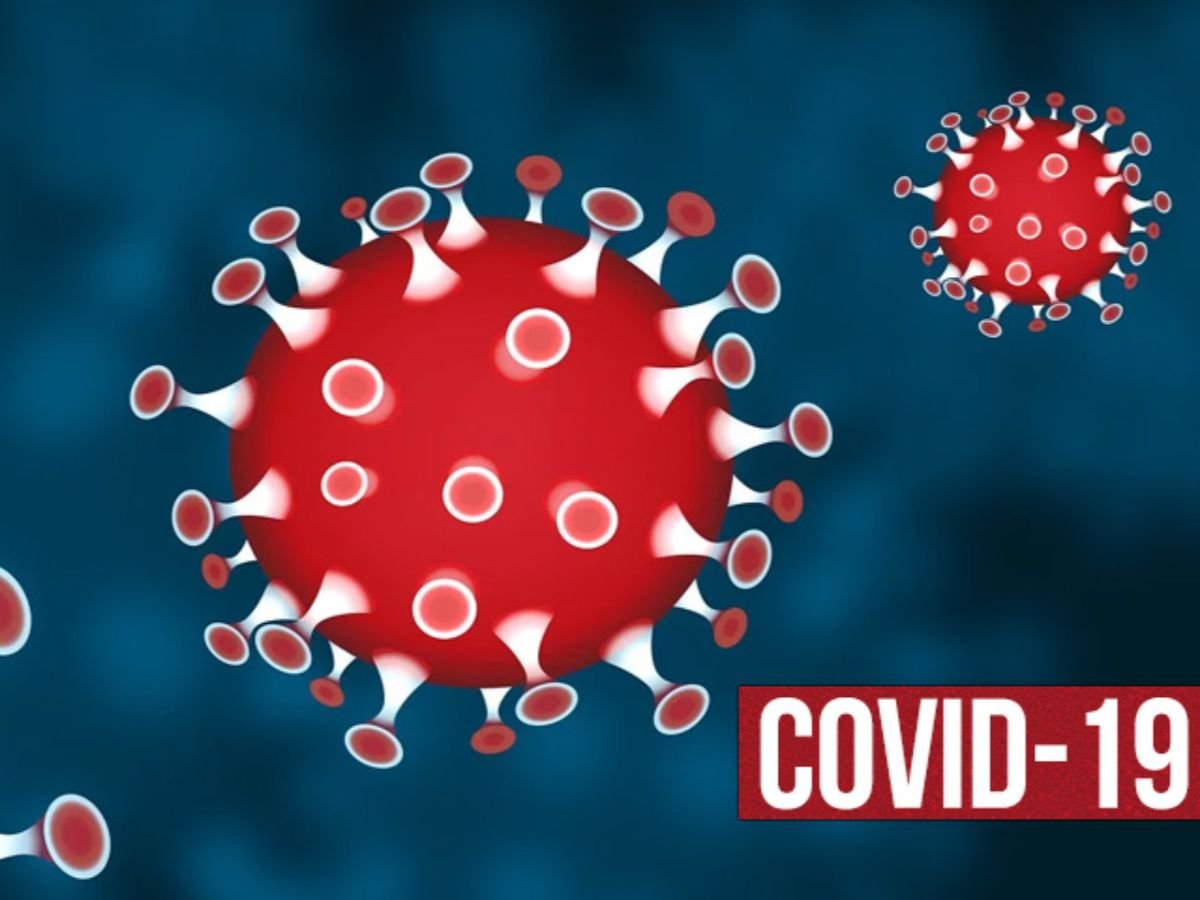
New Delhi, September 14: The COVID-19 pandemic has had far-reaching health consequences, including developing new health conditions. Recent studies have shed light on one such complication: the link between SARS-CoV-2 infection and the onset of diabetes. New research suggests that the virus may directly damage pancreatic cells, leading to insulin deficiency and the development of diabetes.
The Pancreas and Diabetes
The pancreas is a vital organ responsible for producing insulin, a hormone that regulates blood sugar levels. When the pancreas is unable to produce enough insulin or when the body becomes resistant to its effects, diabetes can develop. Type 1 diabetes is an autoimmune condition where the body’s immune system attacks and destroys pancreatic beta cells, which produce insulin. Type 2 diabetes is characterized by insulin resistance, where the body’s cells become less responsive to insulin.
COVID-19 Causing SARS-CoV-2 and Pancreatic Damage
Several studies have shown that SARS-CoV-2 can infect pancreatic cells. The virus may enter these cells through a protein called ACE2, which is also found on lung cells. Once inside the pancreatic cells, the virus can replicate and cause damage. This damage can lead to the death of pancreatic beta cells, resulting in insulin deficiency and the development of diabetes.
Evidence from Studies
Here are the few evidences from the study about COVID-induced diabetes.
Autopsy studies: Autopsies of individuals who died from COVID-19 have revealed evidence of viral infection in the pancreas.
Animal models: Studies in animal models have shown that SARS-CoV-2 infection can lead to pancreatic damage and the development of diabetes.
Clinical observations: There have been reports of individuals developing diabetes shortly after recovering from COVID-19.
Risk Factors For COVID-19
While anyone can develop diabetes after a SARS-CoV-2 infection, certain individuals may be at higher risk. These include:
People with pre-existing diabetes: Individuals with pre-existing diabetes may be more susceptible to developing diabetes after COVID-19 infection.
Older adults: Older adults are more likely to experience complications from COVID-19, including diabetes.
Individuals with obesity or other health conditions: Obesity and other health conditions can increase the risk of developing diabetes.
Implications for Treatment and Prevention
The discovery that SARS-CoV-2 can damage pancreatic cells has significant implications for the treatment and prevention of diabetes. It highlights the importance of early detection and management of diabetes in individuals who have recovered from COVID-19. Additionally, ongoing research is needed to develop strategies to protect the pancreas from SARS-CoV-2 infection and to prevent the development of diabetes.
Therefore, the link between SARS-CoV-2 infection and the development of diabetes is a growing area of research. While more studies are needed to fully understand the mechanisms involved, the evidence suggests that the virus can directly damage pancreatic cells and lead to insulin deficiency. This discovery has important implications for the prevention and treatment of diabetes in the post-COVID-19 era.














Leave a comment