

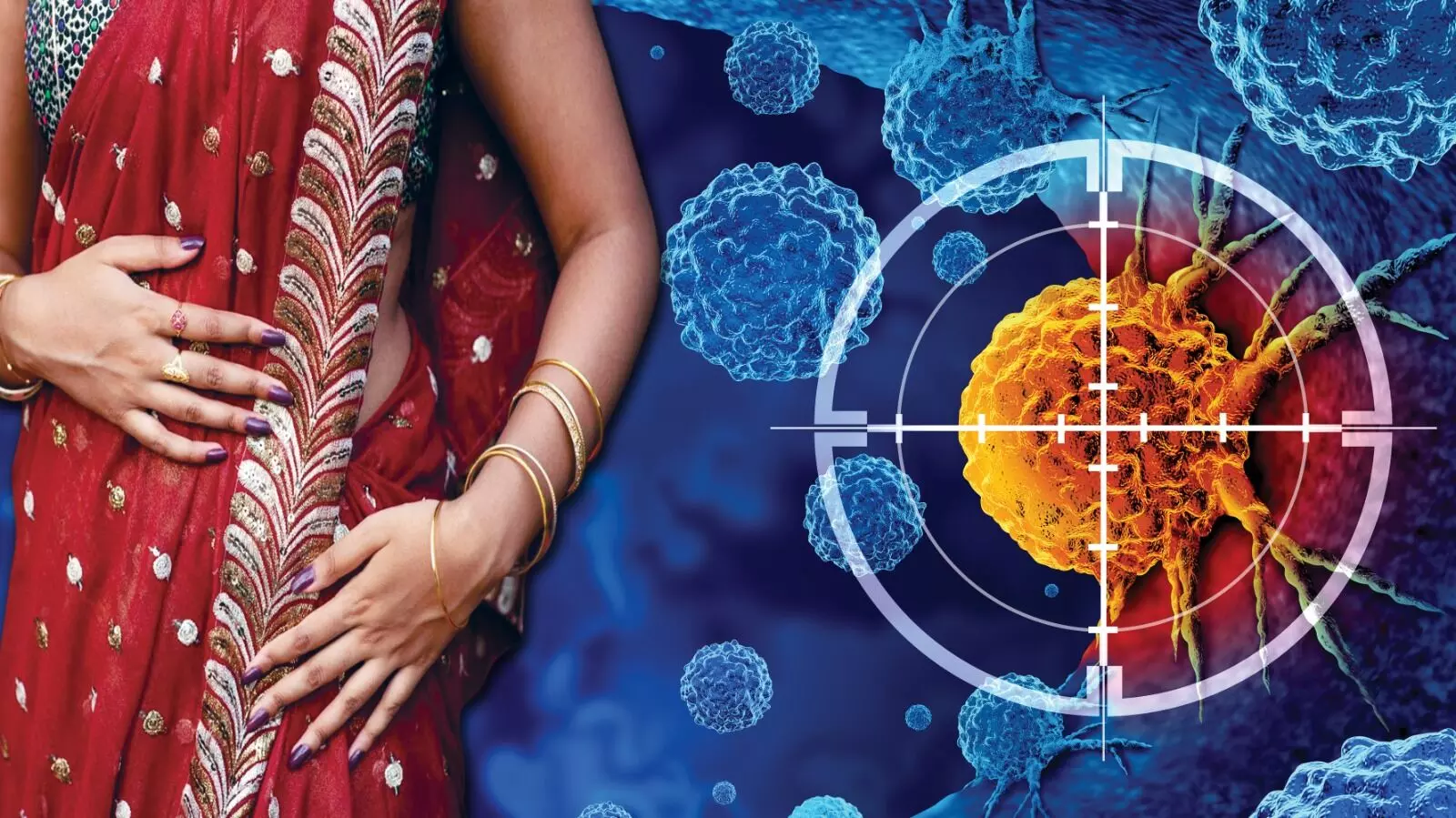
New Delhi, 10 November 2024: Skin cancer is increasingly becoming a major health concern worldwide, influenced by various factors. One often-overlooked element is our clothing, especially for women who often wear traditional garments like sarees. This article delves into how petticoats relate to skin cancer risk, highlighting five important reasons why this issue deserves attention and how raising awareness can lead to healthier fashion choices.
The Importance of Fabric for Skin Health
The fabric used in petticoats can significantly impact skin health. Many petticoats are crafted from synthetic materials that prevent the skin from breathing properly. This lack of airflow can result in skin irritation and an increased risk of developing various skin conditions, including cancer. Choosing natural fabrics like cotton or linen is generally a safer option since they’re more breathable and less likely to irritate the skin.
UV Exposure and Clothing Selections
Ultraviolet (UV) radiation exposure is a major factor in skin cancer risk. While sarees offer some level of coverage, the petticoat underneath often gets ignored. If a petticoat is made from thin, light-colored fabric, it may not provide sufficient protection from harmful UV rays. Over time, this exposure can lead to skin damage and raise the chances of developing skin cancer.
The Consequences of Skin Irritation
Wearing tight or poorly fitting petticoats can lead to skin irritation, result in rashes, or even cause infections. Ongoing skin irritation can compromise the skin’s protective barrier, making it more vulnerable to harmful elements like UV radiation. Recognizing the need for clothing that fits well and feels comfortable can help lessen the risk of skin-related problems.
The Role of Hygiene and Care
Maintaining good hygiene with petticoats is crucial for skin health. Many women might wear petticoats for long durations without changing, leading to a buildup of sweat and bacteria. This can result in skin infections, potentially raising the chances of skin cancer. Regular washing and opting for breathable fabrics can help lower these risks, enabling healthier skin.
The Importance of Awareness and Education
Promoting awareness about the potential dangers linked to petticoats and skin cancer is essential. Many women might not realize how their clothing choices can affect their skin health. Educational initiatives that inform women about fabric types, fit, and hygiene can empower them to make safer fashion decisions.
Opting for Safer Choices
To reduce the risk of skin cancer, women should consider petticoats made from natural, breathable materials. They should also pay attention to the fit and length of their petticoats to ensure comfort and minimize irritation. Wearing protective clothing over petticoats when exposed to sunlight can add another layer of defense against UV rays.
Why Regular Check-Ups are Important
Regular skin examinations are crucial for the early detection of skin cancer. Women who wear sarees and petticoats should stay vigilant in observing their skin for any unusual changes, such as new moles or variations in existing ones. Visiting a dermatologist for routine skin check-ups can help identify potential issues early on, leading to better outcomes.
Understanding the connection between petticoats and skin cancer risk is vital for women’s health. By paying attention to the materials they select, the fit of their clothing, and the significance of hygiene, women can take proactive measures to protect their skin. Education and awareness are essential tools in minimizing skin cancer risk and promoting overall skin health. As we continue to celebrate traditional attire, let’s also prioritize the well-being of our skin by making informed choices that protect our health.












Leave a comment