

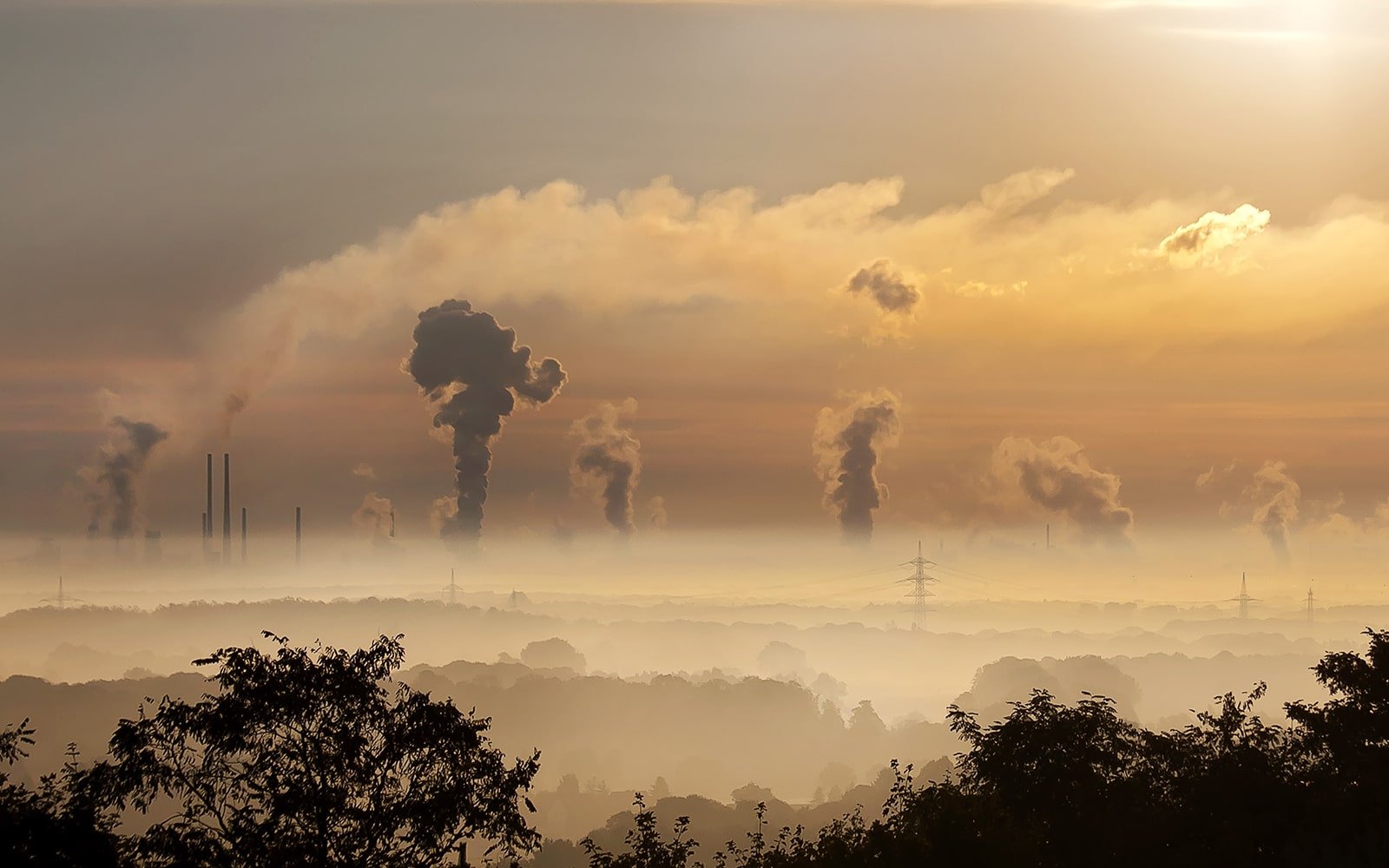
New Delhi, 15 June 2025: The increasing levels of ground-level ozone pollution are emerging as a serious public health concern across urban areas in India and globally. Ozone, a highly reactive gas composed of three oxygen atoms, is not emitted directly but is formed when nitrogen oxides (NOx) and volatile organic compounds (VOCs) react under sunlight. As cities grapple with heatwaves, traffic congestion, and industrial emissions, ozone formation is accelerating, leading experts to warn about its far-reaching health implications. Inhaling ozone can trigger a range of respiratory issues, aggravate existing health problems like asthma and bronchitis, and even lead to cardiovascular stress in sensitive individuals, especially children, the elderly, and those with pre-existing conditions.
What is Ground-Level Ozone and Why is it Dangerous for Human Health?
Unlike the ozone layer in the upper atmosphere that protects us from harmful ultraviolet radiation, ground-level ozone is a pollutant that forms close to the Earth’s surface. It is often referred to as “bad ozone” and is a major component of urban smog. When inhaled, ozone can penetrate deep into the lungs, causing inflammation and reducing lung function. According to pulmonologists, short-term exposure to high ozone levels can lead to chest pain, coughing, throat irritation, and airway inflammation. Long-term exposure can cause permanent damage to lung tissues and increase the risk of developing chronic respiratory diseases. The American Lung Association lists ozone as one of the most dangerous pollutants, particularly during summer months when sunlight intensifies the chemical reactions leading to its formation.
Heatwaves, Pollution, and Traffic: A Toxic Trio Fueling Ozone Spikes
Experts point out that the surge in ozone levels is not happening in isolation. It is closely tied to heatwaves and increasing vehicular and industrial emissions. During high temperatures, the sun’s ultraviolet rays accelerate the reactions between nitrogen oxides and VOCs, resulting in rapid ozone production. Urban centers like Delhi, Mumbai, Bengaluru, and Chennai are experiencing a dangerous mix of heat, stagnant air, and emissions that create a perfect environment for ozone buildup. Meteorologists warn that prolonged heat spells can lead to extended periods of high ozone levels, thereby increasing health risks significantly for urban populations. Moreover, peak traffic hours and poor ventilation in crowded cities intensify local ozone concentrations, putting commuters and outdoor workers at elevated risk.
Health Hazards of Ozone Exposure: Who is at Risk?
The health hazards of ozone exposure vary depending on individual susceptibility, duration of exposure, and concentration levels. Children, outdoor laborers, athletes, the elderly, and people with asthma, COPD, or cardiovascular diseases are especially vulnerable. In children, ozone exposure can stunt lung development and increase the risk of respiratory infections. For older adults, it can trigger arrhythmias and increase the likelihood of heart attacks or strokes. Medical experts also caution that even healthy adults may experience decreased lung function and higher respiratory sensitivity during high-ozone days, especially if they engage in vigorous physical activity outdoors. Hospitals often report an uptick in emergency room visits for breathing difficulty and asthma attacks during ozone spikes.
How to Protect Yourself from the Dangers of Ozone Pollution
While governments and environmental bodies must enforce stricter emission controls, individuals can take proactive measures to safeguard their health. On days when ozone levels are high, it’s best to limit outdoor activities, especially strenuous exercise during midday hours when ozone peaks. People with respiratory illnesses should monitor local air quality indexes (AQI) and keep medications like inhalers handy. Using air purifiers indoors, ensuring proper ventilation, and staying hydrated can help mitigate ozone’s effects. Wearing N95 masks may also offer partial protection when exposure is unavoidable. Experts stress that reducing vehicular usage, promoting public transport, and avoiding activities that release VOCs—such as using strong solvents or paints during hot days—can contribute to lowering ozone levels collectively.
In light of increasing heatwaves and worsening air quality, addressing ground-level ozone must become a top public health and environmental priority. Policymakers need to strengthen emission regulations, promote cleaner fuels, and enhance urban green cover to absorb pollutants. Public awareness campaigns about the health impacts of ozone and real-time alerts can empower citizens to make safer daily choices. Scientists are also urging improved air quality monitoring infrastructure and data transparency to better track ozone trends and pre-empt health crises. As the climate crisis accelerates, unchecked ozone pollution will only grow more deadly—making immediate and coordinated action the need of the hour.
















Leave a comment