

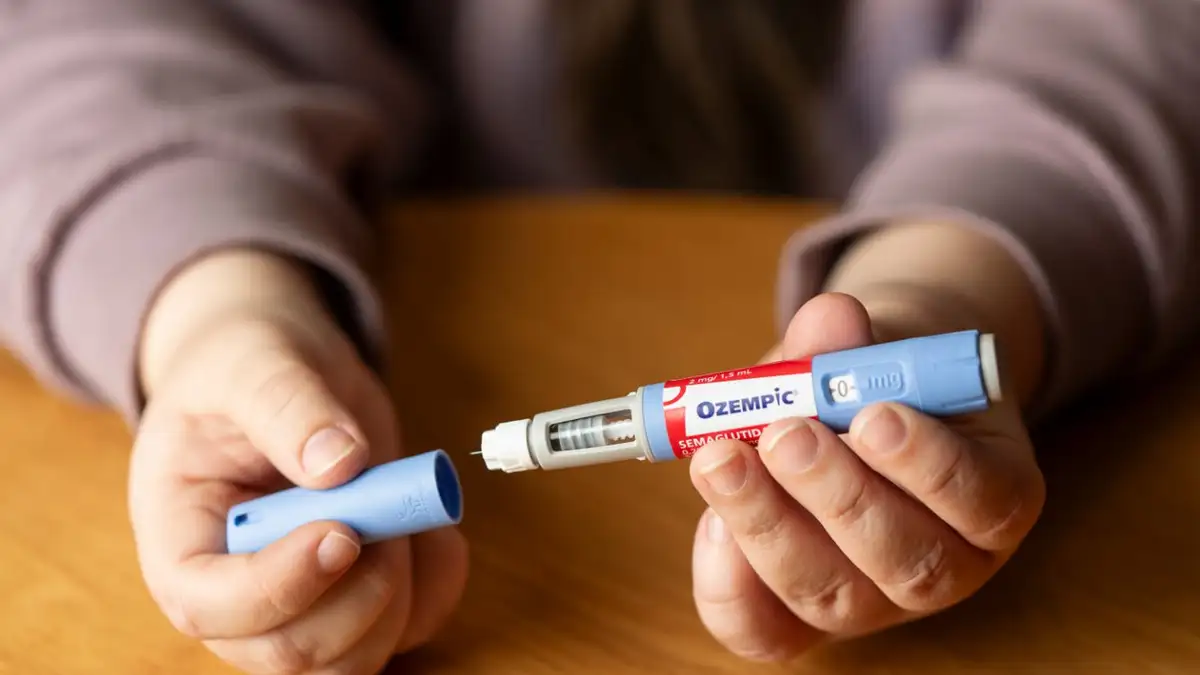
New Delhi, 13 August 2025: Weight loss medications like Ozempic, Wegovy, and other GLP-1 receptor agonists have gained massive popularity for their effectiveness in helping individuals lose significant weight and manage type 2 diabetes. But a new study is raising red flags about a lesser-known risk: these drugs may be linked to rare but serious eye conditions, including non-arteritic anterior ischemic optic neuropathy (NAION) — a condition that can cause sudden vision loss.
As millions turn to these medications for quick and effective weight management, experts now caution that patients and physicians must be fully aware of the potential risks, including those that affect vision and eye health.
What Are GLP-1 Receptor Agonists Like Ozempic and Wegovy?
Drugs like Ozempic (semaglutide) and Wegovy are part of a class of medications known as GLP-1 receptor agonists. Originally developed to manage type 2 diabetes, these drugs mimic a natural hormone (GLP-1) that:
- Stimulates insulin release
- Reduces appetite
- Slows digestion
Due to their ability to induce weight loss, they’ve recently been approved or prescribed off-label for obesity management, even in non-diabetic patients.
Eye Risk Associated With Ozempic
A new study from researchers at Massachusetts Eye and Ear, affiliated with Harvard Medical School, looked at data from thousands of patients who were prescribed GLP-1 medications for weight loss or diabetes. What they found shocked many in the medical community:
- Patients taking semaglutide had a significantly increased risk of developing NAION.
- NAION is a rare condition, but it is the second most common cause of optic nerve-related vision loss after glaucoma.
- The condition is irreversible in most cases and affects the optic nerve, leading to partial or complete vision loss, often in one eye.
Key Findings:
- People on semaglutide were more than four times as likely to develop NAION compared to those not on the drug.
- The risk appeared to be dose-dependent, meaning higher doses used for weight loss posed a greater threat than those used for diabetes.
What is NAION? A Look at the Eye Condition
Non-arteritic anterior ischemic optic neuropathy (NAION) is caused by reduced blood flow to the optic nerve. Unlike more common vision problems like cataracts or glaucoma, NAION comes on suddenly and without pain, typically during sleep or early morning hours.
Symptoms of NAION Include:
- Sudden vision loss in one eye
- Blurred or dim vision
- Visual field loss (like a shadow or curtain over part of the visual field)
- No eye pain
Unfortunately, there is no proven treatment to restore vision lost from NAION, which makes early detection and prevention critical.
Why This Risk Matters Now More Than Ever
The timing of this study is crucial. As of 2025, millions of people worldwide are using semaglutide-based drugs for weight loss. With celebrities and influencers praising these medications, there has been a rapid surge in demand, especially among those without diabetes.
“People assume these are miracle weight loss drugs. But what they don’t realize is that these medications were not originally designed for healthy individuals looking to slim down,” said one of the study’s authors.
While these drugs are effective in helping with weight loss, experts now urge better patient screening, especially for those with existing eye conditions or a family history of optic nerve issues.
Who Is Most at Risk?
The study notes that certain individuals may have a higher baseline risk for NAION, including:
- People over 50 years old
- Individuals with high blood pressure or diabetes
- Those with sleep apnea
- People with a history of cardiovascular disease
- Those who already have vision problems
For these patients, starting a GLP-1 medication should involve thorough risk evaluation and informed consent.
FDA and Manufacturer Response
While the U.S. Food and Drug Administration (FDA) has not issued any new warnings related to semaglutide and eye health, the recent findings may prompt further investigation. As of now, NAION is not listed as a known side effect on Ozempic or Wegovy labels.
Novo Nordisk, the manufacturer of both Ozempic and Wegovy, responded to the study stating that patient safety is their highest priority, and that they continuously monitor for any emerging safety signals.
What Should Patients Do Now?
If you’re currently taking Ozempic, Wegovy, or similar GLP-1 medications, don’t panic — the risk of NAION remains low overall. But awareness is key.
Here are steps you can take:
- Consult your doctor: Especially if you experience any changes in vision, no matter how mild.
- Get a baseline eye exam: Before starting semaglutide, especially if you have underlying health issues.
- Monitor side effects: Report any visual disturbances immediately.
- Maintain regular eye checkups: Early detection of eye conditions can help manage risk.
- Avoid self-prescribing: Only take these medications under the guidance of a qualified healthcare provider.
Balancing Benefits and Risks
There’s no denying that semaglutide-based drugs offer life-changing benefits for people struggling with obesity or diabetes. However, as their use expands to a wider audience — including those using them solely for cosmetic weight loss — the importance of long-term safety studies becomes clear.
As with all medications, the key is informed decision-making. Patients must weigh the benefits of weight loss with potential risks, especially when side effects involve irreversible vision loss.
The discovery of a link between Ozempic and rare but serious eye conditions like NAION is a sobering reminder that even breakthrough medications come with risks. This study emphasizes the importance of ongoing research, patient education, and medical supervision, especially as powerful weight loss drugs become widely accessible.
As public interest in Ozempic and other GLP-1 drugs continues to rise, staying informed and cautious is your best defense. If you’re on or considering these medications, be proactive — talk to your doctor, get your eyes checked, and make your health decisions with the full picture in view.












Leave a comment