

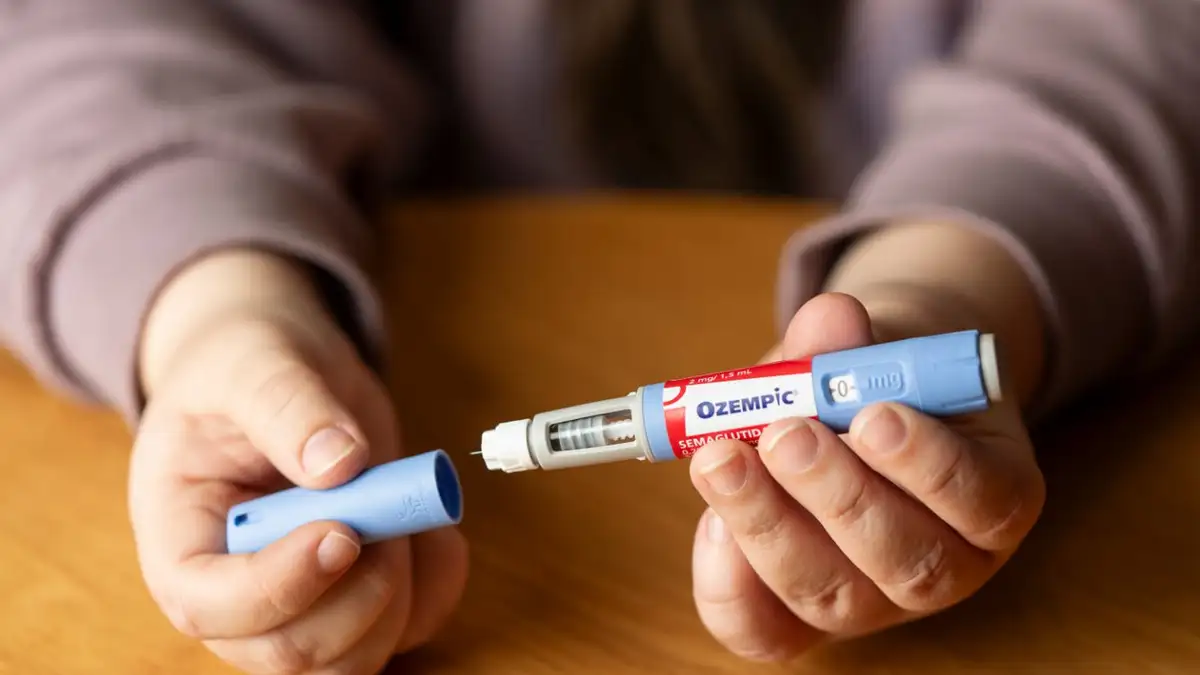
New Delhi, 07 May 2025: In recent years, Ozempic (semaglutide) has gained popularity as a game-changing medication for type 2 diabetes and weight loss. But now, scientists are exploring its potential benefits beyond blood sugar control. According to a new study, Ozempic may also offer hope for patients suffering from non-alcoholic fatty liver disease (NAFLD)—a condition that affects millions globally and can lead to Liver Disease, scarring, and even cirrhosis. So, can Ozempic reverse liver disease? The latest findings hold promising answers.
What Is Ozempic?
Ozempic is a once-weekly injectable GLP-1 receptor agonist, commonly prescribed to manage type 2 diabetes. It works by stimulating insulin production, reducing appetite, slowing down gastric emptying, and supporting weight loss. Its effectiveness in controlling blood sugar levels and aiding in weight reduction has already made it a household name. Now, researchers are turning their attention to its impact on liver health.
Understanding Non-Alcoholic Fatty Liver Disease (NAFLD)
NAFLD is a condition where fat accumulates in the liver, not due to alcohol use, but often due to obesity, insulin resistance, metabolic syndrome, or type 2 diabetes. If left untreated, NAFLD can progress to a more severe condition known as non-alcoholic steatohepatitis (NASH), which includes liver inflammation and fibrosis.
NAFLD is one of the most common chronic liver conditions worldwide, affecting up to 25% of the global population. Alarmingly, there are currently no FDA-approved medications specifically for its treatment—making research into new options like Ozempic even more crucial.
The New Study: Can Ozempic Reverse Liver Damage?
A groundbreaking study published in The New England Journal of Medicine investigated the effects of semaglutide (Ozempic) on liver fat and fibrosis in patients diagnosed with NASH. The study included 320 participants with confirmed NASH and stage 1-3 liver fibrosis. These participants received weekly doses of semaglutide over a 72-week period.
What Did The Study Find?
Liver fat reduction: Over 59% of patients receiving Ozempic showed significant reductions in liver fat content.
NASH resolution: 36% of patients experienced complete resolution of NASH without worsening fibrosis.
Fibrosis improvement: Nearly 43% showed improvement in liver fibrosis by at least one stage.
Weight loss benefits: Patients lost an average of 10% of their body weight—one of the major risk factors for NAFLD.
How Does Ozempic Help the Liver?
The positive effects of Ozempic on liver disease can attributed to several mechanisms:
Improved insulin sensitivity: Reduced insulin resistance helps decrease fat accumulation in liver cells.
Weight loss: Shedding excess body fat plays a critical role in reversing fatty liver conditions.
Anti-inflammatory effects: GLP-1 receptor agonists have shown to reduce inflammation, which is a key driver in the progression of NASH.
Expert Opinions on Ozempic for Liver Disease
Dr. Michael Klein, a hepatologist at the University of California, commented on the study:
“These findings are incredibly promising. We’ve long needed an effective treatment for NASH, and Ozempic’s ability to target both metabolic and liver pathways offers a dual benefit.”
However, he also emphasized that more long-term studies needed to determine whether Ozempic can prevent cirrhosis or liver failure in the future.
FDA Approval and Future Outlook
Currently, Ozempic not FDA-approved specifically for the treatment of NAFLD or NASH, but these new results could pave the way for expanded indications. Several pharmaceutical companies are now launching phase 3 trials to further evaluate semaglutide’s role in reversing liver disease.
Who Should Consider Ozempic for Liver Health?
While Ozempic shows promise, it should not used off-label without medical supervision. It may considered for patients who:
Have type 2 diabetes and co-existing NAFLD or NASH
Are obese with signs of fatty liver disease
Require both blood sugar and weight management
Always consult your doctor or a hepatologist before starting Ozempic for liver-related issues.
As science continues to unravel the full potential of GLP-1 drugs, Ozempic may become a powerful ally in the fight against one of the most prevalent liver conditions in the world.











Leave a comment