

A recent study has highlighted a concerning issue in India’s healthcare system. Over 60% of fixed-dose combination (FDC) drugs used to treat mental health disorders in India are “unapproved” and lack proven therapeutic value, according to a report by The Print. This alarming finding comes as the nation’s top drug regulatory body intensifies its crackdown on these unapproved drugs.
Findings from the Study
The study, published this month in the Journal of Pharmaceutical Policy and Practice, involved researchers from the UK, India, and Qatar. Their research found that unapproved FDCs made up 60.3% of psychotropic FDC sales in 2020. While this is a slight decrease from 69.3% in 2008, it still represents a significant issue in the Indian pharmaceutical market.
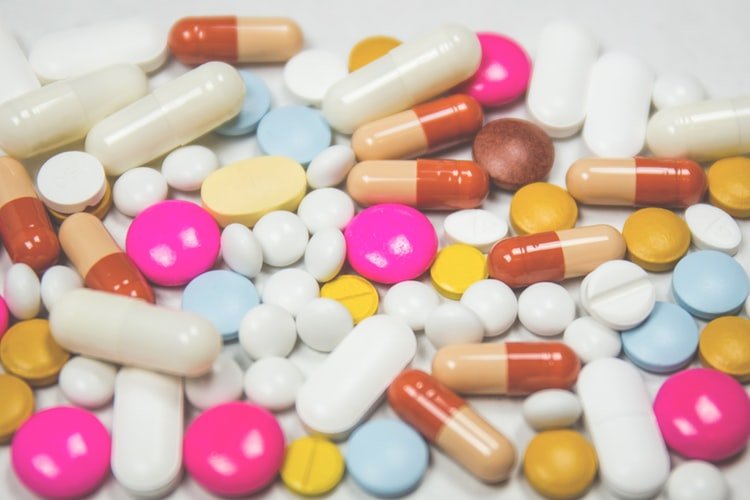
Fixed-dose combination drugs are blends of two or more drugs in a single pharmaceutical form, such as a capsule or tablet. In India, many of these drugs are available without approval from the Central Drugs Standard Control Organisation (CDSCO). Instead, they are approved for manufacture by state authorities, often without sufficient proof of their safety and efficacy.
Concerns Over Unapproved FDCs
The study raised serious concerns about the widespread marketing of psychotropic FDCs in India. Despite their exclusion from Indian clinical guidelines, minimal evidence supporting their benefits, and concerns about potential harm, these drugs continue to be heavily promoted in the country. Moreover, their usage is limited in other markets, making their prevalence in India particularly concerning.
The persistence of unapproved FDC drugs in the market is troubling, as these drugs have not undergone rigorous evaluations to confirm their safety and effectiveness. The researchers emphasized that these drugs could pose significant risks to patients who rely on them for mental health treatment.
Expert Opinion on the Issue
Ashna Mehta, a health economist and co-author of the study, pointed out that the issue of unapproved FDCs in India is not new. “The issue of unapproved FDCs in India is well-known,” she said. Despite various attempts by the drug regulator to eliminate these drugs from the market, they continue to be widely available. This ongoing challenge suggests that more robust measures are needed to protect public health.
Government Crackdown on FDC Drugs
In a related development, the Indian government recently imposed a ban on 156 additional fixed-dose combination (FDC) drugs, citing potential risks to human health. This action marks the most significant crackdown on FDC drugs since 2018 when 344 such combinations were banned for being “irrational.”
The recent ban, announced on August 12, includes several widely available antibiotics, as well as drugs for treating fever, allergies, colds, skin disorders, and pain. The ban also targets combinations of commonly used active pharmaceutical ingredients (APIs) with herbs like ginkgo biloba and formulations that mix vitamins and enzymes.
Additionally, the government prohibited multi-enzyme complexes containing up to 12-15 enzymes and over 20 formulations containing naphazoline, a decongestant commonly found in eye drops.
This ban is a critical step in addressing the widespread issue of unapproved FDC drugs in India, but it also underscores the need for ongoing vigilance and enforcement to protect the health of millions of Indians.















Leave a comment