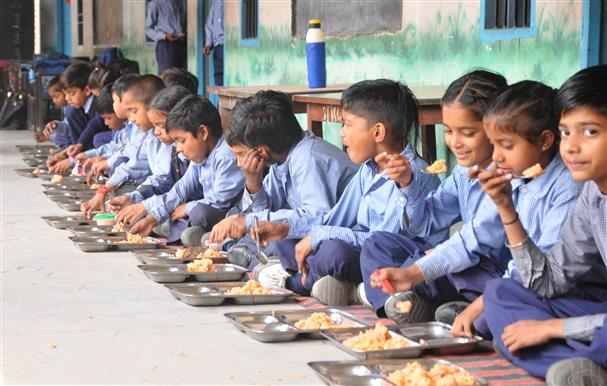
More than 20 students were hospitalised after reportedly falling ill following the consumption of a midday meal at a government school in Telangana, prompting an official inquiry into food safety and hygiene standards under the school nutrition programme.
Health officials confirmed that the affected students complained of vomiting, stomach pain, nausea, and weakness soon after eating the meal. All students were rushed to nearby government hospitals, where they are currently under observation. Authorities said the children are clinically stable, and food samples have been collected for testing.
What Likely Caused the Illness?
Doctors say such outbreaks are typically linked to food contamination, which may occur due to:
- Improper storage of cooked food
- Use of contaminated water
- Inadequate cooking or reheating
- Poor hygiene during food preparation
Children are especially vulnerable to foodborne illnesses because of their lower immunity and higher risk of dehydration.
Common Symptoms of Food Poisoning in Children
According to medical experts, food poisoning can present within a few hours to two days of consuming contaminated food. Symptoms include:
- Repeated vomiting
- Loose motions
- Abdominal cramps
- Fever
- Fatigue and dizziness
Severe cases may lead to electrolyte imbalance and dehydration, requiring hospitalisation.
Medical Treatment Is the First Line of Care
Doctors treating the students said immediate medical intervention is crucial in such cases. Treatment generally involves:
- Oral or intravenous fluids
- Monitoring vital signs
- Symptom control medications
- Antibiotics only if bacterial infection is suspected
Health experts stress that home remedies or traditional treatments should not delay hospital care, particularly during mass food poisoning incidents involving children.
Ayurvedic Support After Stabilisation: What Experts Say
Once patients are stabilised and symptoms are under control, some doctors say Ayurvedic dietary measures may support digestive recovery—only as an adjunct and under professional guidance.
These may include:
- Light, warm foods to support digestion
- Jeera (cumin) water for bloating
- Ginger for nausea
- Buttermilk (takra) to help restore gut balance
Experts caution that such measures are not substitutes for medical treatment and should be avoided during acute illness.
Midday Meal Scheme Under Scrutiny
The incident has once again brought attention to food safety protocols under the midday meal scheme, which feeds millions of schoolchildren daily. Officials said inspections are underway to determine:
- Food quality and storage conditions
- Kitchen hygiene practices
- Accountability of staff and suppliers
Public health experts have repeatedly called for stricter monitoring and regular audits to prevent similar incidents.
What Parents Should Know
Doctors advise parents to seek immediate medical help if children show:
- Persistent vomiting or diarrhoea
- High fever
- Signs of dehydration
- Extreme weakness or confusion
Early intervention significantly reduces the risk of complications.
While midday meals play a crucial role in addressing nutrition and school attendance, incidents like this highlight the importance of strict food safety enforcement. Preventing food poisoning requires systemic vigilance, not reactive treatment.
The Telangana school incident underscores the serious health risks posed by food contamination, especially among children. Medical treatment remains the cornerstone of care, while traditional dietary practices may play a limited supportive role during recovery. Authorities say findings from the investigation will determine further action.