

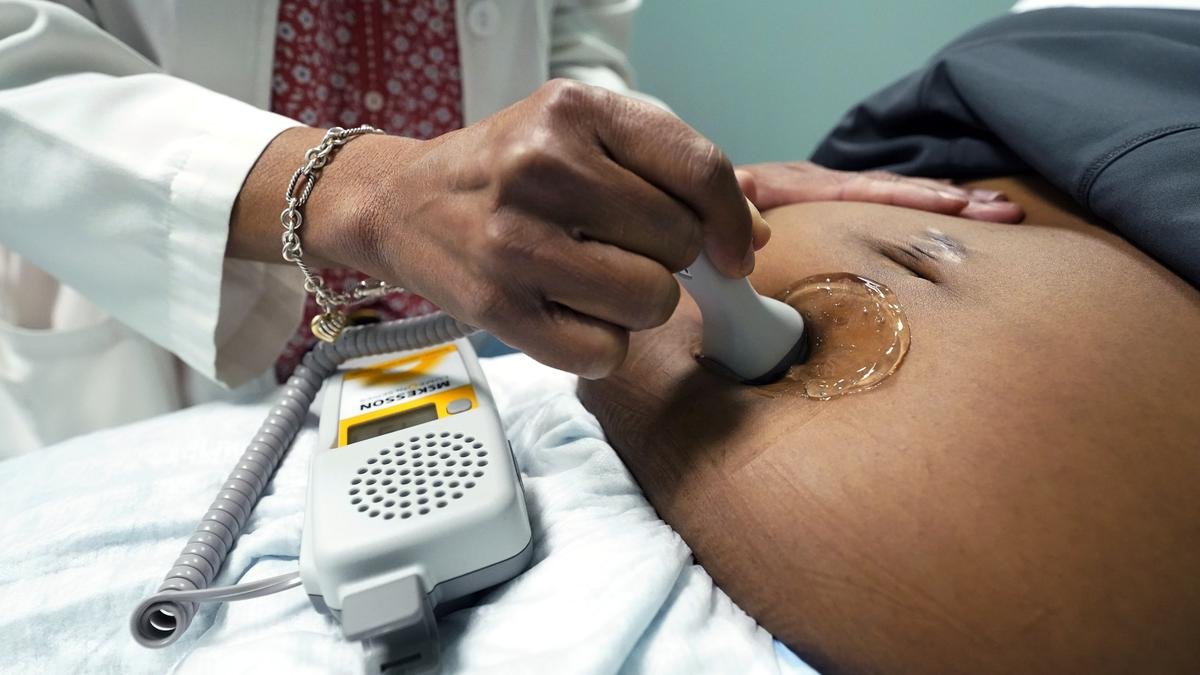
Odisha Electricity Regulatory Commission has decreed a noteworthy reduction of 10 paise per unit in the retail supply tariff for electricity within the domestic category across all slabs. Simultaneously, Chief Minister Naveen Patnaik has given his nod to a significant enhancement in maternity benefits under the state-specific Mamata scheme, doubling the benefit from ₹5,000 to ₹10,000 for pregnant women and lactating mothers.
This amplified maternity benefit will be retroactively applicable from August 2023, and the outstanding sums are slated to be disbursed to eligible beneficiaries between February 20 and 25. The Mamata scheme outlines a systematic approach to disburse the assistance directly to the beneficiaries’ accounts in two installments. The initial ₹6,000 installment will be provided after six months of pregnancy, with the subsequent ₹4,000 installment becoming accessible after the baby reaches 10 months of age. The scheme is available for all pregnant women above 19 years of age, and the assistance can be availed for up to two children.
Initiated in 2011 by Chief Minister Naveen Patnaik to curtail maternal and child mortality, the Mamata scheme has become a model adopted at the national level. Notably, it has positively impacted more than 60 lakh pregnant women and mothers since its inception, with a substantial financial infusion of ₹2,900 crores into the bank accounts of beneficiaries by the State government.
The Mamata scheme’s recent expansion includes the decision to provide the allowance to mothers from 13 Particularly Vulnerable Tribal Groups (PVTG) for each pregnancy. This decision arose following a demand for an increase in the allowance during a district visit by V.K. Pandian, Chairman of the 5T Initiative, emphasizing the scheme’s adaptability and responsiveness to evolving needs.
Shifting focus to the electricity sector, the Odisha Electricity Regulatory Commission’s directive to reduce the retail supply tariff by 10 paise per unit, specifically in the domestic category across all slabs, signifies a concerted effort to alleviate the financial burden on consumers. Moreover, the fixed monthly charge for Below Poverty Line consumers has been reduced from ₹80 to ₹70 per month.
In alignment with contemporary trends and eco-conscious measures, consumers opting for e-bills will receive a ₹10 rebate per bill. Notably, the green energy tariff premium has been revised downward from 25 paise per unit to 20 paise per unit, reflecting a commitment to incentivize environmentally friendly choices. The tariff for electric vehicle charging has also been slashed from ₹5.50 per unit to ₹5 per unit, promoting the adoption of electric vehicles.
Furthermore, recognizing the significance of cold storage in preserving perishable goods, the tariff for cold storage has witnessed a substantial reduction by ₹1.60 per unit, dropping from ₹4.60 per unit to ₹3 per unit. This reduction in cold storage tariffs aligns with the broader strategy to support agricultural and food storage infrastructure.
In conclusion, these recent policy measures in Odisha, encompassing both the social welfare-oriented Mamata scheme and the consumer-centric electricity tariff adjustments, underscore the state’s commitment to inclusive development and responsive governance. The Mamata scheme’s expansion and the electricity tariff revisions collectively contribute to a comprehensive and balanced approach to address the diverse needs of the populace.















Leave a comment