

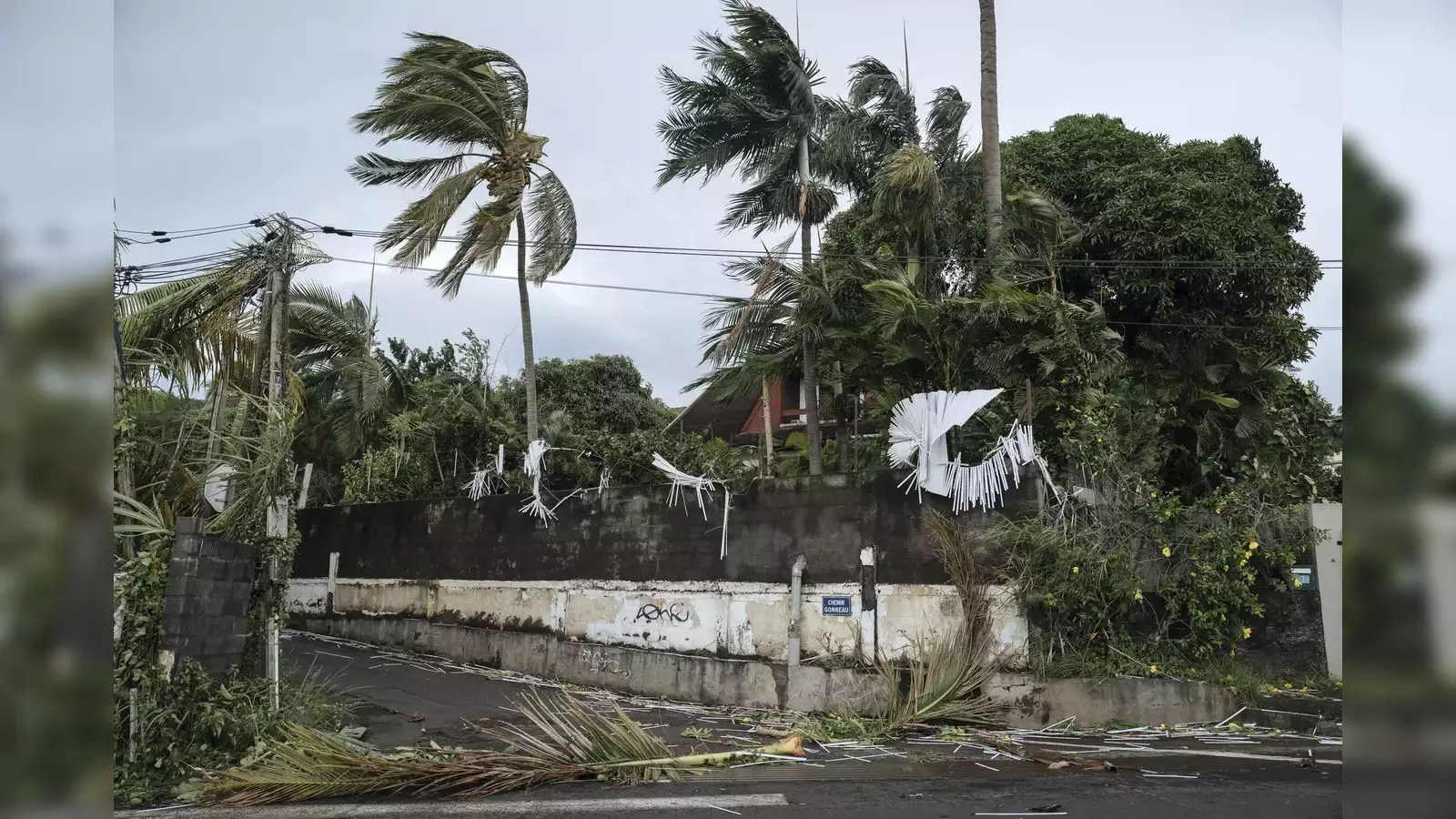
New Delhi, 01 June 2025: In a devastating turn of events, torrential rains have wreaked havoc across several northeastern states of India, leading to massive floods, landslides, and a rising death toll. According to official reports, 30 people have lost their lives in just two days as water levels continue to rise, forcing thousands to flee their homes. The relentless downpour has triggered widespread panic, displacement, and a looming health emergency due to fears of disease outbreaks and contaminated water supplies.
States Worst Affected by the Floods
The states of Assam, Arunachal Pradesh, Meghalaya, Manipur, and Nagaland have been hit hardest. Assam alone has reported more than 15 deaths, while landslides and flash floods have claimed lives and caused extensive infrastructure damage in the hilly terrains of Arunachal Pradesh and Meghalaya.
The Brahmaputra River and its tributaries are flowing above the danger mark in several districts, flooding villages, farmlands, and roads. Entire communities have been cut off from basic amenities, and rescue teams are battling dangerous conditions to reach the worst-affected areas.
Death Toll Rising: 30 Lives Lost in 48 Hours
The sudden and severe nature of the floods has taken a deadly toll. Over the past 48 hours:
- 15 people died due to drowning and electrocution in Assam.
- 6 were killed in landslides in Meghalaya and Arunachal Pradesh.
- 9 people, including children, lost their lives in flash floods and house collapses in remote villages.
Authorities fear that the death toll may rise further as many regions remain inaccessible and communication lines are down.
Massive Displacement and Humanitarian Crisis
More than 1.2 lakh people have been displaced across the flood-hit states. Temporary relief camps have been set up in schools and government buildings, but overcrowding, poor sanitation, and lack of clean drinking water have raised alarms over the potential outbreak of water-borne diseases like cholera, typhoid, and gastroenteritis.
Relief efforts are being hampered by submerged roads, broken bridges, and washed-away communication lines. In some areas, airdropping of food and medical supplies has begun, with the National Disaster Response Force (NDRF), Army, and local police involved in non-stop rescue operations.
Floods Spark Fear of Disease Outbreak and Health Crisis
The post-flood health risks are mounting rapidly. Doctors and public health experts warn that the combination of stagnant water, rotting debris, dead livestock, and poor hygiene in relief camps could lead to a deadly disease outbreak if preventive measures are not taken immediately.
Medical teams on the ground are reporting:
- Sudden rise in diarrheal cases in parts of Assam.
- High risk of malaria and dengue due to waterlogged areas.
- Increasing cases of skin infections and respiratory problems due to exposure to contaminated water and damp conditions.
The Ministry of Health has sent rapid response teams with medicines, mobile clinics, and water purification tablets, but access remains a challenge.
Schools and colleges across multiple districts in Assam, Arunachal Pradesh, and Meghalaya have been ordered shut indefinitely. Railway services have been suspended due to submerged tracks and landslide-affected sections. Road transport has come to a near halt with key highways either flooded or damaged.
Power outages, disrupted internet and mobile networks are adding to the chaos, leaving families unable to contact loved ones or call for help.
Climate Change Link: Experts Warn of Increasing Frequency of Extreme Weather
Environmental scientists and climate experts have once again pointed to climate change as a major factor behind the increasing intensity of rainfall and floods in Northeast India. The region, known for its fragile ecosystem, is experiencing erratic monsoons, heavier cloudbursts, and extreme weather events with growing frequency.
According to the India Meteorological Department (IMD), over 400 mm of rainfall was recorded in just 48 hours in some parts of Assam and Meghalaya — a clear sign of climate volatility. Experts warn that without sustainable development, improved drainage systems, and robust flood control measures, such disasters will only grow worse.
The state governments have announced ex-gratia payments for the families of those killed in the floods and landslides. The Prime Minister’s Office (PMO) is closely monitoring the situation, and the Union Home Ministry has pledged all necessary support, including the deployment of additional NDRF teams.
A 24×7 control room has been set up to coordinate rescue operations and public advisories. Helicopters and boats are being used to evacuate people from marooned villages, while food, water, blankets, and medicine are being distributed in high-priority zones.
How to Stay Safe During Floods: Public Health Advisory
Authorities have issued important guidelines to help residents protect themselves during and after floods:
- Avoid drinking tap water; use boiled or purified water only.
- Stay indoors unless absolutely necessary.
- Do not walk or drive through floodwaters.
- Report symptoms like fever, vomiting, or diarrhea immediately to health workers.
- Use mosquito nets and repellents to prevent malaria and dengue.
The horrifying images of submerged villages, grieving families, and exhausted rescue teams serve as a grim reminder of the vulnerability of India’s Northeast to extreme weather events. With 30 lives lost in just two days, and fears of disease and further devastation rising, this flood tragedy underscores the urgent need for climate resilience, better infrastructure, and faster emergency response systems.
As thousands wait for help, the focus now must shift to saving lives, preventing disease outbreaks, and rebuilding communities before another disaster strikes.
















Leave a comment