

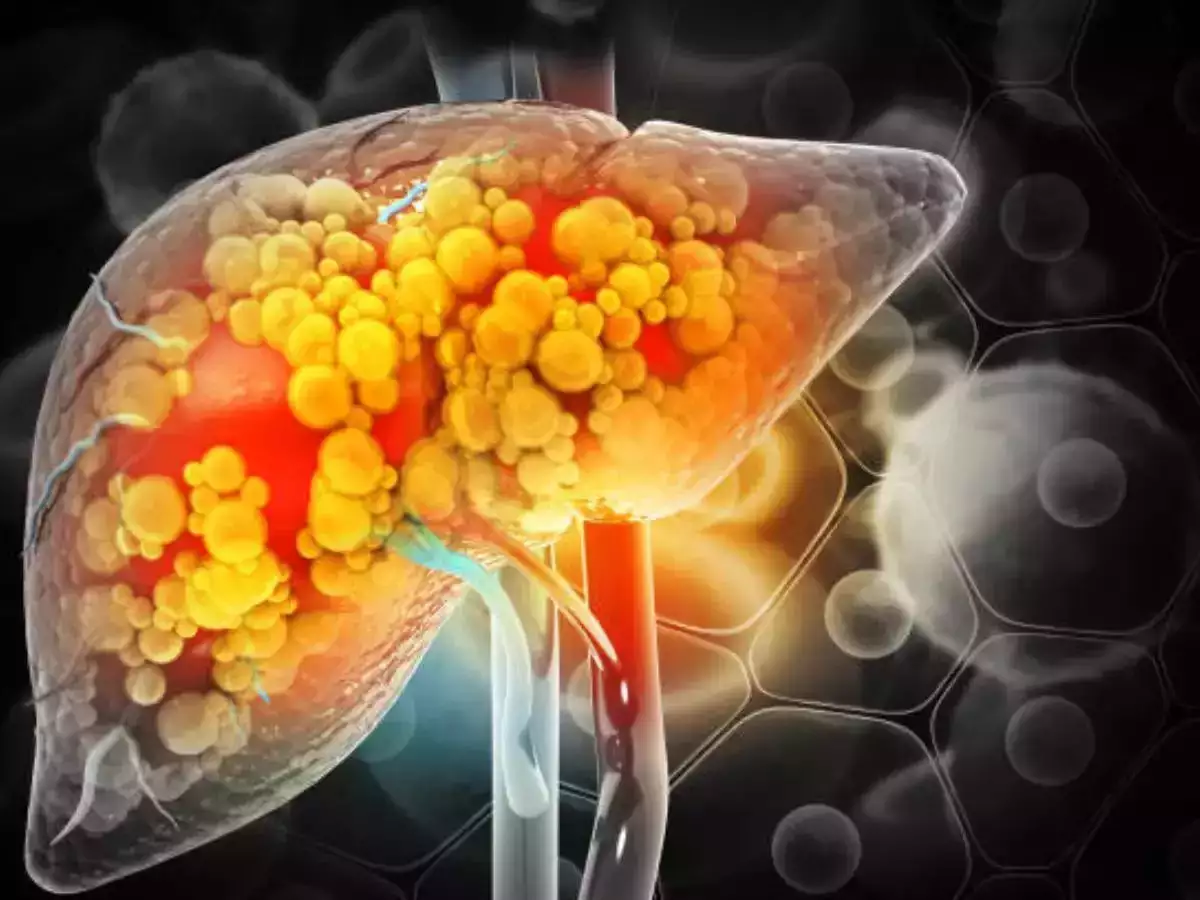
New Delhi, 23 August 2025: Fatty liver disease, particularly non-alcoholic fatty liver disease (NAFLD), is often considered a liver-specific issue. However, recent research highlights a far deeper concern—individuals with NAFLD are significantly more likely to develop heart failure, even in the absence of traditional cardiovascular risk factors.
This condition, affecting millions worldwide, has now been linked to increased risk of heart failure with preserved ejection fraction (HFpEF)—a type of heart failure that can be particularly challenging to manage. This finding is reshaping how both liver and heart health are viewed in the medical community.
How Strong Is the Connection?
Multiple large-scale studies have confirmed a consistent association between NAFLD and heart failure. Even after accounting for common contributors such as obesity, diabetes, and hypertension, the data shows a significantly higher risk of heart failure in those with NAFLD.
Surprisingly, even mild forms of fatty liver—without fibrosis or scarring—can contribute to this elevated risk. In long-term observations, people with NAFLD were found to have a 30-35% higher chance of developing heart failure over a 10-year period than those without the condition.
What’s most striking is that this risk was observed across genders, age groups, and health conditions, making it clear that NAFLD is not a benign condition—it has broad implications for overall health, particularly the heart.
Why Fatty Liver Affects the Heart
Understanding why NAFLD increases the risk of heart failure comes down to a range of biological interactions. Here are the primary mechanisms involved:
- Chronic Inflammation: Fat accumulation in the liver triggers a long-term inflammatory response, which affects the blood vessels and heart muscle.
- Insulin Resistance: NAFLD is closely tied to insulin resistance, which contributes to both diabetes and cardiovascular damage.
- Altered Heart Structure: Inflammatory markers and metabolic imbalances from NAFLD can lead to thickening and stiffening of the heart muscle—a hallmark of HFpEF.
- Increased Fat Around the Heart: Excess liver fat often comes with epicardial fat, which collects around the heart and interferes with its electrical and mechanical function.
- Oxidative Stress: Damage caused by free radicals accelerates the deterioration of heart tissue and increases the likelihood of heart failure.
All of these factors compound over time, making the heart less efficient and more prone to long-term complications.
Understanding the Types of Heart Failure
Heart failure is not a one-size-fits-all diagnosis. NAFLD has been most strongly linked with heart failure with preserved ejection fraction (HFpEF)—a condition where the heart pumps normally but is too stiff to fill properly.
HFpEF is more difficult to treat than other forms of heart failure. Many patients with HFpEF remain undiagnosed until they develop severe symptoms such as shortness of breath, swelling in the legs, or chronic fatigue. The emerging link between NAFLD and HFpEF gives clinicians a critical early marker to screen and monitor.
Who Is at Risk?
You may be at increased risk if you:
- Are overweight or obese
- Have type 2 diabetes
- Have metabolic syndrome (high blood pressure, abnormal cholesterol, high blood sugar)
- Follow a sedentary lifestyle
- Consume a diet high in processed foods and sugar
Notably, you don’t need to drink alcohol to develop fatty liver disease. Many people with NAFLD lead relatively healthy lifestyles and still develop the condition, making regular screenings and awareness critical.
Prevention: A Two-in-One Strategy
The good news is that the same steps that prevent or treat fatty liver disease also support heart health. Here’s how to reduce your risk:
- Adopt a Mediterranean-style diet: This diet, rich in vegetables, fruits, whole grains, lean protein, and healthy fats, has been shown to reduce liver fat and cardiovascular risk.
- Exercise Regularly: Aim for at least 150 minutes of moderate aerobic activity per week. Resistance training also helps reduce visceral and liver fat.
- Maintain a Healthy Weight: Losing just 5-10% of your body weight can significantly reduce liver fat and improve heart markers.
- Limit Sugar and Refined Carbs: These are major contributors to liver fat and insulin resistance.
- Manage Blood Sugar and Blood Pressure: Work with a healthcare provider to keep these levels in check.
- Avoid Unnecessary Medications or Supplements: Some medications may contribute to liver stress. Always consult a doctor before starting new treatments.
Treatment Innovations: From Prevention to Surgery
In severe cases, fatty liver disease can lead to cirrhosis or even liver failure. But for many, early intervention through diet, lifestyle changes, and medications can reverse the condition and improve heart health.
New treatments targeting inflammation, oxidative stress, and metabolic imbalance are also being developed. Although not widely available yet, future therapies could help reduce the dual burden of liver and heart disease.
For individuals who do develop heart failure, especially HFpEF, early diagnosis and customized management are key. This includes medications to manage blood pressure, reduce fluid buildup, and improve heart relaxation.
Why Early Screening Matters
Despite its growing prevalence, NAFLD often goes undiagnosed because it typically has no symptoms in the early stages. Routine liver function tests and imaging such as ultrasound or fibroscan can help identify fat accumulation in the liver before symptoms arise.
Similarly, early markers of heart failure—shortness of breath, fatigue, swollen legs—should never be ignored. If you have fatty liver disease and experience these symptoms, it’s crucial to get a cardiovascular evaluation.
Non-alcoholic fatty liver disease is far more than a liver condition—it’s a predictor of serious cardiovascular problems, particularly heart failure. As the understanding of NAFLD evolves, so must our approach to health screening and prevention.
By taking proactive steps—eating well, staying active, and monitoring metabolic health—individuals can protect not just their liver, but also their heart and overall quality of life.
What this growing body of evidence tells us is simple: your liver and heart are more connected than you think. Treating one means protecting the other.









Leave a comment