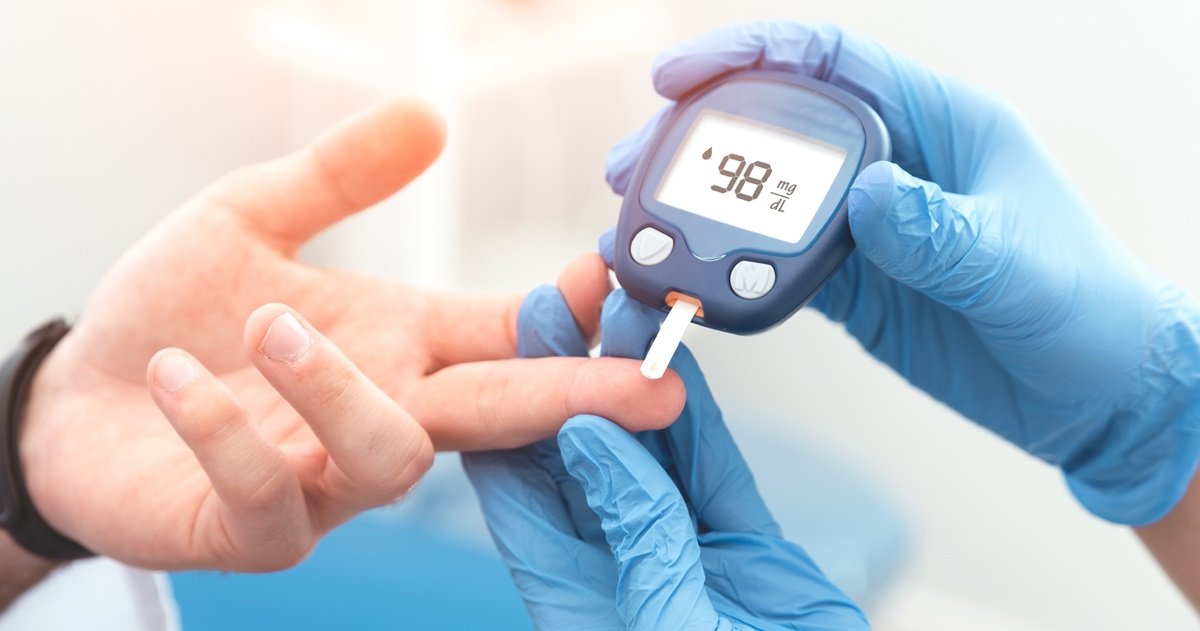
A new study has sparked major interest in the medical community after finding that some widely used diabetes medications may do more than just control blood sugar — they could also significantly reduce the risk of stroke.
Stroke remains one of the leading causes of death and long-term disability worldwide, especially among people with type 2 diabetes, who are already at higher risk of heart and brain-related complications. This new research suggests that certain modern diabetes drugs may offer added protection for the brain and blood vessels.
Diabetes and Stroke: A Dangerous Connection
People living with diabetes are nearly twice as likely to suffer a stroke compared to those without the condition. High blood sugar over time can damage blood vessels, increase inflammation, and accelerate plaque buildup in arteries — all of which raise stroke risk.
Common stroke risk factors in diabetics include:
- High blood pressure
- High cholesterol
- Obesity
- Smoking
- Poor blood sugar control
- Heart disease
Because of this, researchers have been exploring treatments that can reduce both diabetes complications and cardiovascular risks.
What Did the New Study Find?
According to the study, patients taking newer classes of diabetes drugs showed a lower risk of stroke compared to those on older treatments alone.
The medications most often linked to these benefits include:
- GLP-1 receptor agonists (such as semaglutide and liraglutide)
- SGLT2 inhibitors (such as empagliflozin and dapagliflozin)
These drugs have already been known for improving heart health, but the study adds evidence that they may also reduce stroke risk.
How Do These Diabetes Drugs Protect Against Stroke?
Experts believe these medications may help lower stroke risk through several mechanisms beyond glucose control:
1. Improved Blood Vessel Function
These drugs may reduce inflammation in blood vessels, improving circulation and reducing artery damage.
2. Weight Loss Benefits
GLP-1 drugs, in particular, help with significant weight loss, which lowers blood pressure and reduces stroke risk.
3. Better Blood Pressure Control
Some diabetes medications have mild blood-pressure-lowering effects, which is crucial since hypertension is the biggest stroke trigger.
4. Reduced Cholesterol and Plaque Formation
Research suggests these drugs may slow down plaque buildup in arteries, decreasing the chance of clot-related strokes.
5. Lower Risk of Heart Complications
Since heart disease and stroke are closely linked, improving overall cardiovascular health naturally reduces stroke risk.
Why This Matters for Diabetes Patients
This study is important because it highlights that diabetes treatment today is not only about managing sugar levels — it is increasingly about preventing life-threatening complications like:
- Stroke
- Heart attack
- Kidney failure
- Nerve damage
Doctors are now choosing medications based on a patient’s overall risk profile, especially for those with existing cardiovascular disease.
Should Everyone With Diabetes Take These Drugs?
Not necessarily. While the findings are promising, experts caution that these medications may not be suitable for everyone.
Factors doctors consider include:
- Age
- Kidney function
- Cost and accessibility
- Side effects
- Existing heart or stroke risk
Some common side effects may include nausea, dehydration, or urinary infections depending on the drug type.
Patients should never start or stop diabetes medications without medical guidance.
What Else Can Reduce Stroke Risk in Diabetes?
Medication is only one part of prevention. Doctors recommend a complete stroke-prevention plan, including:
- Maintaining healthy blood sugar levels
- Controlling blood pressure
- Eating a heart-friendly diet
- Regular physical activity
- Avoiding smoking and alcohol excess
- Taking cholesterol-lowering drugs if prescribed
The new study linking popular diabetes drugs to a reduced risk of strokes offers hopeful news for millions living with type 2 diabetes. These medications may provide powerful protection not just against high blood sugar, but also against one of the most dangerous complications — stroke.
However, experts stress that treatment decisions must always be personalised. If you have diabetes and are concerned about stroke risk, speak with your doctor about the safest and most effective options for you.