

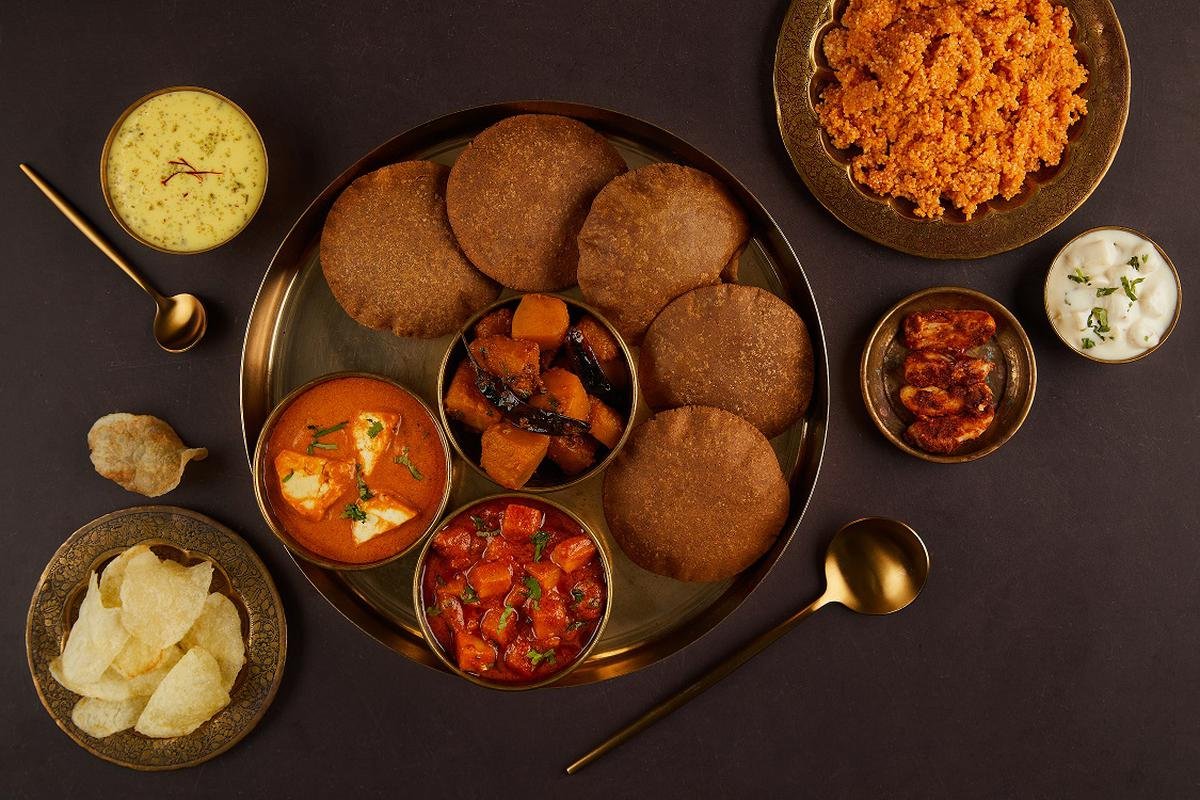
New Delhi, 24 September, 2025: Navratri 2025 is here, bringing with it nine days of devotion, fasting, and traditional rituals. Across India, millions observe this festival by abstaining from grains, onion, garlic, and processed foods, instead consuming sattvik vrat foods that are considered pure and energy-giving.
While fasting is a spiritual practice, it also offers the body a chance to detoxify and rejuvenate. Many vrat-friendly foods are packed with nutrients, protein, fiber, and antioxidants, making them not only spiritually significant but also beneficial for health.
In this article, we’ll explore some of the most popular Navratri fasting foods like makhana, kuttu atta, sabudana, samak rice, singhara atta, and fruits, along with their surprising health benefits.
1. Makhana (Fox Nuts)
- Why we eat it: Makhana is one of the most popular vrat snacks, often roasted or made into kheer.
- Nutritional profile: Rich in protein, calcium, magnesium, and antioxidants.
- Health benefits:
- Promotes heart health by lowering cholesterol.
- Aids in weight management since it is light and low in calories.
- Improves bone strength due to calcium content.
- A great snack for diabetics because it has a low glycemic index.
- Tip: Roast makhana lightly instead of frying to make it a guilt-free, crunchy fasting snack.
2. Kuttu Atta (Buckwheat Flour)
- Why we eat it: Kuttu atta is used to prepare puris, rotis, and pakoras during Navratri since regular wheat flour is avoided.
- Nutritional profile: Gluten-free, rich in protein, fiber, iron, and essential amino acids.
- Health benefits:
- Improves digestion due to high fiber.
- Helps manage blood sugar as it releases energy slowly.
- Supports heart health with rutin, a bioflavonoid that strengthens blood vessels.
- Good source of plant-based protein for energy during fasting.
- Tip: Pair kuttu atta rotis with curd or vrat-friendly vegetables for a balanced meal.
3. Sabudana (Tapioca Pearls)
- Why we eat it: Sabudana is commonly used in khichdi, vadas, and kheer, providing quick energy.
- Nutritional profile: Rich in carbohydrates, potassium, and starch.
- Health benefits:
- Provides instant energy during fasting.
- Supports muscle health due to potassium.
- Easy to digest, making it suitable for children and elderly during fasting.
- Tip: Combine sabudana with peanuts and curd for a protein-rich vrat meal.
4. Samak Rice (Barnyard Millet)
- Why we eat it: Known as “vrat ka chawal,” samak rice is a staple replacement for regular rice.
- Nutritional profile: High in fiber, protein, B-complex vitamins, and minerals.
- Health benefits:
- Aids in weight loss since it keeps you full for longer.
- Helps regulate blood sugar levels.
- Gluten-free and easy on the stomach.
- Tip: Prepare samak rice pulao with vrat-friendly vegetables for a wholesome meal.
5. Singhara Atta (Water Chestnut Flour)
- Why we eat it: Used to make rotis, halwa, and pakoras during fasting.
- Nutritional profile: Rich in potassium, iron, vitamin B6, and antioxidants.
- Health benefits:
- Supports thyroid function due to high iodine content.
- Strengthens immunity with antioxidants.
- Improves skin health and fights inflammation.
- Tip: Use singhara atta to make pancakes or rotis for a nutritious alternative to fried foods.
6. Rajgira (Amaranth Seeds/Flour)
- Why we eat it: Rajgira laddoos, chikki, and rotis are Navratri favorites.
- Nutritional profile: Rich in protein, calcium, iron, and amino acids like lysine.
- Health benefits:
- Strengthens bones due to high calcium.
- Boosts hemoglobin with iron.
- Aids in muscle recovery and energy supply.
- Tip: Rajgira kheer or laddoo can be a power-packed dessert during fasting.
7. Potatoes and Sweet Potatoes
- Why we eat them: Root vegetables are allowed in Navratri fasting, and they are versatile for snacks and meals.
- Nutritional profile: High in carbohydrates, vitamin C, potassium, and fiber (especially sweet potatoes).
- Health benefits:
- Provide quick energy for the body.
- Improve gut health with fiber.
- Sweet potatoes regulate blood sugar better than regular potatoes.
- Tip: Opt for roasted or boiled potatoes over fried versions to keep meals light.
8. Fresh Fruits and Dry Fruits
- Why we eat them: Fruits are an essential part of the vrat thali, consumed raw, as smoothies, or in fruit chaats.
- Nutritional profile: Rich in vitamins, minerals, antioxidants, and fiber.
- Health benefits:
- Boost immunity with vitamin C.
- Aid in digestion and prevent constipation.
- Keep the body hydrated and energized.
- Tip: Mix seasonal fruits with soaked almonds, walnuts, and dates for a nutritious fruit bowl.
9. Dairy Products (Milk, Curd, Paneer)
- Why we eat them: Dairy is considered sattvik and consumed widely during fasting.
- Nutritional profile: High in calcium, protein, probiotics (curd), and vitamin D.
- Health benefits:
- Strengthens bones and teeth.
- Improves gut health with probiotics.
- Provides a steady source of protein and energy.
- Tip: Drink buttermilk or lassi during fasting to stay hydrated and cool.
Tips to Keep Navratri Fasting Healthy
- Avoid fried foods and excess sugar, which can lead to acidity and weight gain.
- Drink plenty of water, coconut water, or lemon water to stay hydrated.
- Prefer small, frequent meals instead of heavy portions.
- Balance your diet with a mix of protein (makhana, rajgira), carbs (sabudana, potatoes), and micronutrients (fruits, nuts, dairy).
- End your fast gradually with light foods instead of jumping straight to heavy meals.
Navratri is not just a spiritual festival but also an opportunity to reset and detox the body. From makhana to kuttu atta, samak rice to singhara atta, the vrat foods consumed during these nine days are packed with health benefits.
By making mindful choices and avoiding deep-fried or overly processed vrat dishes, you can ensure that your Navratri fast is both spiritually fulfilling and physically nourishing.
As Navratri 2025 unfolds, let’s celebrate devotion while also prioritizing our health with these nutrient-rich sattvik foods.














Leave a comment