

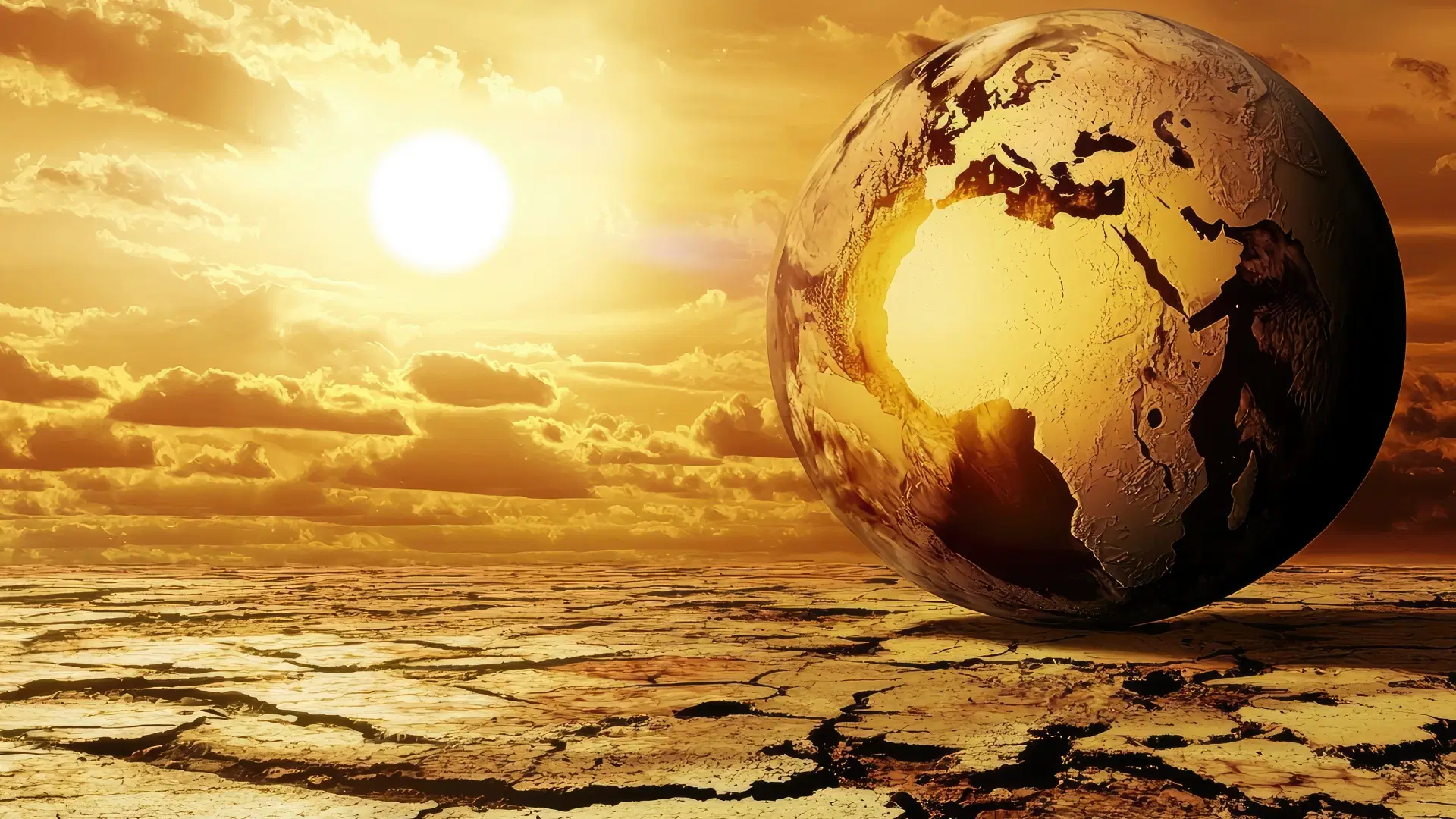
New Delhi, 24 May 2025: As temperatures soar across India, the arrival of Nautapa—a 9-day heat spell—is a cause for concern, especially in the face of rising summer temperatures and recurring heatwaves. From heatstroke risk to crop damage, Nautapa not only pushes the mercury up but also poses significant health and environmental challenges.
In this article, we explain what Nautapa is, why it happens, and how it can impact your health, surroundings, and daily life.
What is Nautapa?
Nautapa—literally meaning “nine days of heat”—is a traditional term in Indian astronomy that refers to a specific period in late May when the Sun enters the Rohini Nakshatra (constellation). In 2025, Nautapa will begin around May 25 and end by June 2.
This astronomical event is associated with extreme heatwaves, especially in Northern, Central, and Western India. During this phase, the Earth experiences intense solar radiation, and with little to no cloud cover, daytime temperatures can climb to 45°C or more in some states like Rajasthan, Uttar Pradesh, Delhi, and Madhya Pradesh.
Why Nautapa is Scorching Hot
According to meteorologists, the heat during Nautapa intensifies because of:
- Strong solar positioning: The Sun is at its closest and most direct angle to Earth.
- Dry winds and no rain: Absence of pre-monsoon showers traps heat in the lower atmosphere.
- Delayed monsoon winds: With the monsoon still weeks away, there is little relief from soaring temperatures.
Traditionally, Nautapa is believed to “boil the oceans” and increase the evaporation rate, which in turn brings rainfall during the monsoon season. However, in recent years, this intense heating has triggered dangerous heatwaves, droughts, and wildfires in several parts of India.
Health Risks During Nautapa
During Nautapa, the risk of heat-related illnesses and dehydration significantly increases. Here are common health issues associated with this period:
1. Heatstroke and Dehydration
With prolonged exposure to the sun, especially during peak hours (12–4 PM), people can suffer from heat exhaustion, heat cramps, or even heatstroke, a potentially fatal condition.
2. Respiratory Stress
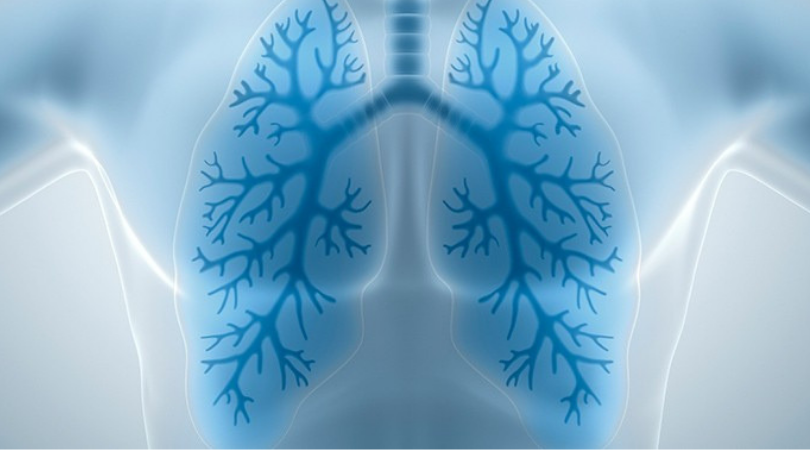
High temperatures can worsen air pollution levels, especially ozone, increasing the risk of breathing difficulties, particularly in children, the elderly, and people with asthma.
3. Skin Damage
Excessive UV exposure can cause sunburns, rashes, and increase the risk of skin cancer over time. Wearing sunscreen and staying indoors during peak heat hours is strongly advised.
4. Electrolyte Imbalance
Sweating heavily without proper fluid intake can lead to loss of sodium and potassium, triggering fatigue, dizziness, and muscle cramps.
How to Stay Safe During Nautapa
Here are a few simple precautions to protect yourself and your family:
- Stay hydrated with water, coconut water, or ORS solutions.
- Avoid going outdoors during peak heat hours.
- Wear light cotton clothes, sunglasses, and wide-brimmed hats.
- Use sunscreen with SPF 30+ when stepping out.
- Eat cooling foods like cucumbers, melons, yogurt, and mint.
- Monitor elderly family members and infants for signs of overheating.
Nautapa, while feared for its extreme heat, also signals the transition toward the southwest monsoon, which usually begins in early June. While its historical link to monsoon intensity remains debated, one thing is clear—climate change is making heatwaves hotter, longer, and more frequent.
As Nautapa 2025 kicks in, staying alert, adapting your routine, and protecting your health can go a long way in weathering this annual challenge.














Leave a comment