

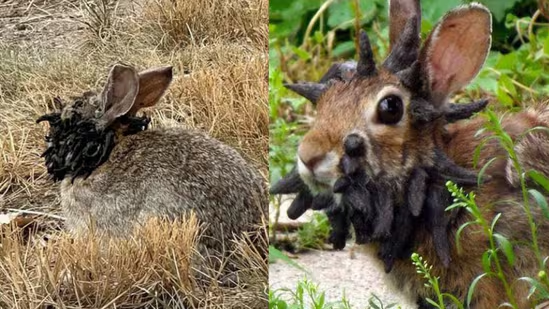
New Delhi, 14 August 2025: Residents in parts of Colorado, particularly around Fort Collins, have been alarmed by the appearance of wild rabbits with strange horn-like growths on their faces. These animals, described as “zombie rabbits” or “Frankenstein bunnies,” appear to have dark, protruding spikes coming out of their heads—prompting fear and confusion among locals and social media users.
However, despite their disturbing appearance, wildlife experts confirm that these rabbits are suffering from a known and naturally occurring condition caused by a virus, not a new disease or mutant outbreak.
What’s Causing These Growths?
The culprit behind the bizarre growths is a virus that infects rabbits, causing hard, keratinized tumors to form, particularly around the face, neck, and head. The disease causes wart-like structures that resemble horns or tentacles, which is why the rabbits have been mistaken for fictional creatures.
This virus, while visually alarming, has been known to science for decades. It affects wild cottontail rabbits most commonly and is usually spread by ticks, mosquitoes, and fleas during warmer months.
Why the Sudden Spike in Sightings?
Summer is the peak season for insects that transmit this virus. Warmer temperatures allow for increased tick and flea activity, leading to a higher rate of transmission among wildlife.
Colorado’s dry grasslands and warm weather make it an ideal habitat for cottontail rabbits, and the combination of high insect activity and dense rabbit populations has led to more cases becoming visible to the public this year.
Is This Dangerous to Humans or Pets?
The virus that causes these growths is species-specific—it only affects rabbits. It cannot be transmitted to humans, dogs, cats, or other household pets.
That said, domestic rabbits are more susceptible to complications if infected. Pet owners should take precautions to prevent contact between their rabbits and wild ones and ensure their environments are free of fleas and ticks.
Touching infected rabbits isn’t recommended—not because the virus can spread to humans, but to avoid causing stress to the animal or risking exposure to other possible wildlife diseases.
Do the Rabbits Suffer?
In many cases, the growths don’t pose a serious health threat to wild rabbits unless they interfere with essential functions like eating or seeing. However, if left untreated, the growths can become infected or so large that they hinder daily survival.
Some infected rabbits may eventually succumb to the complications, but many recover naturally as the virus runs its course.
In domestic rabbits, however, the virus can lead to a type of skin cancer, making prevention and veterinary care critical.
Should Residents Be Worried?
Wildlife experts say there is no need for panic. The presence of these rabbits, while unusual looking, does not indicate a new viral outbreak or a threat to public safety. The condition has been observed in rabbit populations across North America for years and tends to resolve naturally over time.
Residents are encouraged not to approach, touch, or feed wild rabbits showing signs of infection. If sightings increase dramatically or if animals appear to be suffering, local animal control or wildlife agencies can be contacted for monitoring and humane intervention.
What to Watch For
Here are some of the main symptoms of the condition:
- Dark, horn-like growths on or around the head and face
- Difficulty eating or seeing
- Excessive scratching due to irritation
- Lethargy in extreme cases
If you own a rabbit, keep them indoors or in clean, enclosed spaces, especially during summer, and regularly check for fleas or ticks.
A Root of Folklore?
Interestingly, this virus is believed to have inspired old American legends of the “jackalope”—a mythical creature described as a rabbit with antlers. Early sightings of infected rabbits may have sparked these stories, combining fact with folklore over the years.
Key Takeaways
- The rabbits are suffering from a known virus that causes horn-like growths.
- It is not transmissible to humans or most pets.
- Sightings increase during summer due to flea and tick activity.
- Wildlife officials advise against handling the animals.
- While the condition looks severe, it is often manageable in wild populations.
What Should You Do If You Spot One?
If you come across a rabbit showing signs of infection:
- Do not touch or try to help it.
- Keep pets and children away.
- Report unusual wildlife behavior to local authorities if you’re concerned.
- Avoid feeding wild rabbits, especially during visible outbreaks.
Another Virus On The Cards? What To Know
Though these “horned” rabbits may seem like something out of a horror movie, they’re simply the result of a naturally occurring wildlife disease. Understanding the science behind the condition not only helps reduce public fear but also reinforces the importance of respecting wild animals from a distance.
















Leave a comment