New Delhi: Significant progress reported in the treatment of multiple myeloma, with patients achieving long-term survival through advanced therapies, including second autologous stem cell transplants. These outcomes highlight evolving treatment strategies and improved patient care at Sir Ganga Ram Hospital.
Dr. Shyam Aggarwal, Chairperson, Medical Oncology, Sir Ganga Ram Hospital. Shared two remarkable cases that demonstrate the progress made in myeloma treatment over the past two decades. Leading to improved survival and better quality of life.
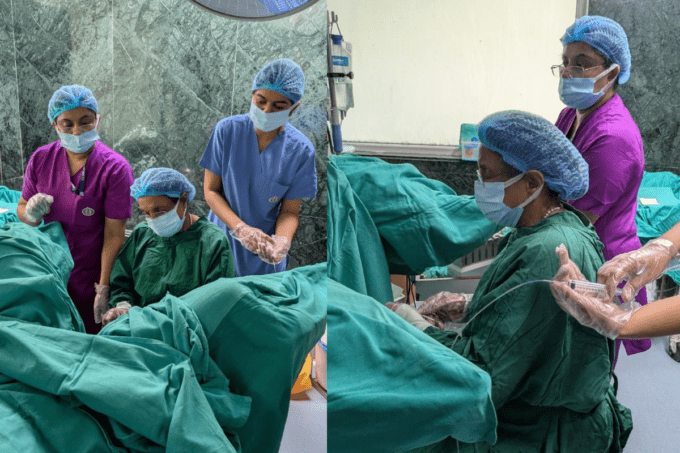
In one recent case, a 77-year-old woman successfully underwent a second autologous stem cell transplant after relapsing seven years following her initial diagnosis. She was first diagnosed at the age of 70 and received induction therapy with the VRD regimen (bortezomib, lenalidomide, and dexamethasone), followed by an autologous stem cell transplant. She remained on maintenance therapy with lenalidomide and zoledronic acid for five years.
At relapse, she treated with a daratumumab-based four-drug induction regimen for eight weeks. Followed by high-dose chemotherapy and a second stem cell transplant. Despite her advanced age, she tolerated the treatment well. She hospitalized for 17 days and received supportive care, including blood and platelet transfusions, antibiotics, and antifungal medications. She is now in complete remission and continues maintenance therapy with lenalidomide and denosumab, a bone-strengthening agent.
Dr. Shyam Aggarwal highlighted four major changes in myeloma management over the years. Conventional chemotherapy largely replaced by targeted therapies in initial treatment. Daratumumab, a CD38 monoclonal antibody, now plays a central role in induction regimens. Maintenance therapy with agents such as zoledronic acid or denosumab has helped prevent skeletal complications. Importantly, second autologous stem cell transplants have proven to be safe and effective when performed after a gap of more than three years.
In another significant case, a 70-year-old man first presented in 1999 with severe back pain. MRI of the spine revealed multiple lytic lesions and destruction of the L1-L2 vertebrae. He underwent surgical removal of soft tissue and spinal fixation performed by Dr. K.L. Kalra and his team. A biopsy confirmed abnormal plasma cells, and further investigations established the diagnosis of IgG Kappa multiple myeloma.
At that time, he received the VAD chemotherapy protocol (vincristine, adriamycin, and dexamethasone), which was the standard of care. After four cycles, he achieved remission and underwent autologous peripheral blood stem cell transplantation. He tolerated high-dose melphalan chemotherapy well and discharged within three weeks. He then placed on maintenance therapy with thalidomide and zoledronic acid for five years.
He remained stable until 2015, when he developed back pain again and diagnosed with a relapse. This time, he treated with a targeted three-drug regimen of bortezomib, lenalidomide, and dexamethasone. After responding well, he underwent a second autologous stem cell transplant. As the interval since his first transplant exceeded three years. The procedure was uneventful, and he completed another five years of maintenance therapy. His follow-up tests, including serum electrophoresis, immunofixation, and free light chain assays, remain normal. He continues to lead an active life free of active disease.
“Very few patients in earlier years underwent two stem cell transplants and survived long-term. Today, with newer drugs such as daratumumab, carfilzomib, and bispecific antibodies like teclistamab. We are achieving prolonged disease control,” said Dr. Shyam Aggarwal. He added that emerging treatments such as CAR-T cell therapy expected to further improve outcomes in relapsed and refractory myeloma.
These cases underscore the remarkable advances in multiple myeloma care and offer renewed hope to patients battling this complex blood cancer.