

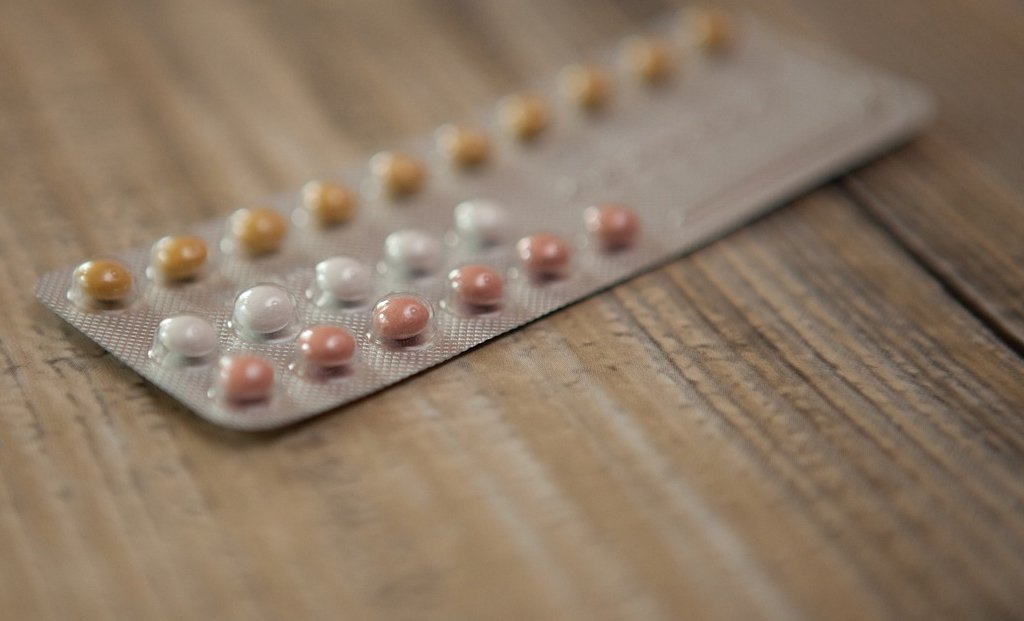
New Delhi, 25 July 2025: In what could mark a revolutionary shift in reproductive responsibility, scientists have announced that the first human trial of a male birth control pill has shown highly promising results. For decades, contraception has largely been a woman’s burden—but that may soon change. A new oral pill designed to temporarily and safely suppress sperm production in men has cleared its initial hurdle, and experts say we may be entering a new era of shared contraception. Here’s what the trial revealed—and why it could change everything you thought you knew about birth control.
The Breakthrough That’s Got Everyone Talking The non-hormonal pill, tested on healthy male volunteers. Was found to drastically lower sperm counts without causing any serious side effects. It targets a protein crucial for sperm development, effectively turning off fertility without affecting libido or testosterone levels. Within weeks, sperm production dropped to near-zero levels, and participants recovered fertility soon after stopping the pill. That’s right—temporary, reversible, and non-invasive male birth control may finally be real.
No Hormones, No Mood Swings, No Problem One of the biggest advantages of this male contraceptive is that it does not interfere with male sex hormones. Most previous attempts at male birth control relied on manipulating testosterone, which often led to mood disorders, weight gain, or reduced sexual function. This new pill avoids all of that. Men in the trial reported no major mood changes, no decrease in sexual desire, and no disruptions to normal daily life. The side effect profile was similar to a placebo.
How Effective Is It Really? According to researchers, the pill achieved over 99% success in blocking sperm development without affecting the participants’ general health. That’s comparable to, or even better than, some female contraceptive methods currently in use. If larger and longer studies confirm these results, this could offer a reliable alternative to condoms, vasectomy, or withdrawal—without the risks of surgery or hormonal disruption.
Why This Matters for Women Too For decades, the responsibility of avoiding pregnancy has disproportionately fallen on women, with little advancement in male contraceptive options. From daily pills to IUDs and hormone implants. Women often endure the side effects and social pressures of family planning alone. A safe and reversible male pill could help share the burden more fairly and allow couples to take turns or make joint decisions about contraception without permanent consequences.
But Don’t Throw Away the Condoms Just Yet While the early results are exciting. This male pill is still in the trial phase and may take a few more years before hitting the pharmacy shelves. Experts warn that more extensive testing is needed to confirm long-term safety, efficacy, and reversibility. Plus, unlike condoms, this pill does not protect against sexually transmitted infections. So condoms will still have their place in responsible sex, especially with new or multiple partners.
Public Reaction Is Already Divided While many welcomed the news as a long-overdue step toward reproductive equality. Some have raised questions about whether men will be as consistent with daily pill intake as women have historically been. Others worry about cultural resistance, trust issues in relationships, and whether healthcare systems will take male contraception seriously enough to make it widely available and affordable.
The Future of Birth Control May Look Very Different The success of this human trial could pave the way for a variety of male contraceptives in the near future—from pills to injections to topical gels. With the science finally catching up. Couples may soon have more balanced options for birth control that don’t come with life-altering side effects or irreversible procedures.
The first successful human trial of a male birth control pill is more than a medical headline. It’s a sign that a century-old gap in reproductive responsibility may finally be closing. If all goes well, this tiny pill could give men more control over their fertility. Women more freedom from the pressure to always be the ones protecting against pregnancy. It’s a small pill with the potential for a big revolution.
















Leave a comment