

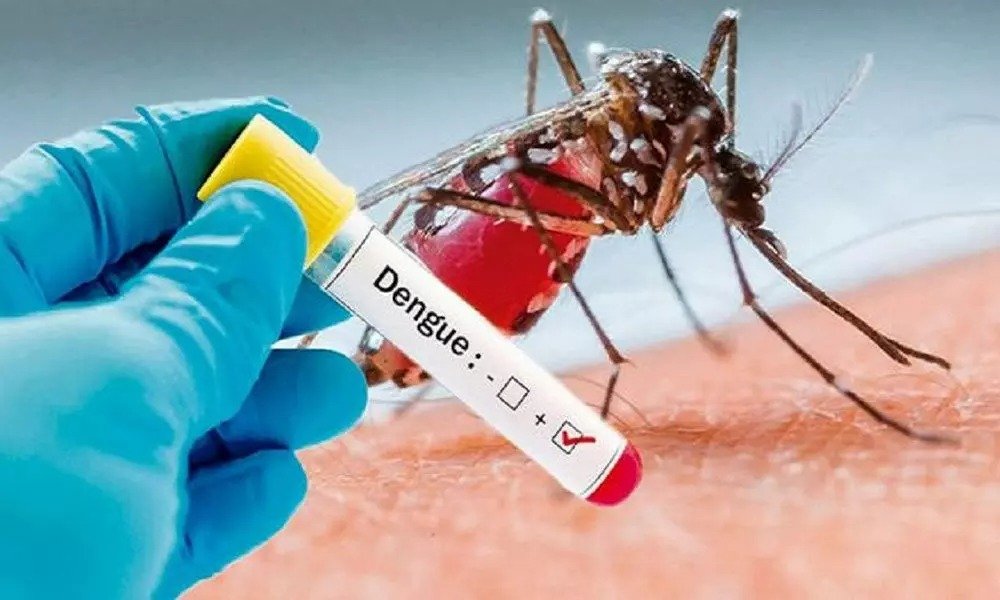
New Delhi, 10 August 2025: Delhi is witnessing its highest number of malaria cases in the past five years, sparking fresh health concerns for residents. Health officials have confirmed a sharp spike in infections this season, with a parallel rise in dengue and chikungunya cases. The alarming trend is being attributed to persistent monsoon rains, stagnant water accumulation, and an increase in mosquito breeding sites across the city.
Experts warn that with all three vector-borne diseases circulating at once, the risk of outbreaks is significantly higher, especially in densely populated areas with poor drainage systems.
Why This Year’s Numbers Are So Concerning
Malaria cases had been relatively controlled in the capital in recent years, but the latest data shows a worrying reversal. The surge is particularly troubling because it coincides with a rise in dengue and chikungunya, creating a triple threat scenario. Health workers fear the combined impact could overwhelm healthcare facilities if precautions aren’t taken seriously.
Understanding the Diseases
Malaria
Caused by Plasmodium parasites transmitted through Anopheles mosquito bites, malaria can cause high fever, chills, fatigue, and in severe cases, organ failure.
Dengue
Spread by Aedes aegypti mosquitoes, dengue often presents with high fever, severe headache, joint pain, and rashes. Severe dengue (dengue hemorrhagic fever) can be life-threatening.
Chikungunya
Also transmitted by Aedes mosquitoes, chikungunya is characterized by sudden fever and severe joint pain that can last for weeks or months.
Why Mosquito-Borne Diseases Surge During Monsoon
The monsoon season creates ideal conditions for mosquito breeding. Puddles, open drains, and waterlogged construction sites become hotspots for larvae. Warmer temperatures and higher humidity also accelerate mosquito life cycles, increasing the number of carriers in a short time.
Preventive Tips to Protect Yourself and Your Family
- Eliminate Breeding Sites
- Empty and clean water containers regularly.
- Cover water storage tanks and buckets.
- Clear clogged drains and gutters.
- Use Mosquito Protection
- Apply mosquito repellents on exposed skin.
- Use mosquito nets while sleeping, especially in areas without screens.
- Install mesh screens on windows and doors.
- Wear Protective Clothing
- Wear long sleeves, trousers, and socks to minimize skin exposure.
- Keep Your Surroundings Clean
- Dispose of unused items that can collect water, such as old tires, pots, and cans.
- Stay Alert to Symptoms
- Seek medical advice promptly if you experience persistent fever, chills, headaches, rashes, or joint pain.
What Authorities Are Doing
Local health departments have intensified anti-larval measures, including fumigation drives, awareness campaigns, and door-to-door inspections. However, officials emphasize that public cooperation is crucial, as most mosquito breeding happens in and around homes
With malaria at a five-year high and dengue and chikungunya cases climbing, Delhi faces a critical public health challenge. The best defense remains prevention — stopping mosquitoes from breeding and protecting yourself from bites. Vigilance now can prevent a surge that strains hospitals and impacts thousands of lives.
By making mosquito control a collective effort, the city can curb the spread and safeguard its residents from this dangerous seasonal triple threat.















Leave a comment