

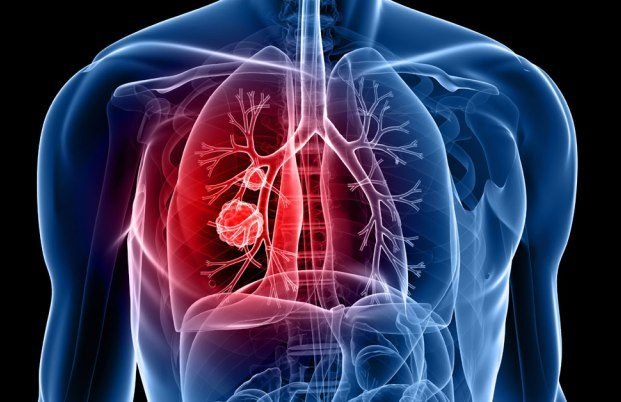
New Delhi, 21 September, 2025: When we hear the words lung cancer, the first association is usually with smoking. Indeed, smoking remains the leading cause of lung cancer globally. However, in recent years, doctors have reported a troubling trend—an increasing number of young non-smokers developing lung cancer.
This challenges the long-held belief that only smokers are at risk. Experts now emphasize that smoking is not the only reason behind lung cancer. Environmental factors, genetics, lifestyle choices, and even hormonal influences may contribute.
This article explores why lung cancer is striking young non-smokers, the hidden risk factors, symptoms to watch for, and what can be done for prevention and early detection.
Understanding Lung Cancer
Lung cancer occurs when abnormal cells in the lungs grow uncontrollably, forming tumors that interfere with breathing and spread to other parts of the body. It is categorized into two main types:
- Non-Small Cell Lung Cancer (NSCLC) – The most common type, accounting for about 85% of cases.
- Small Cell Lung Cancer (SCLC) – More aggressive but less common.
Traditionally, most lung cancer cases were linked to tobacco smoking, but today, a rising number of non-smokers—especially young adults and women—are being diagnosed.
Why Lung Cancer Affects Non-Smokers
Experts highlight several non-smoking-related causes of lung cancer:
1. Genetic Mutations
Some lung cancers in non-smokers are driven by genetic mutations, particularly changes in the EGFR (Epidermal Growth Factor Receptor) gene, ALK rearrangements, or ROS1 mutations.
- These mutations cause uncontrolled cell growth in the lungs.
- They are more common in younger patients and women.
- The good news is that targeted therapies exist to treat mutation-driven cancers.
2. Air Pollution
Exposure to polluted air, especially fine particulate matter (PM2.5), significantly increases lung cancer risk.
- Urban environments, vehicle emissions, and industrial smoke are major contributors.
- The World Health Organization classifies outdoor air pollution as a Group 1 carcinogen, meaning it is a direct cause of cancer.
3. Indoor Air Pollution and Household Risks
- Cooking fumes, especially from wood, charcoal, or kerosene stoves without proper ventilation, increase risk.
- Radon gas, a naturally occurring radioactive gas that seeps from soil into homes, is the second leading cause of lung cancer in non-smokers.
- Secondhand smoke exposure also puts non-smokers at risk.
4. Occupational Exposure
Certain workplaces expose people to cancer-causing substances such as:
- Asbestos fibers (used in construction and insulation).
- Diesel exhaust.
- Arsenic, chromium, and silica dust.
Workers in these environments may develop lung cancer even without smoking.
5. Hormonal Factors
Studies suggest that estrogen may play a role in some lung cancers, particularly in younger women who are non-smokers. Research is ongoing, but it highlights the complexity of the disease.
6. Lifestyle and Immunity
- Poor diet, obesity, and lack of exercise weaken the body’s defense mechanisms.
- A compromised immune system increases susceptibility to cancer development.
Symptoms of Lung Cancer in Non-Smokers
One of the biggest challenges is that lung cancer symptoms often appear late. In young non-smokers, symptoms are often overlooked or misattributed. Warning signs include:
- Persistent cough that does not go away
- Coughing up blood (hemoptysis)
- Shortness of breath or wheezing
- Chest pain or discomfort
- Repeated lung infections (pneumonia, bronchitis)
- Fatigue and unexplained weight loss
- Hoarseness or changes in voice
Since these symptoms mimic other respiratory conditions, non-smokers may be diagnosed at later stages, making treatment more difficult.
How Lung Cancer in Non-Smokers Differs From Smokers
- Type of cancer – Non-smokers are more likely to develop adenocarcinoma, a form of non-small cell lung cancer.
- Location – Tumors in non-smokers often develop in the outer regions of the lungs, unlike smokers, whose cancers typically appear in central airways.
- Treatment response – Non-smokers with genetic mutations often respond better to targeted therapies compared to traditional chemotherapy.
- Demographics – Non-smoker lung cancer patients tend to be younger and more often women.
Diagnosis and Screening
Early detection is key. Doctors use the following methods:
- CT (Computed Tomography) scans – Especially low-dose CT (LDCT) for high-risk individuals.
- Biopsy – To analyze tumor cells.
- Genetic testing – To detect EGFR, ALK, and ROS1 mutations that can guide treatment.
Currently, screening programs mainly target smokers or ex-smokers. Experts argue that non-smokers with family history or environmental exposure should also be considered for screening.
Treatment Options
Treatment for lung cancer in non-smokers depends on the stage and genetic makeup of the tumor. Options include:
- Targeted Therapy
- Drugs that specifically block cancer-causing mutations like EGFR or ALK.
- Often more effective with fewer side effects than chemotherapy.
- Immunotherapy
- Boosts the body’s immune system to fight cancer cells.
- Especially useful for advanced cases.
- Surgery
- Removing the tumor is possible if detected early.
- Radiation Therapy
- Used to kill cancer cells or shrink tumors.
- Combination Approaches
- Doctors may use surgery, chemotherapy, and radiation together for better results.
Prevention Strategies
While not all cases can be prevented, experts recommend these steps to lower risk:
- Avoid exposure to radon – Test your home for radon levels.
- Reduce indoor pollution – Ensure proper ventilation while cooking.
- Protect against occupational hazards – Use masks and safety equipment at work.
- Limit air pollution exposure – Use air purifiers indoors and avoid high-pollution areas.
- Adopt a healthy lifestyle – Eat a balanced diet, exercise regularly, and strengthen immunity.
- Regular check-ups – Especially if you have a family history of cancer.
The Emotional and Social Impact
Young non-smokers diagnosed with lung cancer often feel stigmatized because lung cancer is strongly associated with smoking. This stigma may lead to:
- Feelings of guilt or confusion—“Why me if I never smoked?”
- Social isolation.
- Emotional distress for patients and families.
On World Lung Cancer Awareness Month (November) and beyond, healthcare advocates stress the importance of breaking this stigma. Lung cancer can happen to anyone, not just smokers.
The rise of lung cancer among young non-smokers highlights a critical shift in public health. While smoking remains the biggest risk factor, it is not the only cause. Genetics, pollution, occupational hazards, and lifestyle also play major roles.
Awareness is the first step. Families and doctors must remain vigilant for early symptoms, and public health policies should expand screening beyond smokers.
Ultimately, lung cancer is a disease that affects lives regardless of smoking history. Understanding its hidden causes, promoting preventive strategies, and ensuring early diagnosis can save countless lives.














Leave a comment