

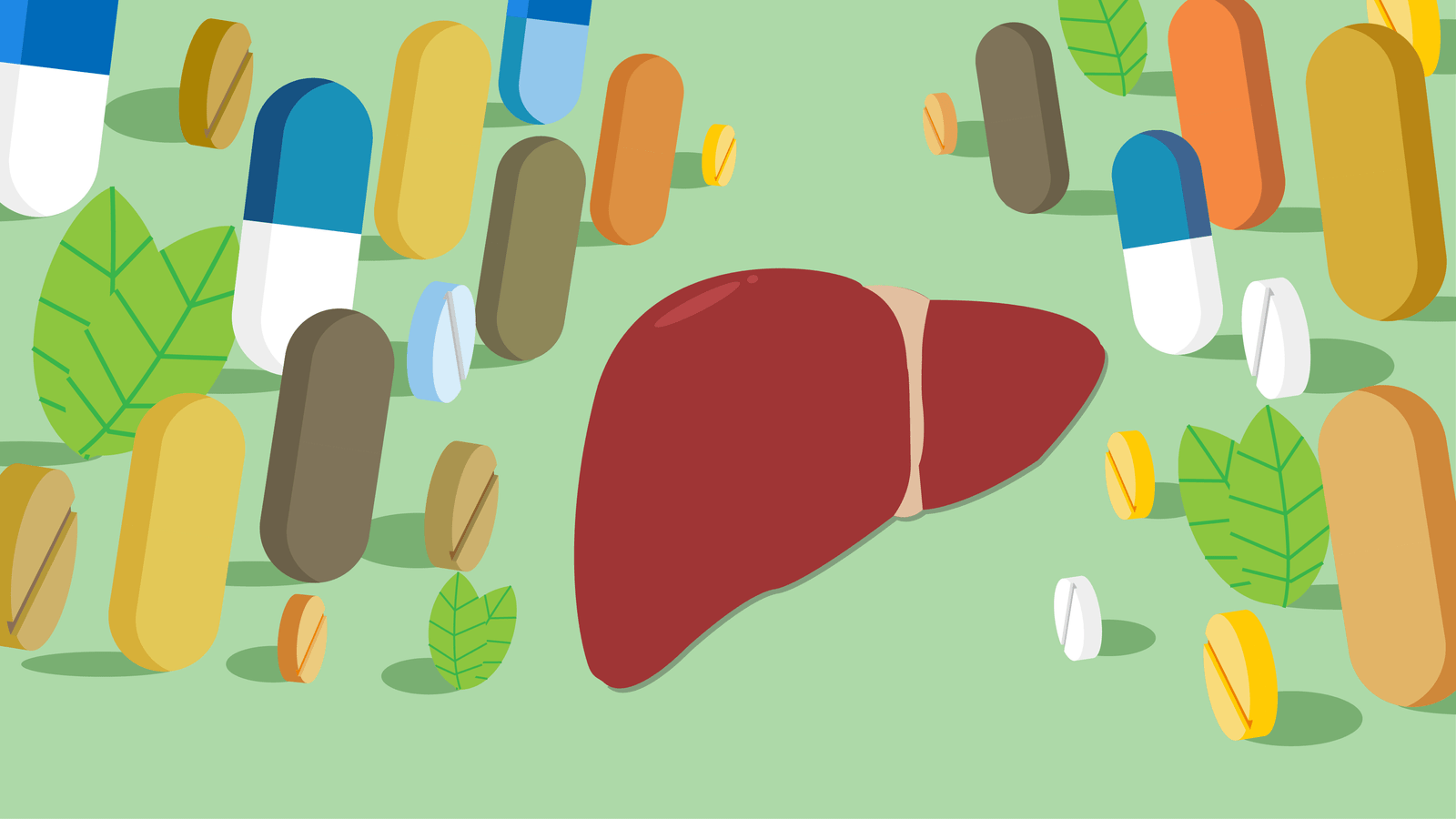
Liver damage can vary significantly between men and women, influenced by a multitude of factors such as biological disparities, lifestyle choices, and environmental exposures. Understanding these distinctions is crucial for effective prevention, diagnosis, and treatment strategies. Here’s an exploration of how men and women differ in their risk of liver damage and the manifestation of signs of liver problem related conditions.
- Alcohol Consumption: Excessive alcohol consumption is a leading cause of liver damage. Generally, men tend to consume more alcohol than women on average, which can increase their risk of alcohol-related liver diseases such as alcoholic liver disease (ALD), cirrhosis, and fatty liver disease. However, women are more susceptible to alcohol-related liver damage due to physiological differences. Women typically have lower levels of alcohol dehydrogenase, an enzyme that helps metabolize alcohol, and higher levels of body fat, which can lead to a higher blood alcohol concentration after consuming the same amount of alcohol as men.
- Hormonal Factors: Hormonal differences between men and women can influence the development and progression of liver diseases. For example, estrogen is believed to have protective effects on the liver, which may explain why premenopausal women generally have a lower risk of liver disease compared to men. However, this protection diminishes after menopause, and postmenopausal women may experience an increased risk of liver damage.
- Non-alcoholic Fatty Liver Disease (NAFLD): NAFLD is characterized by the accumulation of fat in the liver and is closely associated with obesity, insulin resistance, and metabolic syndrome. While men tend to have a higher prevalence of NAFLD compared to women, women with NAFLD may be at a higher risk of developing advanced liver fibrosis and cirrhosis. Additionally, hormonal factors such as polycystic ovary syndrome (PCOS) can contribute to the development of NAFLD in women.
- Autoimmune Liver Diseases: Certain autoimmune liver diseases, such as autoimmune hepatitis and primary biliary cholangitis, are more prevalent in women than in men. These conditions occur when the body’s immune system mistakenly attacks the liver, leading to inflammation and damage.
- Symptoms: The symptoms of liver damage can vary between men and women. While both may experience common symptoms such as fatigue, abdominal pain, jaundice (yellowing of the skin and eyes), and swelling in the abdomen, women may also experience additional symptoms related to hormonal changes, such as irregular menstrual cycles, amenorrhea (absence of menstruation), and hirsutism (excessive hair growth).
It’s important to note that individual factors such as genetics, overall health, and lifestyle choices play significant roles in determining an individual’s risk of liver damage, and these signs of liver problem may vary widely among men and women. Regular medical check-ups, maintaining a healthy lifestyle, and avoiding excessive alcohol consumption can help reduce the risk of liver damage regardless of gender. If someone experiences symptoms suggestive of liver damage, they should seek medical attention promptly for evaluation and management.












Leave a comment