

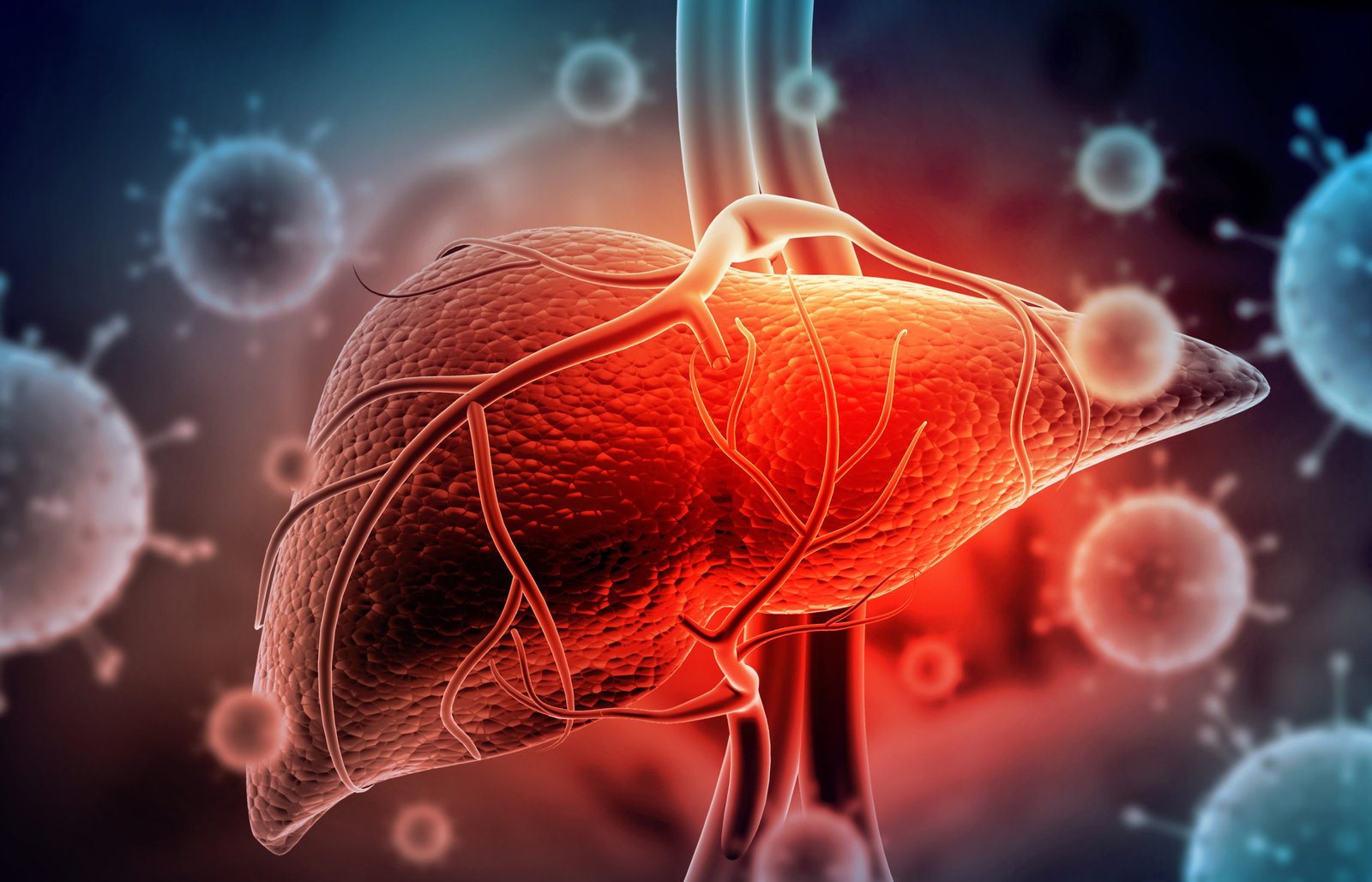
New Delhi, 17 June 2025: India is witnessing a worrying rise in hepatitis cases, bringing renewed attention to one of the country’s most underreported yet dangerous viral infections. While often overshadowed by other communicable diseases, hepatitis continues to affect millions of people across the country every year, and experts are now urging citizens to recognise the symptoms early and understand the different types of the virus to prevent complications like liver failure, cirrhosis, and even cancer.
Hepatitis refers to inflammation of the liver, usually caused by viral infections, though it can also stem from autoimmune disorders, alcohol abuse, toxins, or medications. In India, viral hepatitis—particularly types A, B, C, D, and E—is the most common form, with Hepatitis A and E being waterborne, while B and C are bloodborne. According to the World Health Organization (WHO), India is among the nations most affected by hepatitis B and C, which can lead to chronic liver diseases and long-term health damage if left untreated.
Hepatitis A and E: The Waterborne Threat
Hepatitis A and E are typically transmitted through contaminated food or water, making them especially prevalent in areas with poor sanitation. These types of hepatitis are usually acute, meaning the infection is short-term and resolves on its own, but they can cause serious illness in vulnerable populations like children, the elderly, and pregnant women.
Symptoms of hepatitis A and E usually appear 2 to 6 weeks after exposure and may include:
- Fever
- Fatigue
- Loss of appetite
- Nausea and vomiting
- Abdominal pain, particularly on the upper right side (liver area)
- Jaundice (yellowing of the skin and eyes)
- Dark-colored urine
- Pale stools
In most cases, people recover fully from hepatitis A and E with rest, hydration, and proper nutrition. However, hepatitis E has been known to cause severe complications in pregnant women, sometimes leading to liver failure or death.
Hepatitis B and C: The Silent, Chronic Killers
The more serious health concern lies with hepatitis B and C, which are transmitted through blood, unprotected sex, shared needles, and from mother to child during childbirth. Unlike hepatitis A and E, hepatitis B and C can become chronic, silently damaging the liver over decades before symptoms even begin to show.
Often called “silent infections,” chronic hepatitis B and C may not present any signs in the early stages, which makes early detection difficult. When symptoms do appear, they can include:
- Persistent fatigue
- Joint or muscle pain
- Mild fever
- Nausea or loss of appetite
- Abdominal discomfort
- Dark urine
- Jaundice
- Easy bruising or bleeding
Over time, chronic infections can lead to cirrhosis (scarring of the liver), liver cancer, and liver failure, especially if left untreated. According to health data, approximately 40 million Indians are carriers of hepatitis B, and more than 10 million may be living with hepatitis C, many of them unaware of their infection.
Hepatitis D: The Co-Infection Concern
Hepatitis D, also known as delta hepatitis, is a rare but serious form of the disease that only occurs in individuals already infected with hepatitis B. This co-infection can lead to more severe liver complications than hepatitis B alone. Vaccination against hepatitis B also offers protection against hepatitis D, highlighting the importance of immunisation.
Why India Is at Risk
India’s high population density, lack of access to clean drinking water in many regions, inadequate vaccination coverage, and low awareness contribute to the widespread prevalence of hepatitis. Poor sanitation, unregulated blood transfusions, reuse of needles, and unsafe medical procedures further exacerbate the situation. Hepatitis often goes undiagnosed in rural areas due to limited access to diagnostic tools and specialists, and by the time symptoms develop, liver damage may already be advanced.
Importance of Early Diagnosis and Vaccination
Health experts stress that early detection through screening, regular liver function tests, and access to vaccinations are the best ways to control the spread of hepatitis. The hepatitis B vaccine is safe, effective, and widely available, and is now part of India’s national immunisation programme for infants. Catch-up vaccination for adults, especially healthcare workers, those with high-risk lifestyles, or chronic diseases, is strongly advised.
For hepatitis C, direct-acting antiviral medications are available that can cure most infections, but awareness and access remain low. There is currently no vaccine for hepatitis C or E, making preventive hygiene measures and safe medical practices even more critical.
What You Can Do to Stay Safe
Doctors recommend the following preventive measures to reduce the risk of contracting hepatitis:
- Ensure vaccination against hepatitis A and B.
- Avoid drinking untreated or unfiltered water and ensure food is hygienically prepared.
- Practice safe sex and avoid sharing personal hygiene items like razors or toothbrushes.
- Say no to tattoos or piercings with unsterilised equipment.
- Always ensure blood transfusions are done at certified centres with screened blood.
- Get tested regularly if you belong to a high-risk group or experience unexplained fatigue or jaundice.
With hepatitis cases on the rise in India, understanding the different types of the virus and recognising the symptoms early can make all the difference. Left untreated, hepatitis can silently destroy the liver, leading to severe, life-altering consequences. But with proper awareness, vaccination, timely screening, and hygiene, hepatitis is preventable and, in many cases, treatable. As health authorities push for a hepatitis-free India by 2030, the onus is now on every individual to stay informed, get tested, and take preventive action.
















Leave a comment