Home COVID 19 Combating Childhood Cancer In India: Timely Diagnosis, Right Treatment Help Fight Childhood Cancer
COVID 19Latest NewsSpotlight

Combating Childhood Cancer In India: Timely Diagnosis, Right Treatment Help Fight Childhood Cancer

Share
Share

-Dr. Preetam Jain, Medical Oncologist, Bhatia Hospital, Mumbai

Cancer is one of the leading causes of death from disease in childhood in India. It is estimated that nearly 40-50,000 new childhood cancer cases occur each year in the country. Cancer is the 9th common cause for death among children between 5 to 14 years of age. This makes India a country with the highest prevalence of childhood cancer which could be attributed to its higher population of young people — 30 per cent of its population is below 14 years, according to 2011 Census.

So, this International Childhood Cancer Day observed on February 15 to raise awareness and express support for children and adolescents with cancer, survivors and their families, it is time to re-examine and combat the situation with more preparedness.

Common cancers in children

One of the most common cancers observed in children is Leukemia – more prevalent in children between the ages of 2-4 years. Brain tumors and other nervous system tumors are the second most common cancer seen in pediatric age group. Another type of cancer is Neuroblastoma that arises from immature nerve cells in infants and young children. Mainly found in children younger than age of 5 years, this disease often begins in the adrenal glands. Hodgkin lymphoma is another type of cancer that is similar in both children and adults. Lymphoma — both Hodgkin and non-Hodgkin — Wilms tumor, Rhabdomyosarcoma, Retinoblastoma, Bone cancer (including osteosarcoma and Ewing sarcoma) are other types of cancer found in children.

Prevalence in India

The proportion of childhood cancers relative to all cancers reported by Indian cancer registries varied from 0.8% to 5.8% in boys, and from 0.5% to 3.4% in girls. In the recent past, age-adjusted cancer incidence rates had ranged from 18.6 per million to 159.6 per million for boys and 11.3 to 112.4 for girls. The highest incidence was observed for males (159.6) in the southern region of the country and the lowest in North-east in both boys (18.6) and girls (11.3). Leukemia and lymphoma were the commonest malignancies in boys whereas leukemia and brain tumors were the commonest in girls.

Survival outlook in India

The good news is that most pediatric cancers are highly curable, provided prompt and effective treatment is available. In many developed countries, three out of four children survive. Unfortunately, in India 70% children die of cancer owing to late diagnosis or none at all along with lack of access to information and life-saving treatment. Sometimes, families do not avail of the appropriate treatment, or they are end up abandoning treatment once it has started.

Another reason is that the cost of treating paediatric cancers is very high. Unlike cancers in adults, cancers in children require a bigger team of medical professionals including oncologist, radiologist, pathologist, internist etc.

Treatment

Yet with timely diagnosis and treatment, most childhood cancers are curable, treatable and liveable. Some of the childhood cancers have more than 90% survival with the best available treatment. The types of treatment depend on the type of cancer and how advanced it is. Common treatments include chemotherapy, surgery, radiation, immunotherapy and bone marrow transplantation.

So, this International Childhood Cancer Day, the healthcare fraternity and general public need to join hands for more awareness to deliver the needed care and support to the children who are suffering.

“NO CHILD SHOULD DIE OF CANCER- CURE FOR MORE AND CARE FOR ALL”

Share

Leave a comment

Leave a Reply

Your email address will not be published. Required fields are marked *

Don't Miss

Latest News

How Seasonal Flu Symptoms Are Changing in 2026—and What It Means for You

Seasonal influenza, commonly known as the flu, affects millions of people worldwide every year, and 2026 has already shown changes in how the...

WHO
Press Release

WHO South-East Asia Regional Office building inaugurated

The newly constructed building of the World Health Organization South-East Asia Regional Office in New Delhi, was today inaugurated by the Honourable Prime...

Air Pollution
Health News

Delhi Chokes Under Toxic Air: Schools Shut, Offices Go Work From Home — How to Stay Safe

New Delhi, 23 December, 2025: Delhi once again finds itself gasping for breath as air pollution levels surge to hazardous levels, pushing authorities...

Colorectal cancer
Latest News

Cervical Cancer Awareness Month 2026: Screening Tips Every Woman Should Know

Cervical cancer is one of the most preventable forms of cancer, yet it remains a leading cause of cancer-related deaths among women globally....

Bird Flu
Latest News

Bird Flu Alert: How to Protect Yourself Without Panicking

Bird flu, also known as avian influenza, is a viral infection primarily affecting birds but capable of infecting humans in rare cases. The...

Section title

Related Articles
Latest News

Broken Heart Syndrome Is Real: Doctor Explains Why Emotional Stress Can Trigger Heart Attacks

When we hear the phrase “broken heart,” most of us think of...

COVID
Latest News

Long COVID May Be Triggering Alzheimer’s-Like Changes in the Brain: New Study

A new study suggests that Long COVID—the lingering post-infection condition experienced by...

Cancer
Latest News

Immunotherapy vs Chemotherapy: Which Cancer Treatment Works Better?

Cancer treatment has evolved rapidly over the past few decades, offering patients...

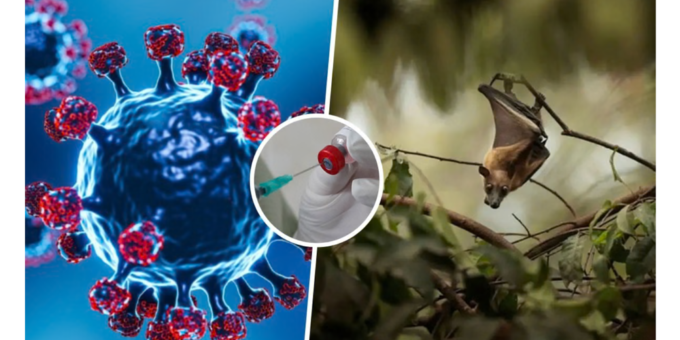
The Nipah virus is considered one of the deadliest zoonotic infections globally, not because it spreads rapidly like influenza or COVID-19, but because of its extremely high fatality rate, rapid progression, and severe brain involvement. Medical experts warn that once symptoms escalate, the disease can turn fatal within days. According to available data, the case fatality rate of Nipah virus ranges between 50 and 75 per cent, placing it among the most lethal viral infections known to humans. In this explainer, Dr Dip Narayan Mukherjee, Consultant – Microbiology and Infectious Diseases, CK Birla Hospitals, CMRI, sheds light on why the virus is so dangerous and difficult to control. Why Is the Nipah Virus So Deadly? According to Dr Mukherjee, Nipah’s lethality lies in a combination of delayed symptom recognition, aggressive disease progression, and early involvement of the brain. “Nipah virus often begins with very non-specific symptoms, which makes early detection difficult. By the time it is clinically suspected, the virus may have already affected the brain,” he explains. Early Symptoms Often Go Unnoticed One of the biggest challenges in controlling Nipah virus is that its initial symptoms closely resemble common viral illnesses, leading to delays in diagnosis and isolation. Early symptoms include: Fever Headache Cough Muscle pain General weakness “These symptoms are easily mistaken for flu, viral fever, or respiratory infections,” says Dr Mukherjee. “This delay gives the virus time to progress silently.” Severe Brain Infection Drives High Mortality The most dangerous aspect of Nipah virus infection is its neurological involvement. The virus frequently causes encephalitis, or inflammation of the brain, which significantly increases the risk of death. Neurological symptoms may include: Seizures Confusion and altered consciousness Extreme drowsiness Coma “Once the central nervous system is involved, the disease becomes very difficult to manage,” Dr Mukherjee notes. “At this stage, treatment is largely supportive because there is no specific antiviral therapy available.” This lack of targeted treatment options makes early detection critical. Human-to-Human Transmission Raises Risk While Nipah virus is primarily transmitted from fruit bats, it can also spread from person to person, particularly in healthcare settings. Dr Mukherjee points out that: Caregivers and healthcare workers are at higher risk Exposure to high viral loads can worsen outcomes Inadequate infection control increases transmission risk “Strict adherence to infection control practices is essential. Even a small lapse can result in secondary infections,” he says. Zoonotic Nature Makes Exposure Hard to Predict Nipah virus is transmitted from fruit bats, either directly or through intermediate hosts such as pigs. This zoonotic pattern makes outbreaks unpredictable, especially in regions where humans, animals, and wildlife interact closely. Adding to the challenge: There is no approved vaccine Treatment options remain limited Isolation protocols must be strictly enforced What Can Reduce Nipah Fatalities? According to experts, early action remains the most effective defence against Nipah virus. Key measures include: Early isolation of suspected cases Strict use of personal protective equipment (PPE) Rapid escalation and referral to specialised centres Strong hospital infection control protocols “The earlier the virus is identified and contained, the better the chances of preventing severe disease and fatalities,” Dr Mukherjee emphasises. The Bottom Line Nipah virus continues to be a serious public health threat because of its high fatality rate, neurological complications, and lack of targeted treatment. Its ability to masquerade as a mild illness in the early stages makes vigilance crucial. Health experts stress that awareness, early suspicion, and strict infection control are currently the most powerful tools to reduce deaths linked to this deadly virus. As Dr Mukherjee concludes, “With Nipah, time is the most critical factor. Early recognition can save lives.”
Latest News

Why Nipah Virus Has a High Fatality Rate: Factors Affecting Disease Severity

The Nipah virus is widely regarded as one of the deadliest zoonotic...

×