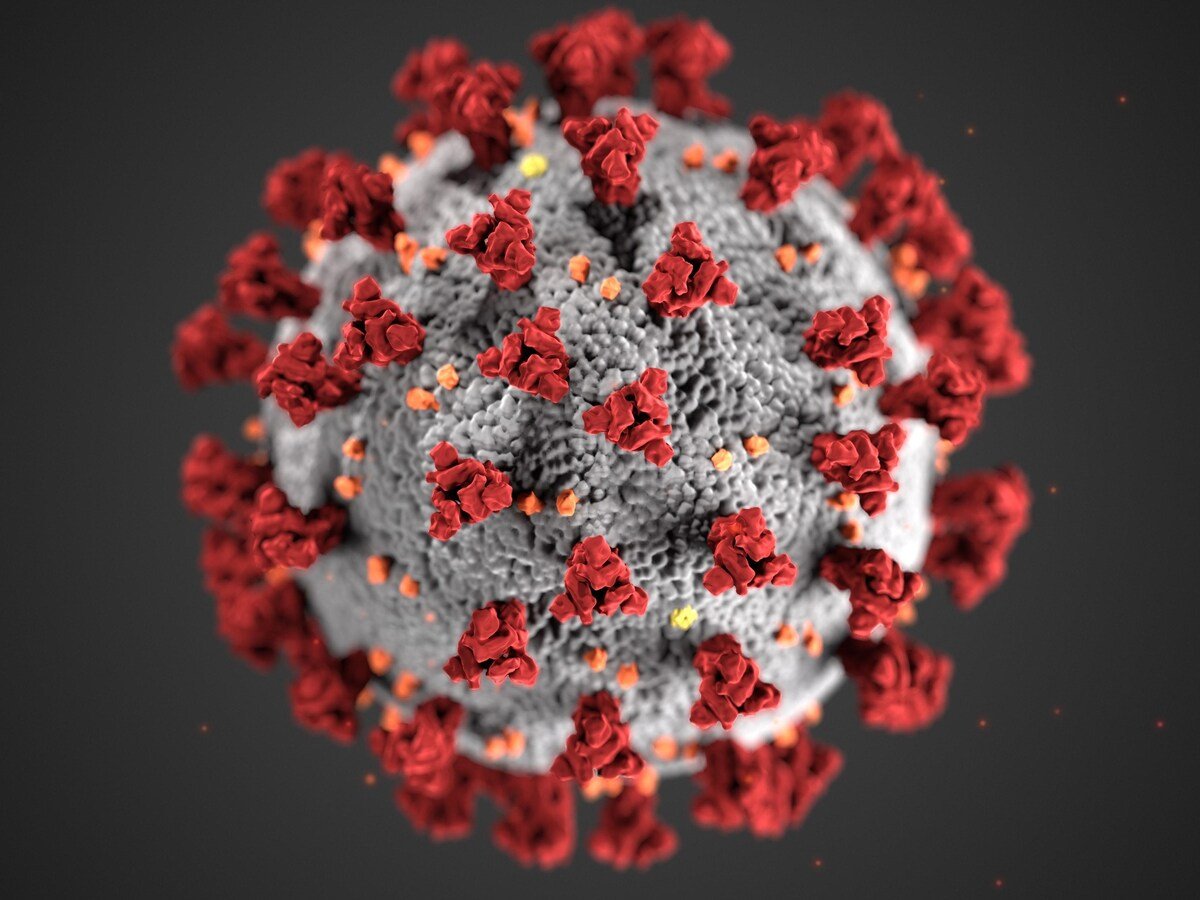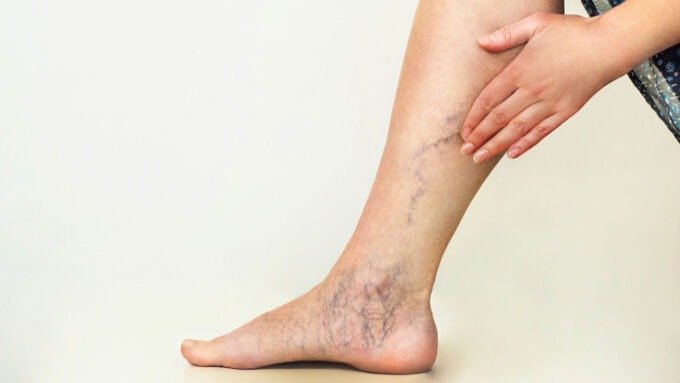
Filmmaker Kiran Rao recently revealed that she has been diagnosed with chikungunya, sharing that she is struggling so much with joint pain that she “can’t even hold a book up.” Her statement has drawn attention to a lesser-discussed but highly debilitating symptom of the viral infection — severe joint inflammation.
While chikungunya is often seen as a mosquito-borne fever, doctors warn that its real impact can extend far beyond a few days of illness. In many cases, it can lead to long-lasting joint problems that affect daily life.
What Is Chikungunya?
Chikungunya is a viral disease transmitted to humans through the bite of infected Aedes mosquitoes, the same mosquitoes responsible for dengue and Zika.
The name “chikungunya” comes from a word meaning “to bend over,” describing the posture many patients adopt due to intense joint pain.
Outbreaks are common in India, especially during and after the monsoon season when mosquito breeding increases.
Why Does Chikungunya Cause Severe Joint Pain?
One of the hallmark symptoms of chikungunya is sudden, intense joint pain, often affecting:
- Wrists
- Ankles
- Fingers
- Knees
- Shoulders
The virus triggers a strong immune response, causing inflammation in the joints and surrounding tissues. This inflammation can be so severe that even simple tasks — like lifting a cup, walking, or holding a book, as Kiran Rao mentioned — become painful.
How Does It Impact Joint Health?
Unlike many viral fevers that resolve quickly, chikungunya is known for its lingering effects on joints.
1. Acute Joint Inflammation
In the first few days, patients may experience:
- Swollen joints
- Severe stiffness
- Pain with movement
- Difficulty walking
This stage can feel similar to arthritis.
2. Prolonged Joint Pain (Post-Viral Arthritis)
For some people, joint pain doesn’t disappear after the fever subsides. It can continue for weeks or even months.
Doctors call this post-chikungunya arthritis, and it may mimic conditions like rheumatoid arthritis.
3. Chronic Joint Problems
In rare cases, chikungunya can trigger long-term joint issues lasting over a year, especially in:
- Older adults
- People with weak immunity
- Those with pre-existing joint disorders
This is why recovery can be frustratingly slow.
Other Symptoms of Chikungunya
Along with joint pain, chikungunya commonly causes:
- High fever
- Muscle aches
- Headache
- Rash
- Fatigue
- Swelling around joints
Many patients report extreme weakness, making it difficult to return to normal activities quickly.
How Is Chikungunya Diagnosed?
Doctors diagnose chikungunya through:
- Symptom history
- Blood tests (to confirm the virus)
- Differentiation from dengue, which can appear similar
Early diagnosis is important for proper monitoring and supportive care.
Treatment: Can Joint Damage Be Prevented?
There is no specific antiviral cure for chikungunya, but treatment focuses on relieving symptoms:
- Rest and hydration
- Paracetamol for fever and pain
- Anti-inflammatory medications (only under medical advice)
- Physiotherapy for stiffness
- Gentle joint movement to prevent immobility
Aspirin and ibuprofen are usually avoided until dengue is ruled out, due to bleeding risk.
How to Protect Yourself From Chikungunya
Prevention remains the best defense. Experts recommend:
- Using mosquito repellents
- Wearing full-sleeved clothing
- Avoiding stagnant water near homes
- Using mosquito nets and screens
- Keeping surroundings clean, especially during monsoon
Kiran Rao’s experience highlights how chikungunya is not just a “viral fever,” but a disease that can seriously affect joint health and daily functioning. While most people recover fully, joint pain can linger and disrupt life for weeks or longer.
If you experience high fever with intense joint pain, consult a doctor early. Timely care and rest can help prevent prolonged complications.