

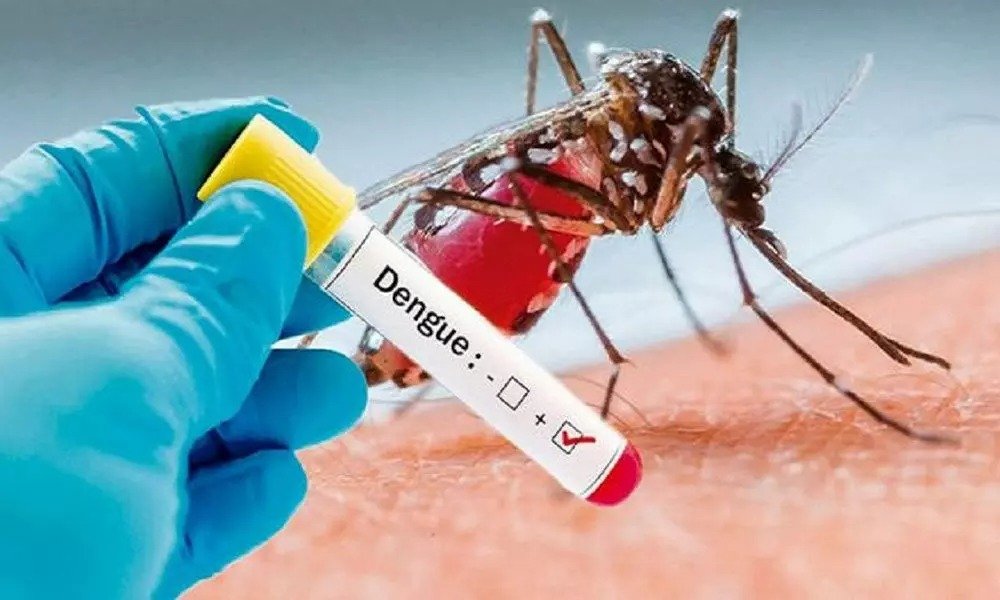
New Delhi, 25 May 2025: Thiruvananthapuram – As the southwest monsoon sets in across Kerala, health authorities have issued an alert for potential outbreaks of dengue fever and leptospirosis, two life-threatening diseases that typically surge during the rainy season.
With rising humidity, stagnant water accumulation, and poor sanitation in many areas, conditions are ripe for mosquito breeding and water contamination—raising serious public health concerns. The Kerala Health Department is now gearing up for a proactive fight to prevent the situation from escalating into a full-blown health crisis.
Dengue Threat Looms Large
Dengue fever, caused by the Aedes aegypti mosquito, is a perennial problem during the monsoon months in Kerala. Health experts warn that even a small collection of stagnant water—such as in flower pots, discarded containers, or blocked drains—can serve as breeding grounds for dengue-carrying mosquitoes.
“Last year, we witnessed a significant spike in dengue cases between June and September,” said Dr. R. Anil, Director of Health Services. “This year, we are doubling down on surveillance, mosquito control, and public awareness to prevent another outbreak.”
District medical offices have been instructed to activate fever clinics and vector surveillance teams. Fogging operations and larvicide treatments are being carried out in high-risk zones. Citizens are also being urged to wear full-sleeved clothing, use mosquito repellents, and ensure their homes and surroundings are kept clean and dry.
Leptospirosis Cases on the Radar
Apart from dengue, leptospirosis, also known as rat fever, is a major concern during the monsoon. The bacterial infection spreads through water contaminated with urine from infected animals, especially rodents. People wading through floodwaters, agricultural workers, and sanitation personnel are most at risk.
“We are seeing early signs of leptospirosis cases in Alappuzha, Ernakulam, and Kozhikode,” said Dr. Mini M. George, a senior epidemiologist. “Preventive antibiotic therapy and public advisories are being issued to at-risk populations, especially those working in flood-prone or agricultural areas.”
The Health Department has recommended doxycycline tablets as a preventive measure and is distributing them free through primary health centres.
Hospitals Told to Stay Prepared
In an official advisory, the Kerala Health Department has directed all government and private hospitals to gear up for a potential surge in vector-borne and waterborne diseases. Adequate stockpiling of medicines, diagnostic kits, IV fluids, and personal protective equipment (PPE) has been mandated.
Isolation wards for dengue and leptospirosis patients are being prepared in government hospitals, with clear protocols for fever management and timely referral to higher centres if needed.
“We’ve asked all district medical officers to conduct regular reviews and send situation reports every 48 hours,” said Health Minister Veena George. “The focus is on early detection, aggressive treatment, and community awareness.”
Public Health Campaigns in Full Swing
To tackle the growing threat, awareness campaigns have been launched through schools, anganwadis, local television, and social media. Panchayats have been roped in to conduct house-to-house visits to educate residents on eliminating breeding spots and seeking timely medical help.
Children, the elderly, and those with weakened immune systems have been flagged as vulnerable groups who need extra protection during this season.
Authorities are also working with local self-governments to improve waste management and clear clogged drains, two key contributors to the annual dengue surge.
How to Stay Safe This Monsoon
Remove stagnant water from rooftops, flowerpots, and unused containers.
- Use mosquito repellents and sleep under nets.
- Avoid wading through floodwaters unless absolutely necessary.
- Wear protective footwear and gloves if working in the fields.
- Seek medical help immediately if symptoms like high fever, body pain, rashes, or vomiting occur.
As Kerala braces for another intense monsoon season, vigilance and community cooperation will be key to preventing dengue and leptospirosis outbreaks. The Health Department’s multi-pronged strategy—combining prevention, early diagnosis, and public awareness—aims to protect millions from falling prey to these seasonal diseases.
Stay updated for daily health alerts and monsoon disease updates.
















Leave a comment