

New Delhi, 04 August 2025: Prediabetes is a health condition where your blood sugar levels are higher than normal but not high enough to be diagnosed as type 2 diabetes. It acts as a red flag indicating that your body’s insulin response is not working optimally. According to global health data, millions of people live with prediabetes without even realizing it. The condition often has no clear symptoms, making it easy to ignore.
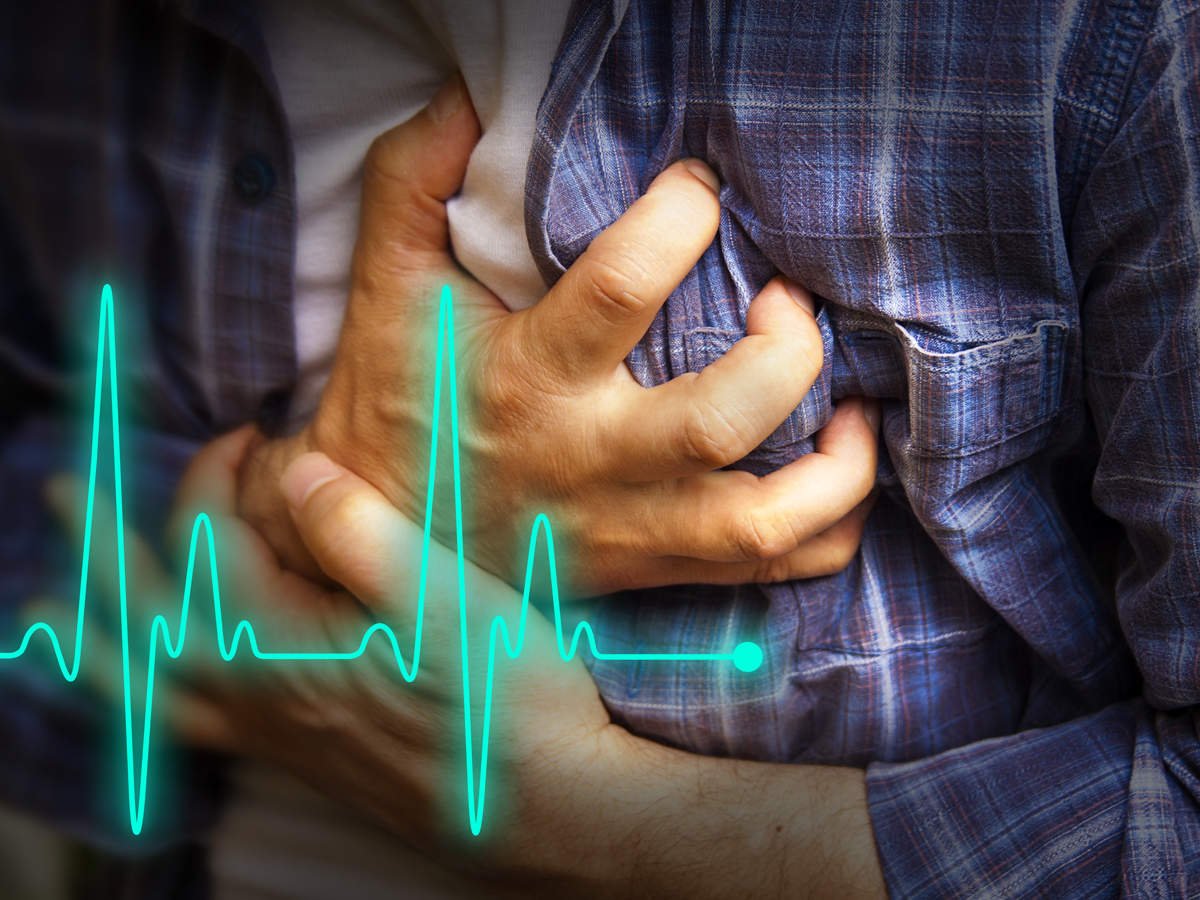
However, the absence of symptoms does not mean there is no damage happening within the body. Prediabetes not only increases your risk of developing type 2 diabetes but also significantly raises your chances of having a heart attack, stroke, or other cardiovascular issues.
The Link Between Prediabetes and Heart Disease
Prediabetes impacts more than just blood sugar. It affects the lining of your blood vessels, promotes inflammation, and interferes with how fats and cholesterol are processed. All of these factors contribute to plaque buildup in arteries — the underlying cause of many heart conditions.
Studies have shown that people with prediabetes are at 20–30% higher risk of heart-related complications compared to those with normal blood sugar levels. Even in the absence of full-blown diabetes, the metabolic imbalance associated with prediabetes causes damage over time.
How Prediabetes Affects the Heart
Here are the key ways prediabetes silently hurts your cardiovascular system:
1. Increased Inflammation
High blood sugar triggers low-grade inflammation in the body. This inflammation damages the walls of blood vessels, making them more susceptible to plaque buildup and narrowing — a major cause of heart attacks.
2. Endothelial Dysfunction
Prediabetes can damage the endothelium, which is the thin layer lining the inside of blood vessels. When this layer is compromised, it affects blood flow and can lead to hypertension and artery stiffness.
3. Elevated LDL and Triglycerides
Prediabetes is often accompanied by abnormal cholesterol levels — particularly elevated “bad” LDL cholesterol and triglycerides — which can clog arteries and raise the risk of heart disease.
4. Insulin Resistance and Blood Pressure
Insulin resistance is a hallmark of prediabetes. It also contributes to high blood pressure, another major risk factor for heart problems.
Early Signs of Prediabetes to Watch Out For
Prediabetes is tricky because it often develops without any obvious symptoms. However, the following signs may indicate trouble:
- Increased thirst and frequent urination
- Unexplained fatigue
- Blurred vision
- Dark patches of skin, especially around the neck or armpits (acanthosis nigricans)
- Increased hunger
- Difficulty concentrating
If you notice any of these symptoms, especially if you have a family history of diabetes or heart disease, it is essential to get a blood test to measure your fasting glucose or HbA1c levels.
Who Is at Risk of Prediabetes and Heart Disease?
Several factors increase your risk of developing both prediabetes and heart problems. These include:
- Being overweight or obese
- Having a sedentary lifestyle
- Age over 45 years
- Family history of type 2 diabetes
- High blood pressure
- Polycystic ovary syndrome (PCOS)
- Smoking
- Unhealthy diet
Even if you’re not overweight, you could still be at risk if you lead an inactive lifestyle or have a poor diet.
Preventing Heart Disease in Prediabetics
The good news is that prediabetes is reversible. Making lifestyle changes can significantly lower your risk of developing type 2 diabetes and prevent heart damage. Here’s how:
1. Lose Extra Weight
Even a modest weight loss of 5–7% of your body weight can improve insulin sensitivity and reduce cardiovascular risk.
2. Exercise Regularly
Aim for at least 150 minutes of moderate-intensity aerobic activity per week. Brisk walking, cycling, and swimming are excellent choices for improving heart and metabolic health.
3. Eat a Heart-Healthy Diet
Include more vegetables, fruits, whole grains, and lean proteins in your diet. Cut down on sugar, refined carbs, and processed foods. Limit saturated fats and avoid trans fats.
4. Manage Blood Pressure and Cholesterol
If you have high blood pressure or cholesterol, follow your doctor’s advice to manage them through medication or lifestyle changes.
5. Quit Smoking
Smoking is a major risk factor for both heart disease and insulin resistance. Quitting can drastically improve your cardiovascular and metabolic health.
6. Get Regular Health Checkups
Routine screenings can catch rising blood sugar or cholesterol levels before they become dangerous. Early detection means easier management.
What Tests Should You Take?
To detect prediabetes and assess heart risk, your doctor may recommend the following tests:
- Fasting Blood Sugar Test
- HbA1c Test (average glucose over 3 months)
- Lipid Profile (for cholesterol and triglycerides)
- Blood Pressure Monitoring
- C-Reactive Protein (inflammation marker)
- ECG or Stress Test (to assess heart function)
These simple diagnostic tools can help identify risk factors early so you can make changes before serious damage occurs.
Can Prediabetes Be Reversed?
Yes. With sustained lifestyle changes and medical supervision, many people are able to return their blood sugar levels to the normal range and reduce their heart risk. The key is not waiting until symptoms appear. Prediabetes and early cardiovascular damage often go unnoticed until it’s too late.
REMARK FROM EXPERT: Don’t Ignore Prediabetes
Prediabetes should not be taken lightly. It’s not just a warning sign of diabetes — it’s a direct risk factor for heart disease, one of the leading causes of death globally. If you or someone you know has been diagnosed with prediabetes, taking action now can prevent a heart attack later.
Monitoring your health, adopting a heart-friendly lifestyle, and getting regular medical checkups can make a significant difference. The earlier you act, the better your chances of reversing the damage and safeguarding your heart.












Leave a comment