

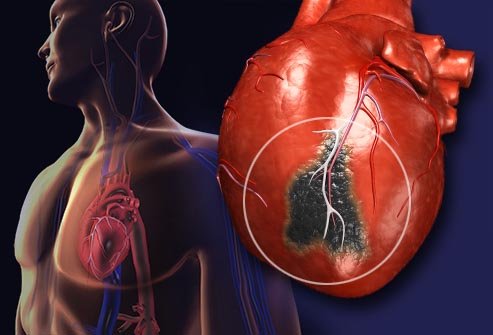
New Delhi, 05 August 2025: Chronic inflammation has long been tied to serious health concerns such as heart disease, arthritis, and diabetes. But a new 2025 study has found an even deeper and more disturbing link: inflammation may be quietly fueling frailty and cardiovascular disease in women — especially those living in social deprivation or isolation.
The research, which observed thousands of middle-aged and older women, discovered that higher levels of inflammatory markers like C-reactive protein (CRP) and interleukin-6 (IL-6) were strongly associated with increased risk of becoming physically frail, developing heart disease, and suffering from the effects of socioeconomic hardship.
These findings could change how we approach women’s health — placing greater emphasis not only on medical treatment, but also on addressing social inequalities and lifestyle factors that increase inflammation.
What the Study Found: Inflammation, Frailty, and Isolation
The large-scale study followed women aged 40 to 75 over several years, measuring inflammation markers and evaluating their physical, emotional, and social wellbeing. Researchers noted three key patterns:
- Women with consistently high inflammation levels were more likely to become frail over time.
- Those living in socially deprived environments — including loneliness, economic hardship, and lack of community support — had elevated CRP and IL-6.
- Elevated inflammation was an independent predictor of heart disease, even in women with otherwise healthy cholesterol or blood pressure.
Frailty, in this context, refers to a clinical condition involving unintentional weight loss, muscle weakness, fatigue, and slow walking speed — a syndrome that increases vulnerability to falls, hospitalization, and premature death.
What Is Chronic Inflammation?
Inflammation is the body’s natural response to injury or infection. While acute inflammation helps heal wounds and fight off pathogens, chronic inflammation can damage tissues and lead to long-term health issues.
In women, especially post-menopause, chronic inflammation becomes more common due to hormonal changes, lifestyle factors, and age-related biological shifts. Over time, this low-level inflammation can weaken the immune system, reduce muscle strength, and contribute to cardiovascular dysfunction.
Key inflammatory markers like C-reactive protein (CRP) and interleukin-6 (IL-6) serve as red flags that signal ongoing internal stress in the body.
Social Deprivation and Inflammation: A Vicious Cycle
Social deprivation — which includes financial hardship, poor access to healthcare, and lack of supportive relationships — was strongly tied to high inflammation levels in the study.
Women who lived alone, were socially isolated, or faced long-term economic difficulties showed a significant rise in inflammatory biomarkers. This, in turn, increased their risk of becoming frail and developing heart disease.
How Does Loneliness Trigger Inflammation?
- Stress hormone activation: Chronic stress from isolation or financial strain activates the HPA axis, which increases inflammation.
- Unhealthy coping habits: Deprived individuals are more likely to smoke, eat poorly, or remain sedentary — all of which fuel inflammation.
- Sleep disruption: Stress and loneliness disturb sleep quality, another key factor in inflammation.
This creates a biological feedback loop where poor social conditions increase inflammation, which weakens physical health, leading to even greater isolation.
Heart Disease Risk: Why Inflammation Is a Hidden Danger
Cardiovascular disease remains the leading cause of death in women, but it’s often underdiagnosed because women may not present with the classic symptoms of heart problems.
This study highlights a less visible threat: chronic inflammation may be silently damaging blood vessels, increasing arterial stiffness, and leading to atherosclerosis — even in women without elevated cholesterol or blood pressure.
Women with high IL-6 and CRP levels had significantly higher risk of:
- Heart attacks
- Stroke
- Coronary artery disease
- Hypertension
These findings suggest that measuring inflammatory markers could be crucial for early detection and prevention of cardiovascular problems in women — especially those in vulnerable social circumstances.
Why Women Are More Affected: The Gender Gap in Inflammation
There are several reasons why women, particularly older or socially deprived women, are more impacted by inflammation-related health decline:
1. Hormonal Changes
Estrogen, which helps regulate inflammation, declines after menopause — increasing susceptibility to chronic inflammation.
2. Higher Autoimmune Rates
Women are more likely to develop autoimmune conditions like rheumatoid arthritis and lupus, both of which involve systemic inflammation.
3. Emotional Stress Load
Many women juggle caregiving, work, and household responsibilities, all of which increase emotional stress and inflammatory response.
4. Under-recognition of Symptoms
Women’s heart symptoms are often vague or atypical and are sometimes dismissed by medical professionals, delaying diagnosis and treatment.
What Women Can Do: Natural Ways to Lower Inflammation
The good news is that inflammation can often be lowered through lifestyle changes, especially when detected early. Here’s how women can protect themselves:
1. Follow an Anti-Inflammatory Diet
- Eat more: fatty fish, green leafy vegetables, turmeric, nuts, olive oil, berries.
- Avoid: processed food, refined carbs, fried items, sugary drinks.
2. Exercise Regularly
- Engage in moderate activity like walking, swimming, or yoga at least 150 minutes per week.
- Movement reduces inflammatory markers and strengthens heart and muscles.
3. Build Social Connections
- Join community or wellness groups, volunteer, or engage in group fitness to combat loneliness and its effects on health.
4. Manage Stress Proactively
- Practice meditation, deep breathing, journaling, or therapy to lower cortisol and reduce internal stress.
5. Prioritize Sleep
- Aim for 7–8 hours of restful sleep. Poor sleep quality is a major driver of systemic inflammation.
6. Stay on Top of Health Screenings
- Ask your doctor about checking CRP and IL-6 levels.
- Monitor blood pressure, blood sugar, and cholesterol regularly.
Future of Women’s Health: What Needs to Change
This study provides compelling evidence that inflammation, frailty, and social conditions are deeply connected, and women are particularly at risk. Going forward, experts are calling for:
- Routine inflammation screening in women over 40
- Integrated care models that consider physical, emotional, and social health
- Policy changes to support women in deprived communities through better healthcare access, nutrition programs, and mental health support
Chronic inflammation isn’t just a buzzword — it’s a real and silent threat to women’s physical and emotional wellbeing. Left unchecked, it can lead to frailty, heart disease, and even early mortality — especially in those facing social deprivation.
But by recognizing the warning signs and taking proactive steps — through diet, exercise, community connection, and medical support — women can take control of their health and reduce their risk.
This new study is a call to action — for healthcare systems, families, and women themselves — to listen to the body’s silent signals and extinguish inflammation before it ignites a bigger health crisis.











Leave a comment