

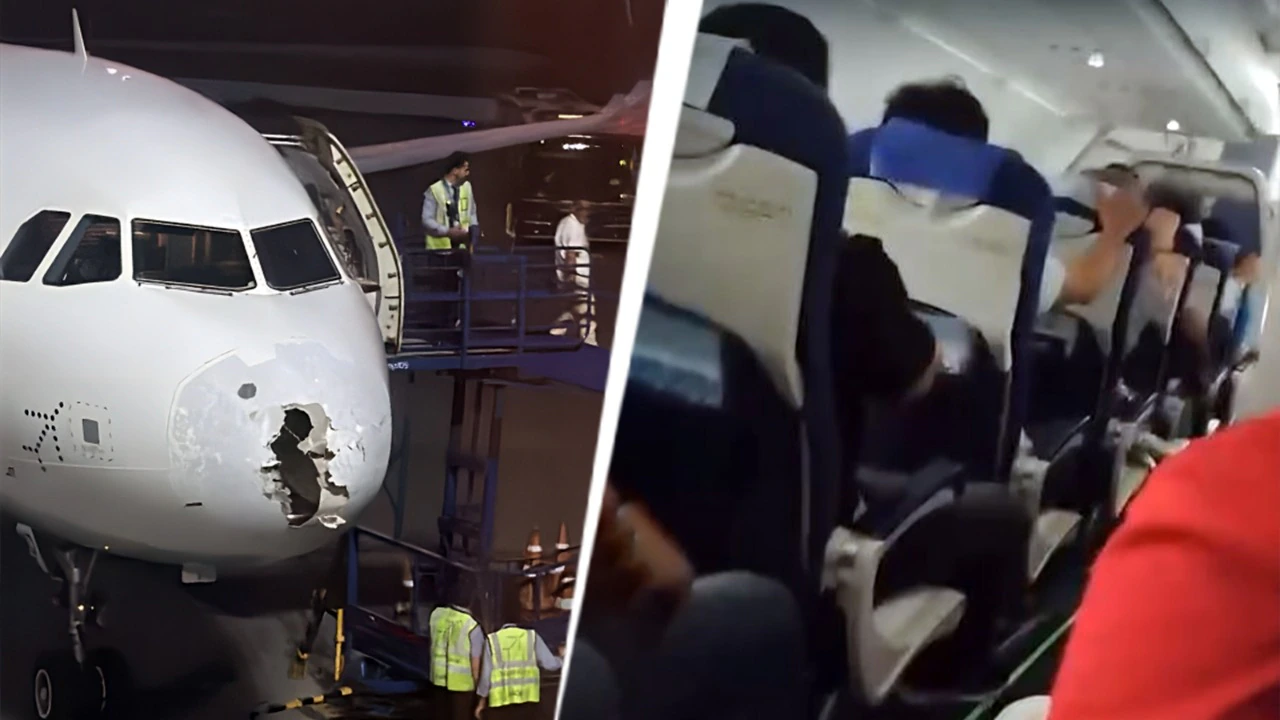
New Delhi, 22 May 2025: A recent Delhi-to-Srinagar IndiGo flight turned into a terrifying ordeal for passengers when the aircraft was hit by severe mid-air turbulence, leaving many screaming, crying, and fearing for their lives. Several passengers reportedly suffered panic attacks, and videos capturing the chilling moments have gone viral across social media platforms.
The horrifying incident not only highlights the real fear of turbulence during flights, but also brings into focus a lesser-discussed issue — turbulence-induced anxiety and panic attacks. So, what causes such intense fear, and how can travelers manage it?
What Happened on the IndiGo Flight?
According to passenger accounts and viral videos, the IndiGo flight from Delhi to Srinagar experienced violent air turbulence mid-route. The flight, which should have been a routine journey, turned into a nightmare for many.
In the video that has now gone viral, passengers can be seen crying, holding on to seats, and screaming in fear as the aircraft shakes violently. Some described it as a “near-death experience,” while others said it felt like the aircraft “dropped from the sky.”
While no injuries were reported, many suffered acute anxiety attacks, and some required assistance after landing.
What Is Turbulence and Why Does It Happen?
Turbulence is a common occurrence in air travel caused by unpredictable changes in air movement. These may be due to weather disturbances like storms, jet streams, or even when flying over mountain ranges.
While turbulence may feel dangerous, modern aircraft are designed to handle it safely. Pilots are also trained to navigate and respond appropriately to such disturbances.
However, for passengers, especially those with a fear of flying (aviophobia), these moments can trigger intense emotional and physical reactions, including panic attacks.
What Is Turbulence Anxiety?
Turbulence anxiety is the overwhelming fear or stress experienced during flight disturbances. It can affect both first-time flyers and frequent travelers, particularly if they’ve had a previous traumatic experience or suffer from generalized anxiety disorder (GAD).
Symptoms may include:
Rapid heartbeat
Sweating and shortness of breath
Chest tightness or dizziness
Nausea
Feeling of losing control or impending doom
For some, these symptoms escalate into full-blown panic attacks, making the flying experience traumatic.
Why Turbulence Triggers Panic Attacks
Even though turbulence is rarely dangerous, it can feel life-threatening. The loss of control, sudden jarring movements, and fear of crashing often simulate the conditions that trigger a panic response in the brain.
The viral video from the IndiGo flight shows just how intense this fear can become when paired with physical cues like shaking, overhead bins rattling, and cabin lights flickering. Such conditions can mimic scenes from disaster movies and heighten the psychological impact, especially on anxious passengers.
How to Manage Turbulence Anxiety
Here are some expert-backed strategies to stay calm and reduce panic when turbulence strikes:
- Understand the Science
Knowing that turbulence is normal and rarely dangerous can help ease your mind. Pilots encounter turbulence often, and planes are built to handle far worse than what most passengers experience.
- Practice Deep Breathing
Use the 4-7-8 breathing technique: Inhale for 4 seconds, hold for 7, and exhale for 8. This helps calm the nervous system and reduces anxiety symptoms.
- Avoid Stimulants
Before and during the flight, avoid caffeine or energy drinks, as they can increase heart rate and anxiety.
- Distract Yourself
Listening to calming music, watching a movie, or reading a book can shift your focus away from the turbulence.
- Talk to the Crew
Let flight attendants know if you’re feeling anxious. They are trained to assist nervous flyers and can provide reassurance.
- Consider Professional Help
If your fear of flying is severe, therapy or anti-anxiety medication prescribed by a doctor can help manage the condition long-term.
The recent turbulence incident on the Delhi-Srinagar IndiGo flight has reignited concerns over air travel anxiety and passenger safety during turbulence. While the skies can be unpredictable, being mentally prepared and understanding the nature of turbulence can make a huge difference.
As more passengers share their stories, the focus is now on improving mental health support for air travelers and educating the public about the realities of flying.
Remember, turbulence is temporary — but staying calm is powerful.















Leave a comment