

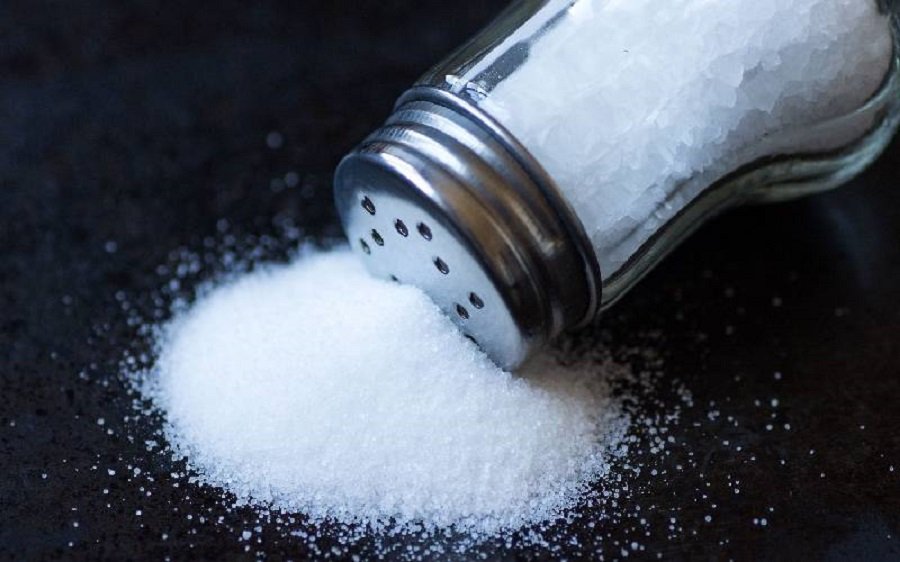
New Delhi, 13 July 2025: A growing health concern has emerged across India as new data reveals that the average Indian is consuming nearly double the daily recommended amount of salt, increasing the risk of hypertension, heart disease, and stroke. In response to this alarming trend, the Indian Council of Medical Research (ICMR) has initiated a comprehensive nationwide study aimed at assessing salt consumption patterns and identifying strategies to reduce excessive intake. The World Health Organization (WHO) recommends no more than 5 grams of salt per day, but Indian adults are reportedly consuming around 10 grams daily, largely through processed foods, traditional recipes, and hidden salt in packaged items. This excessive intake has sparked concern among health experts and policymakers alike.
How Much Salt Is Too Much? Understanding the WHO Guidelines
The WHO recommends a daily salt intake of less than 5 grams — approximately one teaspoon — for optimal health. Consuming more than this limit can lead to elevated blood pressure, a major risk factor for heart attacks, strokes, and kidney disease. Unfortunately, the typical Indian diet far exceeds this limit, with many individuals unknowingly consuming double the amount through everyday meals and snacks. Pickles, papads, chutneys, processed meats, instant noodles, and even breakfast cereals often contain high amounts of hidden sodium. The cumulative effect of these dietary habits is a national health burden that continues to escalate.
Why Indians Are Consuming Excess Salt Without Realizing It
One of the key challenges in reducing salt consumption is the lack of awareness about how much sodium is actually present in commonly consumed foods. In India, traditional cooking methods often rely on generous amounts of salt, while the increasing popularity of packaged and ready-to-eat products adds another layer of risk. Studies have shown that even foods that don’t taste overly salty can contain significant amounts of sodium due to preservatives, flavor enhancers, and additives. Eating out, especially in urban areas, has also contributed to rising salt intake, as restaurants typically use more salt for taste appeal. Without clear labeling or public knowledge, most people remain unaware of their daily salt consumption.
ICMR’s Nationwide Study: What It Aims to Achieve
To address this widespread issue, the ICMR has launched a detailed multi-phase study across various states in India. The study will collect urine samples, dietary data, and health metrics from participants of different age groups and socio-economic backgrounds. The goal is to establish a clear picture of India’s salt consumption habits and their impact on public health. Based on the findings, the council plans to recommend new guidelines for food industries, develop awareness campaigns, and suggest regulatory measures to limit salt content in processed products. The initiative is a significant step toward tackling one of India’s most overlooked dietary risks.
The Health Risks of High Salt Intake You Shouldn’t Ignore
Excessive salt intake is directly linked to high blood pressure, also known as hypertension, which is a silent but deadly condition affecting millions of Indians. High blood pressure increases the strain on the heart, damages arteries, and raises the risk of cardiovascular diseases, strokes, and kidney failure. Moreover, emerging research also connects high sodium levels with an increased risk of osteoporosis, gastric cancer, and even cognitive decline. Children and adolescents exposed to salty diets early on may develop a preference for high-sodium foods, setting the stage for future health complications. Reducing salt intake is therefore a preventive strategy with wide-reaching benefits.
How You Can Cut Down on Salt and Protect Your Health
Making small changes in daily habits can go a long way in reducing salt intake. Opt for fresh, home-cooked meals over packaged or processed foods, and use herbs, spices, and lemon juice to enhance flavor without adding extra salt. Avoid adding salt at the table, read food labels for sodium content, and choose low-sodium alternatives where possible. Awareness is the first step — by becoming mindful of how much salt you consume, you can significantly lower your risk of chronic health issues. Public health efforts like the ICMR study are crucial, but lasting change also depends on individual choices and informed eating.
India’s rising salt consumption is a silent epidemic that requires immediate attention. While the ICMR study is a positive move toward evidence-based policymaking, broader changes are essential — including clearer food labeling, stricter sodium regulations for food manufacturers, and nationwide health education campaigns. As the country faces a surge in non-communicable diseases, reducing salt intake could play a key role in improving national health outcomes. The path to a healthier India begins with awareness, action, and a conscious shift toward a balanced, low-sodium diet.















Leave a comment