


New Delhi, 09 September, 2025: Cancer is emerging as one of India’s most pressing health challenges, with new data showing that the country’s cancer burden is rising at an alarming pace. Metropolitan hubs like Hyderabad and Delhi, along with the Northeastern states, are now being identified as cancer hotspots. The trend not only underscores a growing public health emergency but also points toward lifestyle shifts, environmental factors, and gaps in early detection and treatment.
In this article, we will examine the scale of India’s cancer crisis, explore why certain regions are particularly affected, look at the role of lifestyle and environmental triggers, and discuss what measures are urgently needed to tackle the growing epidemic.
India’s Growing Cancer Burden
According to recent health data, India records nearly 14 to 15 lakh new cancer cases annually, with projections suggesting this figure may rise significantly in the coming decade. Experts warn that by 2030, the number of cancer patients in India could touch 20 lakh annually, placing an enormous strain on the healthcare system.
What is particularly concerning is the increase in cancers of the breast, cervix, lungs, stomach, and oral cavity, which collectively account for a large proportion of new cases. This pattern highlights the dual impact of lifestyle-related risk factors such as diet, tobacco, and alcohol use, along with infections and environmental pollutants.
Why Hyderabad, Delhi, and the Northeast Are Hotspots
1. Delhi – Air Pollution and Lifestyle Factors
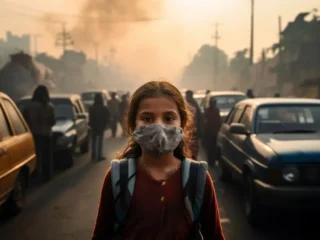
Delhi consistently ranks among the most polluted cities in the world, and the connection between air quality and cancer incidence is becoming increasingly evident. Prolonged exposure to air pollutants, especially PM2.5 and carcinogenic chemicals, has been linked to lung cancer and other respiratory cancers.
Additionally, lifestyle-related factors such as sedentary behavior, high consumption of processed foods, and rising obesity levels are contributing to breast and colorectal cancers in the capital. Delhi also sees high cases of oral and throat cancers due to widespread tobacco and smokeless tobacco consumption.
2. Hyderabad – Lifestyle and Urban Stress
Hyderabad has rapidly urbanized in the last two decades, bringing prosperity but also lifestyle diseases. The city has seen a sharp rise in breast, cervical, and colorectal cancers, largely attributed to sedentary living, delayed childbirth, reduced breastfeeding, and unhealthy dietary patterns.
Healthcare providers in Hyderabad are also reporting higher cases of liver cancer, partly due to excessive alcohol consumption and fatty liver disease caused by metabolic disorders like diabetes and obesity.
3. Northeast India – Tobacco Use and Dietary Risks
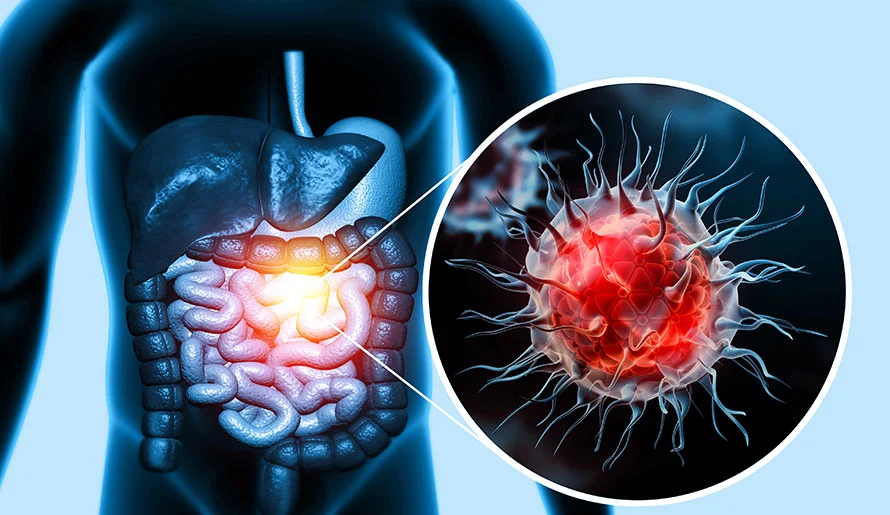
The Northeast has long been identified as one of India’s biggest cancer hotspots. States like Mizoram, Arunachal Pradesh, and Nagaland record the highest incidence of stomach, esophageal, and lung cancers in the country.
A major driver is the widespread use of tobacco in both smoking and smokeless forms. In Mizoram, for instance, over 70% of adults consume some form of tobacco. Traditional dietary practices, including the consumption of smoked meats and fermented foods with high levels of nitrates, also increase cancer risks.
The combination of genetic predisposition, poor access to healthcare, and late diagnosis makes the Northeast particularly vulnerable.
Key Drivers of Rising Cancer Cases in India
1. Tobacco and Alcohol Consumption
Tobacco remains the single largest cause of cancer in India, responsible for nearly 30% of all cancer cases. Alcohol, when combined with tobacco use, multiplies the risk, particularly for cancers of the throat, mouth, and esophagus.
2. Dietary Shifts and Obesity
India is experiencing a nutritional transition. Traditional diets rich in vegetables and grains are increasingly being replaced by processed, high-fat, and sugary foods. Obesity rates are climbing, especially in urban areas, leading to higher risks of breast, colorectal, and pancreatic cancers.
3. Air Pollution
Both outdoor and indoor air pollution are now proven carcinogens. Delhi’s example demonstrates how prolonged exposure to particulate matter increases lung cancer risks. Similarly, the use of biomass fuels in rural homes contributes to cancer risk among women.
4. Infections
Certain infections are major cancer triggers in India. For instance, Human Papillomavirus (HPV) infection is a leading cause of cervical cancer in women, while Hepatitis B and C are major contributors to liver cancer.
5. Late Detection and Stigma
One of the most pressing challenges is that many cancers are diagnosed at late stages due to lack of screening programs, poor awareness, and stigma surrounding the disease. This delays treatment and reduces survival rates.
The Economic and Social Impact
The rising cancer burden in India is not only a health issue but also an economic one. Cancer treatment is expensive and often pushes families into financial distress. Studies suggest that 70% of cancer patients in India pay for their treatment out of pocket, and nearly half are forced to abandon treatment midway due to high costs.
Socially, the burden falls heavily on women. Breast and cervical cancers are the most common among Indian women, often affecting them in their most productive years. This leads to devastating consequences for families who rely on women for both economic and caregiving roles.
Tackling the Crisis – What Needs to Be Done
1. Stronger Prevention Programs
India needs robust nationwide campaigns targeting tobacco cessation, alcohol moderation, and promotion of healthy diets and active lifestyles. Successful anti-tobacco programs in states like Kerala can serve as a model.
2. Widespread Screening
Screening for breast, cervical, and oral cancers can save countless lives. The government must expand low-cost screening programs, especially in rural and underserved regions.
3. HPV Vaccination
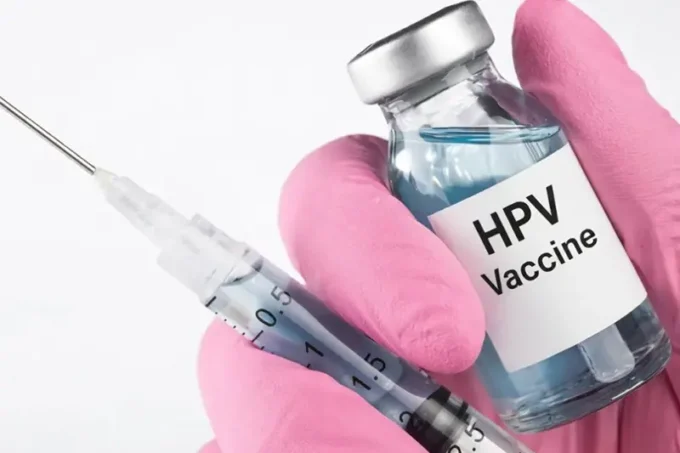
Cervical cancer is one of the most preventable cancers. Rolling out HPV vaccines for adolescent girls nationwide could significantly cut down future cases.
4. Pollution Control
Stronger policies to reduce air pollution, such as stricter emission controls, promoting clean energy, and discouraging biomass fuel use, are urgently needed.
5. Affordable Treatment Access
Cancer treatment should be made affordable through government schemes, insurance expansion, and subsidies for essential medicines. Increasing the number of cancer care centers in smaller towns would also help.
India’s fight against cancer requires a multi-pronged approach—from prevention and early detection to affordable treatment and rehabilitation. As the cases continue to rise, particularly in cities like Hyderabad and Delhi and the Northeastern states, policymakers must act urgently to strengthen healthcare infrastructure and awareness campaigns.
Cancer may be a formidable challenge, but with the right investments in public health, preventive strategies, and access to care, India can curb this growing epidemic and protect millions of lives.












Leave a comment