

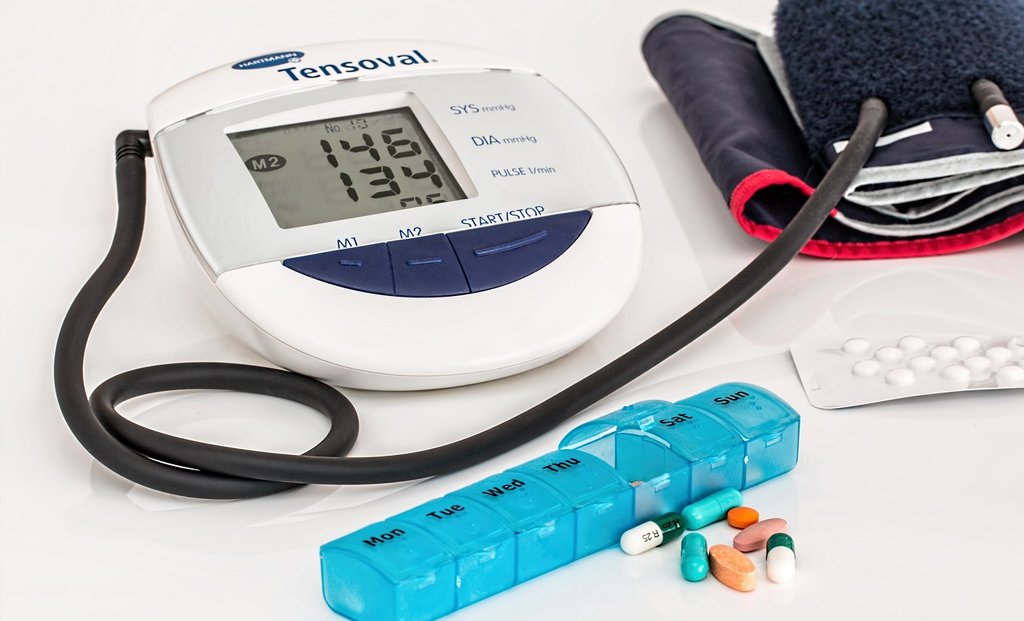
In the big picture of heart health, there’s a hidden hero called diastolic blood pressure. It’s like the quiet force on the walls of our arteries when our heart takes a break between beats. While everyone talks about systolic blood pressure, we shouldn’t overlook the importance of its counterpart – diastolic pressure.
The perfect blood pressure is 120 over 80. That means 120 is when your heart squeezes (known as systolic), and 80 is when your heart relaxes (known as diastolic). Diastolic blood pressure (DBP) is super important because it shows the pressure in your arteries when your heart is taking a break between beats. Systolic blood pressure (SBP) is when your heart is pushing blood into your arteries. So, both numbers help us know how healthy our blood pressure is.
New data shows that many people in India are dealing with high diastolic blood pressure. Stress, not moving enough, and the food we eat are causing issues for a lot of folks. As more people face health problems linked to how we live, understanding and dealing with diastolic blood pressure becomes super important.
Loads of things can make diastolic blood pressure go up – stress, too much intake of salt, being overweight, age, and other health issues like diabetes or kidney problems. Even lifestyle choices like smoking, too much drinking, and intake of certain medications can mess with diastolic blood pressure. Knowing these things is the first step to keeping it in check.
Experts say we should be active about keeping our diastolic blood pressure in a healthy range. Doing exercises like walking fast, biking, or swimming, for at least 150 minutes a week really helps. These activities don’t just keep our hearts fit; they also help control both systolic and diastolic blood pressure.
Eating in a heart-friendly way is a big deal for managing diastolic blood pressure. Choosing fruits, veggies, whole grains, lean proteins, and low-fat dairy is a smart move. And, cutting back on salt by avoiding processed foods and fast food is key to better heart health.
Checking in with healthcare pros regularly is a must. Keeping an eye on your blood pressure at home lets you take charge of your health. Understanding the trends in your blood pressure helps you and your doctor make smart decisions about your treatment.
In the midst of our busy lives, recognizing the importance of diastolic blood pressure is crucial for a healthy heart. By making simple changes in how we live, what we eat, and staying on top of health check-ups, we can do a lot to keep our diastolic blood pressure in check and protect our hearts.











Leave a comment