

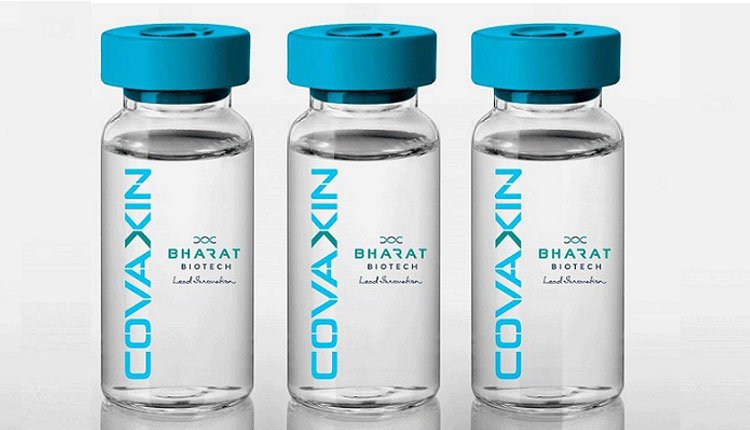
The Indian Council of Medical Research (ICMR) has strongly criticized a group of researchers from Banaras Hindu University (BHU) for wrongly associating the ICMR with a recent study on Covaxin’s effects. ICMR, the top body for biomedical research in India, called the study “poorly designed” and demanded the researchers remove any mention of ICMR and issue an apology. Failure to comply could lead to legal and administrative action.
ICMR’s Stand
Rajiv Bahl, the Director-General of ICMR, wrote a letter to the study’s authors and the journal editor where it was published. He stated that ICMR did not support the study financially or technically and was not informed about it beforehand. Bahl requested the retraction of the paper, saying it draws unsupported conclusions about vaccine safety.
About the Study
The study, conducted earlier this month by BHU researchers, followed up on Covaxin recipients after one year. It involved 635 adolescents and 291 adults who had received Covaxin, a vaccine made by Bharat Biotech. Participants were interviewed over the phone about any long-term adverse events (AESI) they experienced after vaccination. The study reported that about one-third of participants had issues such as viral infections, menstrual abnormalities, and Guillain-Barre Syndrome.
The study was published in the journal *Drug Safety* by Springer Nature. Its release coincided with AstraZeneca’s admission in a UK court that its Covid vaccine could cause rare side effects like blood clotting and low platelet counts.
ICMR’s Criticisms
ICMR highlighted several flaws in the BHU study. Bahl pointed out that contacting participants by phone one year after vaccination without checking clinical records or doing physical exams introduced a high risk of bias. The study also lacked a control group of unvaccinated individuals, making it impossible to compare the rate of adverse events between vaccinated and unvaccinated groups. Therefore, the study couldn’t conclusively link the reported events to the Covid-19 vaccination.
Additionally, the study did not provide the rate of observed events in the general population, making it difficult to determine any changes in the incidence of these events post-vaccination.
BHU’s Response
BHU has acknowledged the issue. In a statement, the university said it is reviewing the study conducted by members of its Institute of Medical Sciences. BHU mentioned that the individuals named in the ICMR letter have responded to ICMR’s concerns. The university also expressed its commitment to strengthening and improving its research practices.
Bharat Biotech’s Take
Bharat Biotech, the manufacturer of Covaxin, defended the vaccine’s safety. The company stated that Covaxin has an excellent safety record supported by several studies published in peer-reviewed journals. Bharat Biotech also criticized the BHU study’s methodology, noting several lapses. They explained that a proper safety study should include multiple data points to avoid bias. For example, it should consider the participants’ health before the study, compare vaccinated and unvaccinated subjects, and include those who received other vaccines. Bharat Biotech emphasized that all study participants should be followed throughout the study, not just a subset.
The controversy highlights the importance of rigorous research design and proper acknowledgment of support in scientific studies. ICMR’s strong reaction underscores the need for transparency and accuracy in research, especially when it concerns public health and vaccine safety. BHU and Bharat Biotech’s responses indicate ongoing efforts to address the issues and reinforce the credibility of scientific research in India.














Leave a comment