

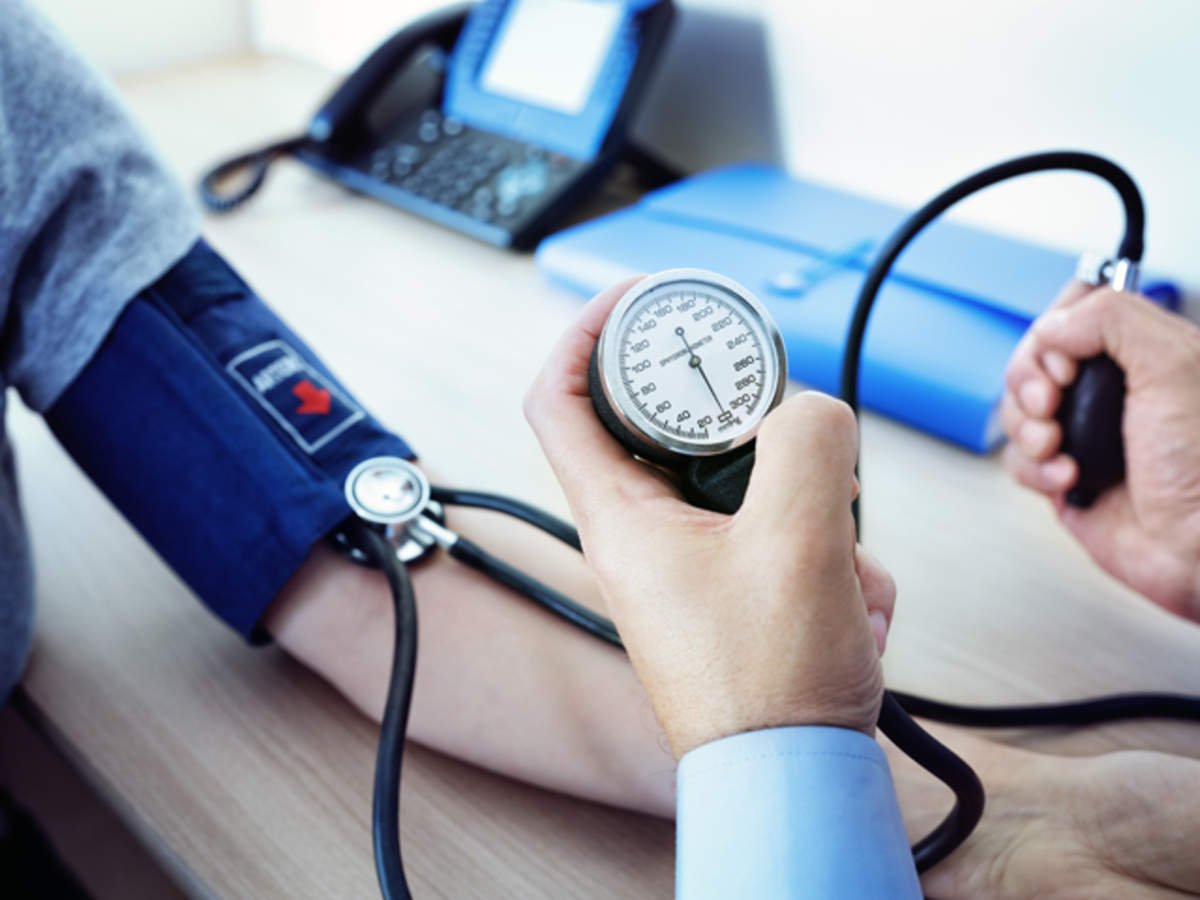
New Delhi, 20 July 2025: Hypertension, or high blood pressure, during pregnancy is a common yet potentially dangerous condition that can affect both the mother and the unborn baby. While pregnancy is often seen as a time of joy and anticipation, it also brings several physiological changes in a woman’s body. Among these, increased blood pressure can become a silent but serious health concern. High blood pressure during pregnancy can lead to complications like preeclampsia, preterm delivery, and even organ damage in the mother. It’s crucial for expecting mothers to understand how hypertension manifests during pregnancy, how it can impact health, and what preventive steps can be taken to reduce risks.
Types of Hypertension in Pregnancy
There are different forms of hypertension that can occur during pregnancy. The most common types include chronic hypertension, gestational hypertension, and preeclampsia. Chronic hypertension refers to high blood pressure that was present before pregnancy or that occurs before the 20th week of gestation. Gestational hypertension, on the other hand, typically develops after 20 weeks of pregnancy and usually goes away after delivery. Preeclampsia is a more serious condition that combines high blood pressure with signs of damage to another organ system, most often the liver and kidneys. It can progress rapidly and become life-threatening if not monitored and treated appropriately. Understanding these types can help women and their healthcare providers track symptoms more efficiently and intervene at the right time.
How Hypertension Affects the Mother
For the pregnant woman, hypertension can bring a range of health issues. Uncontrolled high blood pressure can reduce the flow of blood to the placenta, which in turn limits the supply of oxygen and nutrients to the baby. It can also cause damage to the mother’s organs, particularly the kidneys and liver. In severe cases, it may lead to placental abruption, a serious condition where the placenta detaches from the inner wall of the uterus before delivery. This can cause heavy bleeding and endanger both mother and baby. Another complication is the development of HELLP syndrome, which stands for hemolysis, elevated liver enzymes, and low platelet count—a rare but life-threatening condition. Even after delivery, women with pregnancy-induced hypertension may remain at increased risk of chronic high blood pressure and cardiovascular disease later in life.
Impact on the Unborn Baby
High blood pressure during pregnancy doesn’t just affect the mother; it can also have significant consequences for the unborn child. Due to impaired blood flow to the placenta, the baby may suffer from intrauterine growth restriction (IUGR), meaning the baby does not grow at the expected rate inside the womb. This can lead to low birth weight and other complications. Babies born to mothers with hypertension are also at higher risk of being delivered prematurely, which increases the likelihood of respiratory problems, feeding issues, and developmental delays. In severe cases, high blood pressure in the mother can lead to stillbirth. Thus, managing maternal hypertension is not just about protecting the mother’s health—it is also essential for ensuring a safe and healthy outcome for the baby.
Warning Signs and Symptoms to Watch
While high blood pressure can often be asymptomatic, especially in its early stages, there are warning signs that pregnant women should never ignore. These include severe headaches, changes in vision such as blurriness or seeing spots, swelling in the hands and face, sudden weight gain, pain in the upper abdomen, and difficulty breathing. Any of these symptoms may signal the development of preeclampsia or another serious complication. Regular prenatal check-ups are essential for monitoring blood pressure and catching any concerning trends early. Self-monitoring at home using a digital blood pressure monitor is also a wise step, particularly for women who have a history of hypertension or are at high risk due to factors like obesity, diabetes, or family history.
Who Is at Risk?
Certain factors increase a woman’s risk of developing high blood pressure during pregnancy. These include first-time pregnancies, age over 35, multiple gestation (such as twins or triplets), existing medical conditions like diabetes or kidney disease, and lifestyle factors such as being overweight or leading a sedentary lifestyle. Women with a history of hypertension in previous pregnancies are also at a higher risk. Identifying these risk factors early allows for closer monitoring and proactive care to prevent complications. Lifestyle changes, proper prenatal care, and adherence to prescribed medication when necessary can help mitigate risks significantly.
Prevention and Management Strategies
Managing high blood pressure during pregnancy requires a combination of medical supervision and healthy lifestyle choices. Eating a balanced diet rich in fruits, vegetables, whole grains, and lean proteins while reducing salt intake can help control blood pressure levels. Regular physical activity, such as walking or prenatal yoga, also plays a crucial role in maintaining cardiovascular health. Stress management techniques like meditation and breathing exercises can further help in keeping blood pressure under control. In some cases, doctors may prescribe antihypertensive medications that are safe during pregnancy. It is essential to take these as directed and not stop them without medical advice. Most importantly, regular prenatal visits allow doctors to monitor blood pressure, check for protein in the urine, and perform other tests to ensure both mother and baby are doing well.
Hypertension during pregnancy is a condition that requires serious attention and ongoing management. While it may not always be preventable, understanding its risks, recognizing warning signs, and following preventive strategies can significantly improve outcomes for both mother and child. With the right medical guidance, lifestyle modifications, and regular monitoring, women can navigate pregnancy safely—even with high blood pressure. Early diagnosis and consistent care remain the most powerful tools in reducing the potential complications associated with hypertensive disorders of pregnancy.










Leave a comment