

When it comes to taking care of your heart, the food you eat plays a critical role. But navigating the grocery aisles can be confusing, especially with so many options claiming to be “healthy” or “heart-friendly.” The secret to making the best choices lies in understanding food labels. Here’s a simple guide to help you decode these labels and make informed decisions for your heart health.
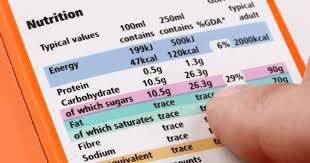
Understanding the Nutrition Facts Panel
The first step in reading food labels is to get familiar with the Nutrition Facts panel, usually found on the back of food packaging. This panel provides a snapshot of the nutrients in one serving of the food. Here’s what you should pay attention to:
Serving Size: This is the amount of food the nutritional information refers to. Always check the serving size first because the nutrients listed are based on this amount. If you eat more than the serving size, you’ll need to adjust the numbers accordingly.
Calories: This tells you how much energy you get from one serving. For heart health, managing calorie intake is important to maintain a healthy weight. Choose foods that provide nutrients without excess calories.
Total Fat: Look for foods that are low in saturated fats and trans fats. These types of fats can raise your cholesterol levels and increase your risk of heart disease. Aim for products that contain healthy fats, such as unsaturated fats found in nuts, seeds, and fish.
The Importance of Cholesterol and Sodium
Two key nutrients to watch out for on food labels are cholesterol and sodium, both of which can impact heart health.
Cholesterol: High levels of dietary cholesterol can contribute to the buildup of plaque in your arteries, increasing the risk of heart disease. Look for foods that are low in cholesterol or, even better, cholesterol-free.
Sodium: Too much sodium can lead to high blood pressure, a major risk factor for heart disease. The American Heart Association recommends limiting sodium intake to no more than 2,300 milligrams per day, with an ideal limit of 1,500 milligrams. Check food labels for sodium content, especially in processed foods, canned goods, and snacks.
Fiber and Whole Grains: Heart-Healthy Heroes
Fiber is a heart-healthy nutrient that helps lower cholesterol levels and improve digestion. When reading food labels, look for products that are high in dietary fiber, such as whole grains, fruits, and vegetables.
Whole Grains: Whole grains like oats, brown rice, and whole wheat are rich in fiber and other nutrients that support heart health. Choose foods that list whole grains as the first ingredient and contain at least 3 grams of fiber per serving.
Watch Out for Added Sugars
Added sugars are common in many processed foods and can contribute to weight gain, which is a risk factor for heart disease. When reading labels, look for the “Added Sugars” section and aim to minimize your intake. The American Heart Association recommends that women limit added sugars to no more than 25 grams per day, and men to no more than 36 grams.
Reading food labels might seem overwhelming at first, but with practice, it becomes easier to make heart-healthy choices. By focusing on the Nutrition Facts panel, keeping an eye on cholesterol and sodium levels, choosing high-fiber foods, and avoiding added sugars, you can take control of your diet and protect your heart. Remember, small changes in your food choices can add up to big benefits for your heart health.















Leave a comment