

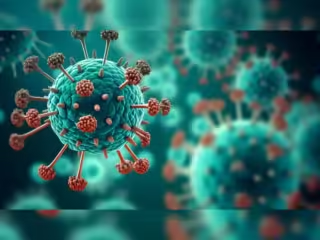
New Delhi, 10 January 2025: Human metapneumovirus (HMPV) is a respiratory virus that belongs to the same family as the respiratory syncytial virus (RSV). First identified in the late 20th century, it has since been recognized as a significant cause of respiratory infections, particularly in young children, older adults, and individuals with weakened immune systems. While HMPV infections are generally mild in healthy individuals, it can lead to severe complications in vulnerable groups. Understanding the symptoms, risks, and preventive measures is crucial for managing and reducing the spread of HMPV.
Symptoms of HMPV
The symptoms of an HMPV infection are similar to those of the common cold or other respiratory viruses, and they typically appear within 3 to 5 days after exposure. In most cases, the symptoms are mild and self-limiting. Common symptoms include:
Runny nose
Cough
Fever
Sore throat
Fatigue
Wheezing or shortness of breath
In severe cases, particularly in infants, elderly individuals, or those with pre-existing respiratory conditions, the virus can lead to pneumonia, bronchiolitis (inflammation of the small airways in the lungs), or other complications requiring hospitalization. Symptoms like severe difficulty breathing, persistent high fever, or chest pain should prompt immediate medical attention.
Risk Factors
While anyone can contract HMPV, certain groups are more at risk of developing severe symptoms. These include:
Infants and young children: Especially those under the age of 5, who may not have fully developed immune systems.
Older adults: Particularly those over 65 years old, whose immune systems may weaken with age.
People with compromised immune systems: Such as those undergoing cancer treatments, organ transplants, or those living with HIV/AIDS.
Individuals with chronic respiratory conditions: People with asthma, chronic obstructive pulmonary disease (COPD), or other lung diseases may experience more severe symptoms.
How HMPV Spreads
HMPV spreads primarily through respiratory droplets that are released when an infected person coughs, sneezes, or talks. It can also spread through contact with contaminated surfaces. Close contact with an infected person, such as hugging, kissing, or sharing utensils, increases the likelihood of transmission. Additionally, the virus can survive on surfaces for several hours, further contributing to its spread.
Preventive Measures
There is no specific antiviral treatment for HMPV, so the focus is on prevention and symptom management. Here are some key preventive measures to reduce the risk of infection:
Hand hygiene: Regularly washing hands with soap and water for at least 20 seconds or using alcohol-based hand sanitizers can significantly reduce the spread of the virus.
Avoid close contact: People showing symptoms of illness should stay home and avoid contact with others to prevent spreading the virus. This is especially important for high-risk individuals.
Cover coughs and sneezes: Using a tissue or the elbow to cover the mouth and nose can prevent respiratory droplets from spreading in the environment.
Clean surfaces: Frequently disinfecting high-touch surfaces, such as doorknobs, countertops, and remote controls, helps to eliminate the virus from surfaces and reduce transmission risk.
Vaccines and treatments: While no vaccine is currently available for HMPV, research into vaccines and antiviral treatments is ongoing. In the meantime, seasonal flu and RSV vaccines may offer some indirect protection by boosting overall respiratory health.
Human metapneumovirus is a significant respiratory pathogen that affects people of all ages, particularly those in vulnerable groups. By understanding the symptoms, risk factors, and preventive measures, individuals can reduce the spread of HMPV and protect themselves and others from potentially serious complications. Taking simple steps such as hand hygiene, avoiding close contact with sick individuals, and cleaning surfaces can go a long way in preventing the transmission of this virus.












Leave a comment