

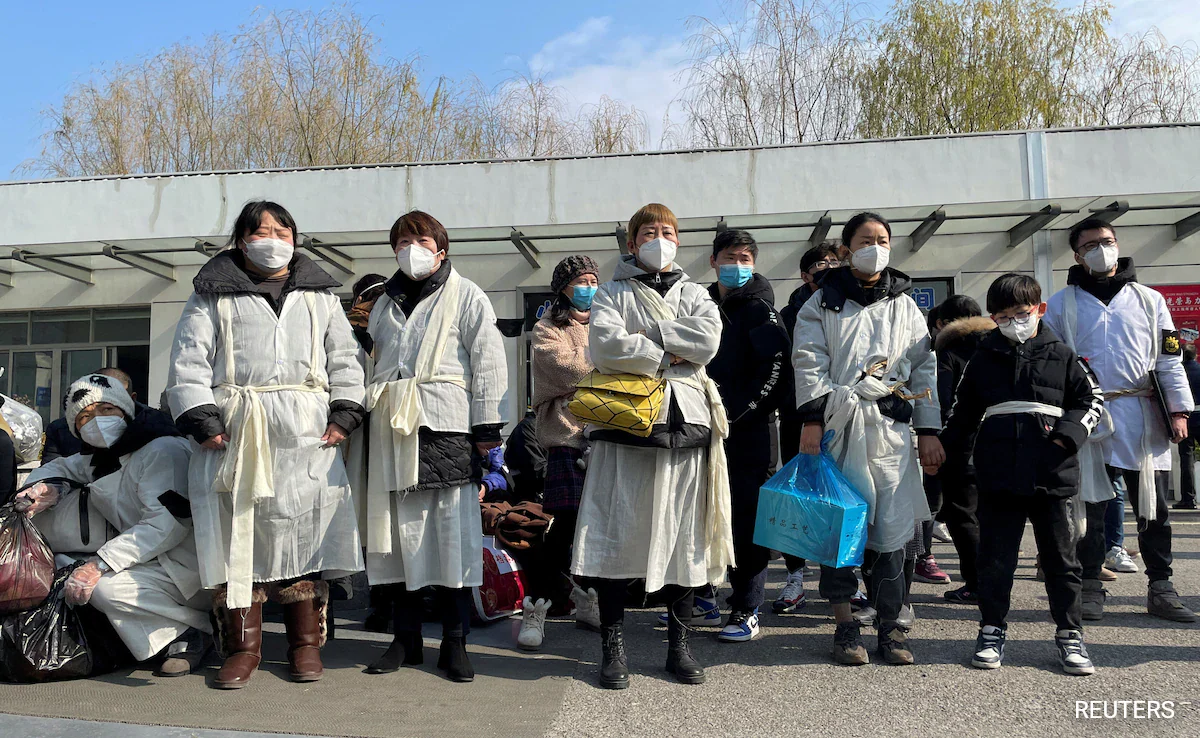
New Delhi, 07 January 2025: Amid concerns over the rising cases of Human Metapneumovirus (HMPV) in India, the Union Health Ministry has issued advisories to states to bolster preventive measures and public awareness campaigns. Authorities have also emphasized the need to enhance surveillance of Influenza-Like Illness (ILI) and Severe Acute Respiratory Infection (SARI) to track and manage the spread of this respiratory infection effectively.
HMPV: An Emerging Concern
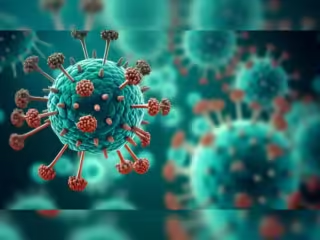
HMPV, a respiratory virus first identified in 2001, primarily affects the upper and lower respiratory tracts. Though not new, the virus has recently gained attention due to a surge in cases globally, including in India. Vulnerable groups such as children, the elderly, and those with compromised immune systems are particularly at risk.
The virus exhibits symptoms similar to other respiratory infections, such as fever, cough, nasal congestion, and shortness of breath. Severe cases can lead to complications like pneumonia, especially in individuals with pre-existing health conditions.
Government’s Advisory to States
In a proactive move, the Health Ministry has advised states to:
Strengthen Public Awareness: Promote information about the virus, its symptoms, and preventive measures to minimize its spread.
Focus on ILI and SARI Surveillance: Ensure robust tracking systems are in place to identify and monitor cases that could indicate a broader outbreak.
Promote Preventive Measures: Encourage practices such as wearing masks, maintaining hand hygiene, and avoiding crowded places, particularly for those at higher risk.
Enhance Healthcare Readiness: Equip healthcare facilities with the necessary resources to manage potential surges in cases, including diagnostic tools and treatment protocols.
HMPV Outbreak Management
Raising awareness among the masses is a critical component of controlling the spread of HMPV. Many people may confuse its symptoms with common flu or cold, delaying timely medical intervention. The government has urged state health departments to disseminate information through various platforms, including social media, public service announcements, and community outreach programs.
Educational campaigns will focus on recognizing symptoms early, the importance of seeking medical care, and adhering to preventive measures.
Strengthening ILI and SARI Surveillance
ILI and SARI are key indicators used in public health to monitor respiratory infections. By focusing on these surveillance systems, states can better detect and respond to HMPV cases. The government has recommended enhanced reporting mechanisms at the district and state levels to ensure accurate data collection and timely response.
Healthcare professionals have been advised to remain vigilant, particularly when treating patients with severe respiratory symptoms that do not respond to typical treatments. Early detection through strengthened surveillance can help prevent widespread outbreaks.
HMPV Outbreak: Precautionary Measures for the Public
To minimize the risk of HMPV infection, individuals are advised to:
Practice Good Hygiene: Wash hands frequently with soap and water or use hand sanitizers.
Wear Masks: Especially in crowded places or while traveling.
Stay Home When Unwell: Avoid going out if experiencing respiratory symptoms to prevent spreading the infection to others.
Seek Timely Medical Advice: Consult a healthcare provider if symptoms worsen or persist.
Health Ministry’s Assurance
The Health Ministry has reassured the public that the situation is under control and that India is prepared to manage the rise in cases effectively. Adequate resources, including hospital beds, diagnostic tools, and treatment facilities, are being made available to states.
While the rise in HMPV cases is a matter of concern, authorities have stressed that adherence to preventive measures and timely reporting can significantly mitigate the impact of the virus.
As India braces for the potential spread of HMPV, a collective effort involving government authorities, healthcare professionals, and the public is essential. By enhancing awareness, strengthening surveillance, and promoting preventive measures, the country can effectively manage this emerging health challenge.











Leave a comment