


New Delhi, 16 December 2024: The global health community is raising alarms over the emergence and rapid spread of a highly drug-resistant cholera strain. This new variant has shown resistance to multiple antibiotics, complicating treatment efforts and increasing the risk of severe outbreaks in vulnerable regions. Scientists are closely monitoring the strain, emphasizing the urgent need for improved sanitation, vaccination programs, and more research into alternative treatment options.
What Is Cholera, and Why Is This Strain Concerning?
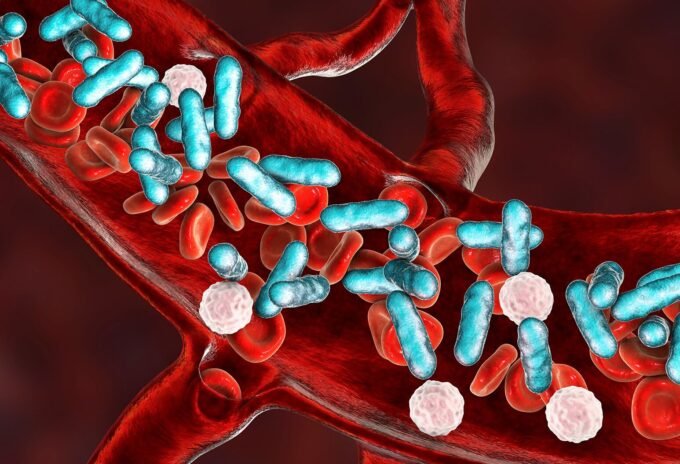
Cholera, caused by the bacterium Vibrio cholerae, leads to severe diarrhea and dehydration, primarily spreading through contaminated water and food. While cholera outbreaks are often treatable with antibiotics and rehydration therapy, this new drug-resistant strain poses significant challenges.
Preliminary studies suggest that the strain has mutations allowing it to evade commonly used antibiotics, such as tetracycline and ciprofloxacin. This resistance increases the risk of prolonged outbreaks, as infected individuals cannot recover quickly, and transmission rates remain high in areas with poor sanitation.
Where Is the Strain Spreading?
The strain has been identified in several countries across South Asia and parts of Africa, regions historically prone to cholera outbreaks due to limited access to clean water and healthcare facilities. Experts warn that densely populated urban centers and refugee camps are particularly vulnerable to the rapid spread of this strain.
Health organizations are concerned that the strain could spread globally if not contained. The World Health Organization (WHO) has called for increased surveillance and prompt reporting of cases to prevent further international transmission.
Scientific Insights: What Makes This Strain Dangerous?
Researchers studying the strain have identified specific genetic markers responsible for its resistance. According to microbiologist Dr. Anjali Reddy, “These mutations not only make the bacteria immune to antibiotics but may also enhance its ability to survive in harsh conditions, making it more resilient in the environment.”
Additionally, there is concern that this strain could render current vaccines less effective, as its altered structure may evade the immune responses triggered by existing cholera immunizations.
Increased Mortality Rates: Without effective antibiotics, cholera cases can quickly become life-threatening, especially in malnourished or immunocompromised individuals.
Economic Strain: Prolonged outbreaks could overwhelm healthcare systems and require significant resources for containment and treatment.
How Can Cholera Be Controlled Amid Resistance?
Public health experts stress the importance of preventative measures in controlling the spread of this strain:
Improved Sanitation: Access to clean water and proper waste management are critical in reducing cholera transmission.
Vaccination Campaigns: While existing vaccines may be less effective, they still provide some level of protection and can reduce outbreak severity.
Alternative Treatments: Scientists are exploring non-antibiotic therapies, such as phage therapy and enhanced rehydration solutions, to manage drug-resistant cholera cases.
Global health organizations, including WHO and UNICEF, are collaborating with affected countries to strengthen cholera response frameworks. Emergency stockpiles of vaccines and rehydration kits are being deployed to areas with active outbreaks, while local governments are being urged to prioritize investments in water infrastructure.
Dr. Maria Collins, an infectious disease specialist, emphasizes the need for international solidarity, stating, “This is not a localized issue; the spread of drug-resistant cholera could have global repercussions if not addressed swiftly.”
The emergence of this drug-resistant strain highlights the pressing need for continued research into antibiotic resistance. Scientists are calling for accelerated development of new antibiotics and alternative treatments that can address resistant pathogens. Collaborative efforts between governments, pharmaceutical companies, and non-profit organizations are crucial to staying ahead of such public health threats.
The rise of a highly drug-resistant cholera strain serves as a stark reminder of the challenges posed by antibiotic resistance. While scientists and health officials work tirelessly to understand and contain this threat, the global community must invest in long-term solutions, including improved sanitation, enhanced vaccines, and innovative treatments. Proactive measures and international cooperation are essential to prevent this strain from becoming a widespread and uncontrollable public health crisis.














Leave a comment