

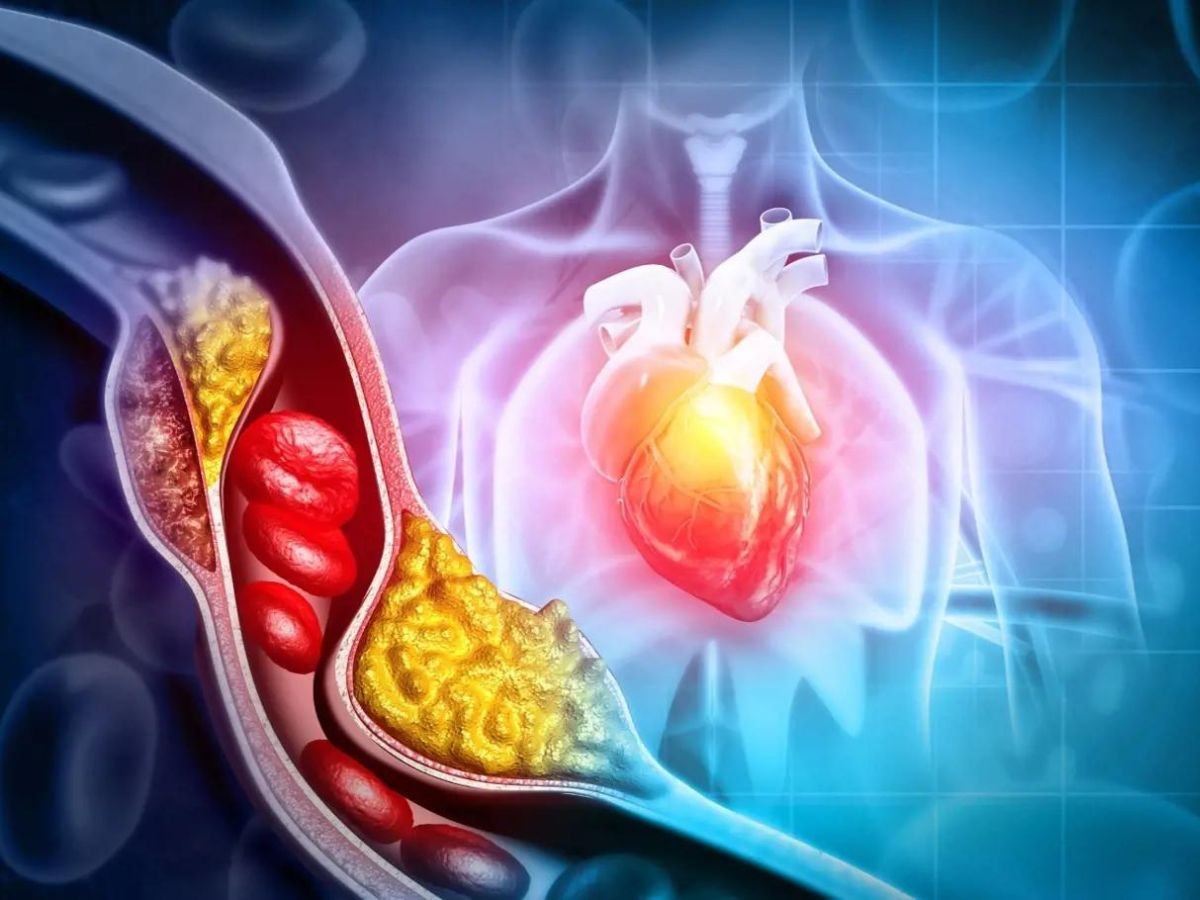
New Delhi, 30 November, 2025: As cardiovascular diseases continue to remain one of the leading causes of death globally, experts are once again warning about one of the most silent and underestimated risk factors — high cholesterol. While most people associate cholesterol only with diet or age, cardiologists emphasize that its impact on heart health runs much deeper, often building up silently over years before causing a sudden, life-threatening heart attack.
Understanding Cholesterol: The Good and the Bad
Cholesterol is a fatty substance essential for several vital functions in the body — it helps build cell membranes, produces hormones, and aids in vitamin D synthesis. However, when cholesterol levels become unbalanced, particularly with higher levels of “bad” cholesterol, it can cause severe harm to the heart and blood vessels.
There are two main types of cholesterol:
- Low-Density Lipoprotein (LDL): Often referred to as “bad cholesterol,” LDL contributes to the buildup of fatty deposits (plaques) inside arteries.
- High-Density Lipoprotein (HDL): Known as “good cholesterol,” HDL helps remove excess cholesterol from the bloodstream, carrying it back to the liver for disposal.
When LDL levels rise and HDL levels drop, the body experiences a dangerous imbalance that can slowly damage arteries, leading to atherosclerosis — the underlying cause of most heart attacks and strokes.
How High Cholesterol Leads to a Heart Attack
A heart attack, or myocardial infarction, occurs when blood flow to part of the heart is suddenly blocked, usually due to a clot in the arteries supplying the heart muscle. High cholesterol plays a major role in this process.
- Plaque Formation: Excess LDL cholesterol circulates in the bloodstream and gradually deposits along artery walls, forming sticky plaques.
- Artery Narrowing: Over time, these plaques harden and narrow the arteries, restricting blood flow.
- Plaque Rupture: When a plaque ruptures, it triggers the formation of a blood clot, completely blocking blood flow to a section of the heart.
- Heart Attack: The deprived heart tissue begins to die due to a lack of oxygen, resulting in a heart attack.
This process develops silently over years — often without noticeable symptoms until a major cardiac event occurs.
The Silent Danger: Why High Cholesterol Often Goes Undetected
One of the greatest dangers of high cholesterol is its absence of symptoms. Unlike high blood pressure or diabetes, which may produce measurable signs, high cholesterol causes no pain, fatigue, or discomfort. It can quietly progress for decades before resulting in sudden cardiac arrest or stroke.
Regular blood tests are the only reliable way to detect abnormal cholesterol levels. Doctors recommend that all adults over the age of 30 get their lipid profile checked at least once every year, or more frequently if they have risk factors such as obesity, smoking, or a family history of heart disease.
The Hidden Link Between Lifestyle and Cholesterol
Cardiologists stress that rising cholesterol levels are not just hereditary — they are closely tied to lifestyle. Urban living, sedentary habits, unhealthy eating, and stress are driving a surge in cholesterol-related heart disease, especially among younger adults.
Factors contributing to high cholesterol include:
- Diets high in saturated and trans fats (fried foods, processed snacks, red meat, butter).
- Lack of regular physical activity.
- Obesity and abdominal fat accumulation.
- Smoking and alcohol consumption.
- Chronic stress and poor sleep patterns.
- Hormonal changes, particularly after menopause in women.
Who Is Most at Risk?
While high cholesterol can affect anyone, certain individuals are at higher risk:
- People with a family history of heart disease or high cholesterol.
- Diabetics and those with metabolic syndrome.
- Smokers and individuals with high blood pressure.
- Sedentary workers and those consuming high-fat diets.
- Men over 40 and women post-menopause.
Recognising Early Warning Signs
Although high cholesterol itself has no symptoms, its effects can manifest through warning signs of heart disease:
- Chest discomfort or pain during exertion (angina).
- Shortness of breath, especially while climbing stairs or walking briskly.
- Sudden dizziness, fatigue, or heart palpitations.
- Numbness or weakness in limbs.
If these symptoms appear, immediate medical evaluation is necessary. Early diagnosis can prevent a fatal event.
How to Lower Cholesterol and Protect Your Heart
Managing cholesterol is one of the most effective ways to prevent heart attacks. Cardiologists recommend a combination of lifestyle modifications and, in some cases, medication.
1. Adopt a Heart-Healthy Diet
Focus on foods that naturally lower LDL and boost HDL:
- Fruits, vegetables, and whole grains.
- Legumes, nuts, and seeds.
- Olive oil and avocado as healthy fat sources.
- Oats, barley, and high-fiber foods that help remove cholesterol.
Avoid trans fats, deep-fried foods, sugary drinks, and red meat.
2. Exercise Regularly
Physical activity increases good cholesterol and helps maintain a healthy weight. Aim for at least 150 minutes of moderate-intensity exercise (like brisk walking, cycling, or swimming) each week.
3. Quit Smoking and Limit Alcohol
Smoking damages blood vessel walls and lowers HDL cholesterol. Alcohol should be consumed in moderation, if at all, as excessive intake increases triglycerides.
4. Maintain a Healthy Weight
Even a small reduction in body weight — 5% to 10% — can significantly improve cholesterol levels and heart health.
5. Manage Stress
Chronic stress raises cortisol, which can indirectly increase cholesterol. Techniques such as yoga, deep breathing, meditation, and regular sleep can help manage stress effectively.
6. Regular Health Check-ups
Routine screening for blood pressure, blood sugar, and lipid profile helps track heart health and allows early intervention.
Medical Treatments for High Cholesterol
For individuals with persistently high cholesterol or a strong family history of heart disease, doctors may recommend medications such as statins, ezetimibe, or PCSK9 inhibitors. These drugs reduce cholesterol production in the liver and prevent plaque buildup.
However, experts emphasize that medication must complement, not replace, a healthy lifestyle. Even patients on cholesterol-lowering drugs must adhere to dietary and exercise recommendations to sustain long-term benefits.
Cholesterol Myths and Facts
Myth 1: Only overweight people have high cholesterol.
Fact: Thin individuals can also have high LDL due to genetics or poor diet.
Myth 2: Avoiding all fats lowers cholesterol.
Fact: The body needs healthy fats. The goal is to replace saturated and trans fats with unsaturated ones.
Myth 3: Young people don’t need to worry about cholesterol.
Fact: Cholesterol levels can rise even in the 20s due to poor lifestyle habits.
Myth 4: Medication alone is enough.
Fact: Without lifestyle changes, the benefits of medication are limited.
Preventing Heart Attacks: A Lifelong Commitment
Heart disease prevention starts long before symptoms appear. Maintaining optimal cholesterol levels, staying active, and eating a balanced diet can significantly reduce risk.
Experts also highlight the importance of early detection. Regular lipid testing, ECGs, and cardiac evaluations are essential for individuals with risk factors. Managing cholesterol should not be seen as a temporary goal but a lifelong commitment to heart health.
The Bottom Line
High cholesterol remains a silent but deadly contributor to heart attacks and strokes. It quietly damages arteries, accelerates plaque formation, and increases the likelihood of a sudden cardiac event.
By making informed lifestyle choices — eating healthy, exercising regularly, managing stress, and undergoing routine check-ups — individuals can take control of their cholesterol levels and safeguard their heart health.
The message from cardiologists is clear: cholesterol control is heart protection. Ignoring it may cost not just years off your life, but the quality of life itself.













Leave a comment